A Natural Solution for California's Herds: African Catfish Peptides

California's cattle producers and agricultural communities are all too familiar with the rising challenge of antibiotic resistance, making common bacterial infections harder to treat in livestock. But imagine a future where we could tackle these infections with a natural, powerful alternative. Our research points to just that: antimicrobial peptides (AMPs) found in African catfish.

We're really excited about these peptides because African catfish thrive in pathogen-rich freshwater, naturally producing these robust immune compounds in their skin mucus as a defense. This natural origin makes them highly appealing alternatives to synthetic drugs.

Predicted Safety and Potent Action

One of the most compelling aspects of these AMPs is their predicted safety for mammals. Our initial computer analyses suggest that various catfish AMPs are generally recognized as safe (GRAS). We predict they'll be absorbed in the human intestine without causing liver, brain, or heart toxicity. Furthermore, lab tests on a promising peptide, NACAP-II, confirmed it was non-hemolytic, meaning it didn't damage rabbit red blood cells—a strong indicator of its potential safety for mammalian cells.

Beyond safety, these peptides demonstrate effectiveness against problematic bacteria. One study revealed NACAP-II's strong activity against Extended-Spectrum Beta-Lactamase (ESBL)-producing Escherichia coli—a critical concern for both animal and human health due to its resistance to many common antibiotics. Another peptide, ACAP-IV, also showed antibacterial activity against E. coli and Staphylococcus aureus. We believe these AMPs work by directly disrupting bacterial cell membranes, a mechanism that makes it harder for bacteria to develop resistance compared to how they resist traditional antibiotics.
Primary Image
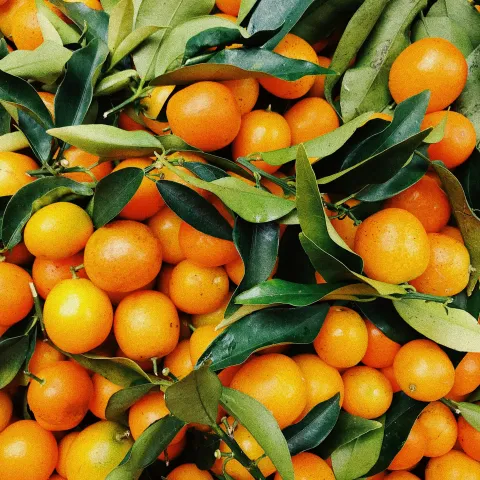
Many orange fruits and leaves photographed from above.
Pests in the Urban Landscape: Article

Don't Give Pests This Holiday Season

December 16, 2025
By Lindsey Hack
Winter is peak citrus season, and a time when many people gift their home-grown fruit to friends and loved ones. This holiday season, we would like to remind everyone that harmful invasive pests can move to new areas on citrus fruit. There are several active quarantines in California aimed at slowing the…
View Article
UC Environmental Stewards: Event

California Naturalist Course with Santa Monica Mountains Fund

Event Date
Feb 19, 2026 - Apr 18, 2026

SAMO Fund is excited to be partnering with UC Environmental Stewards to bring you the California Naturalist course.This certifiable and credited course will allow interested individuals to participate in service learning and stewardship of natural resources in the Santa Monica Mountains. Lead by NPS Rangers,…
UC Environmental Stewards
View Event
UC Master Food Preservers of Humboldt & Del Norte Counties: Page

2026 Master Food Preserver Training

 The UC Master Food Preserver Program is open to individuals seeking to enhance community knowledge of home food preservation methods. Applicants for the UC Master Food Preserver Program must be willing to share the knowledge and skills they have learned from certification training through local…
View Page
Primary Image
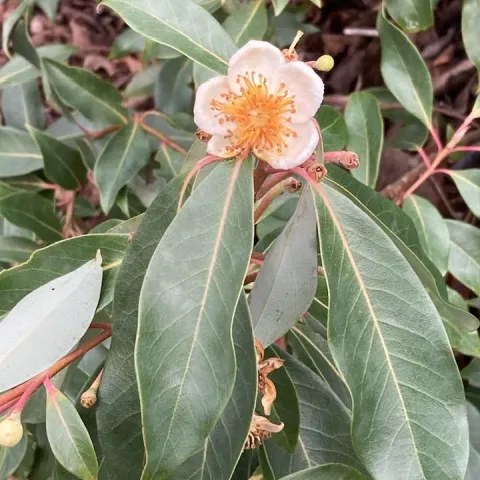
Peach flower and relaxing leaves of a rhododendrum.
The Coastal Gardener : Article

Winter in the Moss Family Temperate Woodland Garden at Humboldt Botanical Garden

December 16, 2025
By June Walsh
 By June WalshWinter in the Moss Family Temperate Woodland Garden at Humboldt Botanical Garden brings new colors and blooms after the exuberance of Spring and Summer. The deciduous trees, magnolias, maples, dogwoods, red bud, Styrax and Stewartia colo rtheir leaves yellows, browns, and brilliant…
View Article
UC Cooperative Extension Marin County: Page

Livestock and Natural Resources

Drought Management strategies for livestock & range management. Value Chain Analysis - These economic impact analyses provided estimates of how each agricultural business, dairy, grass-fed beef and grain operations, affect both job creation and generate business and tax revenue in the North Bay.
View Page
Event Primary Image
backyard composting
UC Marin Master Gardeners: Event

Backyard Composting

Event Date
Mar 11, 2026

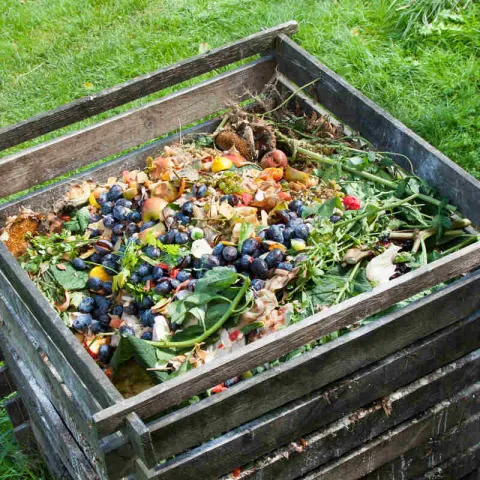
Program: Composting, the mystery of gardening! Join us and learn how to compost using kitchen and table scraps, dry and moist plant material to create nutrient-rich organic matter. Compost will improve your soil and plants, while at the same time reducing the waste in our landfills.Speaker: Joan Irwin has…
UC Marin Master Gardeners
View Event