A Natural Solution for California's Herds: African Catfish Peptides

California's cattle producers and agricultural communities are all too familiar with the rising challenge of antibiotic resistance, making common bacterial infections harder to treat in livestock. But imagine a future where we could tackle these infections with a natural, powerful alternative. Our research points to just that: antimicrobial peptides (AMPs) found in African catfish.

We're really excited about these peptides because African catfish thrive in pathogen-rich freshwater, naturally producing these robust immune compounds in their skin mucus as a defense. This natural origin makes them highly appealing alternatives to synthetic drugs.

Predicted Safety and Potent Action

One of the most compelling aspects of these AMPs is their predicted safety for mammals. Our initial computer analyses suggest that various catfish AMPs are generally recognized as safe (GRAS). We predict they'll be absorbed in the human intestine without causing liver, brain, or heart toxicity. Furthermore, lab tests on a promising peptide, NACAP-II, confirmed it was non-hemolytic, meaning it didn't damage rabbit red blood cells—a strong indicator of its potential safety for mammalian cells.

Beyond safety, these peptides demonstrate effectiveness against problematic bacteria. One study revealed NACAP-II's strong activity against Extended-Spectrum Beta-Lactamase (ESBL)-producing Escherichia coli—a critical concern for both animal and human health due to its resistance to many common antibiotics. Another peptide, ACAP-IV, also showed antibacterial activity against E. coli and Staphylococcus aureus. We believe these AMPs work by directly disrupting bacterial cell membranes, a mechanism that makes it harder for bacteria to develop resistance compared to how they resist traditional antibiotics.
Primary Image
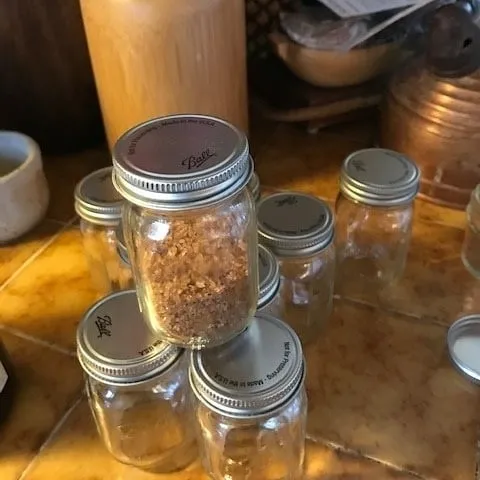
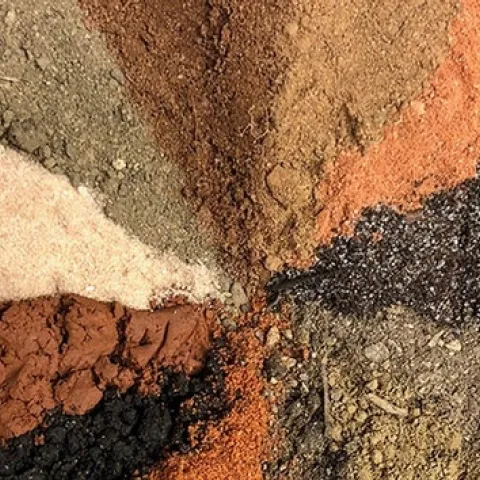
Finished Salt in Storage Containers
Master Food Preserver SLO/SB Counties: Article

Cabernet and Salt-A Perfect Match

September 7, 2020
Photo credit: Debbie George What to do with all those bottles of wine? Well the obvious is to pour a glass and enjoy! The other would be to use in cooking a fabulous coq au vin or create a rich burgundy stew. But I digress...
View Article
Primary Image
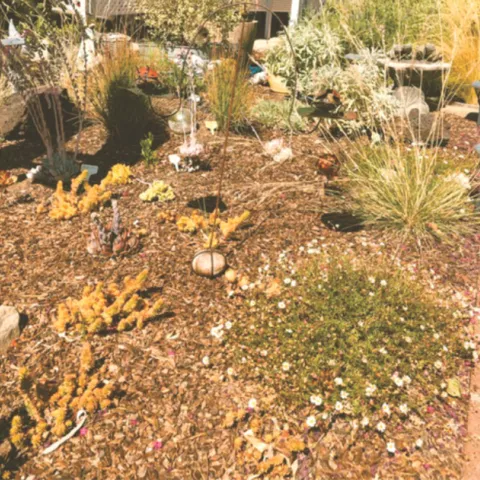
dry garden
Spill the Beans: Article

Shelter at Home Garden Projects

September 7, 2020
by Barbara Campbell Like many gardeners, UC Master and otherwise, I've been busy in my yard these last five months. In fact, I started last November, when I completely cleaned out a 100 foot square patch in my front yard for a California native garden.
View Article
Primary Image
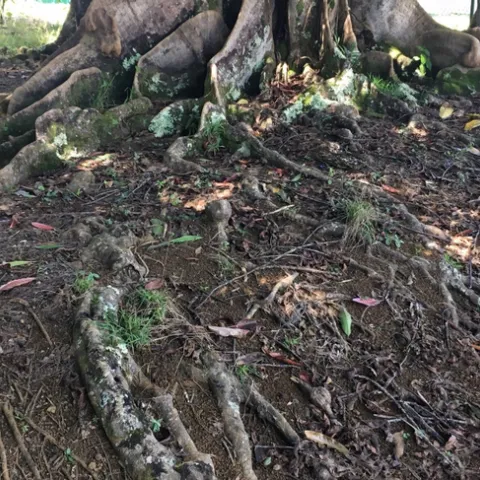
Figure 2
UC Weed Science (weed control, management, ecology, and minutia): Article

Removing avocado suckers with glyphosate

September 6, 2020
By Ben A Faber, Brad Hanson
From the Topics in Subtropics newsletter (8/26/2020) *********************** This is not good. You find an avocado tree with sun blotch or it is time to thin the orchard and you remove the offending tree.
View Article
Primary Image
Sunflower 1 (yoel-j-gonzalez-unsplash)
Napa Master Gardener Column: Article

Sunflowers.

September 4, 2020
By Julie Pramuk, UC Master Gardener of Napa County At this time of year, you can spot sunflowers growing in many gardens and along roadsides in Napa Valley. Sunflower stems can grow nine feet tall, producing large. stunning flowers.
View Article
Primary Image
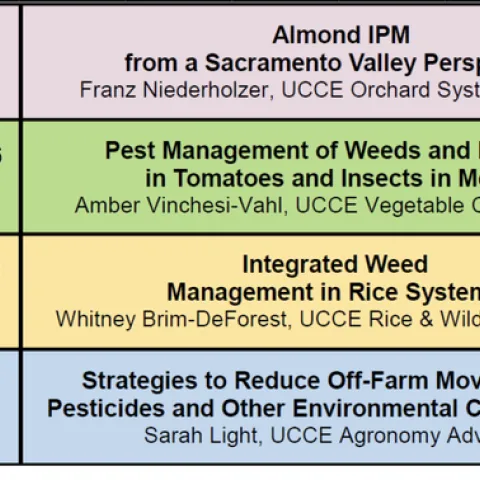
Seminars
Sacramento Valley Field Crops: Article

UCCE Sutter-Yuba-Colusa Continuing Education Seminars

September 4, 2020
By Sarah E Light
University of California Cooperative Extension Sutter-Yuba-Colusa is holding a series of webinars in September and October to provide research updates on some of the major crops in the Sacramento Valley.
View Article
Primary Image
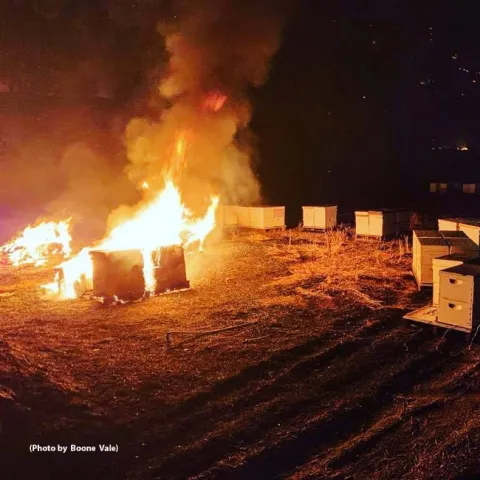
Boone Vale, a volunteer with the Bodega Bay Fire Department, took this heartbreaking image of a fire reaching the Pope Valley hives of Caroline Yelle, owner of Pope Valley Queens. Yelle credits him for saving some of her hives. (Photo by Boone Vale, used with permission)
Bug Squad: Article

The Bee People, The Bees, and The Fires

September 4, 2020
By Kathy Keatley Garvey
The wildfires that raged through California, crippling and/or destroying beekeepers' homes and their livelihoods are heartbreaking. One victim, Caroline Yelle, owner of Pope Canyon Queens (PCQ), located on 8307 Quail Canyon Road, Vacaville, lost 500 hives.
View Article
Primary Image
photo by Erin Mahaney
Under the Solano Sun: Article

My Nemesis

September 4, 2020
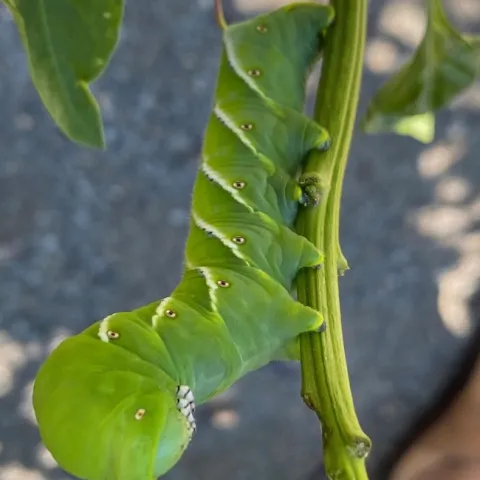
My nemesisManduca sexta. Sorry to say, this blog is about 3 weeks late.
View Article
Kern County: Article

Cover Crop Webinar Series

September 4, 2020
First Webinar is September 9, 2020 at 3:00pm - 4:00pm See more on upcoming webinars on cover cropping and how to register...
View Article