A Natural Solution for California's Herds: African Catfish Peptides

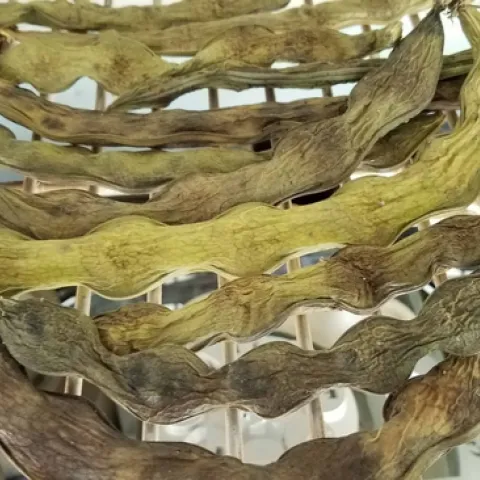
California's cattle producers and agricultural communities are all too familiar with the rising challenge of antibiotic resistance, making common bacterial infections harder to treat in livestock. But imagine a future where we could tackle these infections with a natural, powerful alternative. Our research points to just that: antimicrobial peptides (AMPs) found in African catfish.

We're really excited about these peptides because African catfish thrive in pathogen-rich freshwater, naturally producing these robust immune compounds in their skin mucus as a defense. This natural origin makes them highly appealing alternatives to synthetic drugs.

Predicted Safety and Potent Action

One of the most compelling aspects of these AMPs is their predicted safety for mammals. Our initial computer analyses suggest that various catfish AMPs are generally recognized as safe (GRAS). We predict they'll be absorbed in the human intestine without causing liver, brain, or heart toxicity. Furthermore, lab tests on a promising peptide, NACAP-II, confirmed it was non-hemolytic, meaning it didn't damage rabbit red blood cells—a strong indicator of its potential safety for mammalian cells.

Beyond safety, these peptides demonstrate effectiveness against problematic bacteria. One study revealed NACAP-II's strong activity against Extended-Spectrum Beta-Lactamase (ESBL)-producing Escherichia coli—a critical concern for both animal and human health due to its resistance to many common antibiotics. Another peptide, ACAP-IV, also showed antibacterial activity against E. coli and Staphylococcus aureus. We believe these AMPs work by directly disrupting bacterial cell membranes, a mechanism that makes it harder for bacteria to develop resistance compared to how they resist traditional antibiotics.

Primary Image
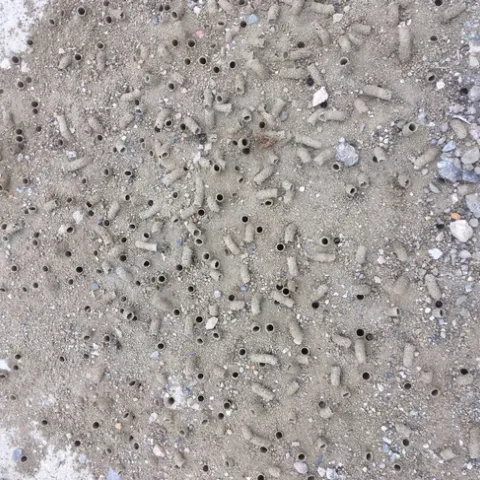
Urban coyote sightings can be recorded at the Coyote Cacher website. (Credit: National Park Service)
Pests in the Urban Landscape: Article

Are coyotes becoming bolder in California while humans shelter in place?

April 17, 2020
Coyote sightings are on the rise in San Francisco, even taking naps in patches of green spaces in the city, reported Uma Chrobak in Popular Science. However, it is unlikely they indicate a change in wildlife behavior, said UC Cooperative Extension human-wildlife interactions advisor Niamh Quinn.
View Article
Primary Image
White Easter Lily free stock photo public domain pictures
Under the Solano Sun: Article

Easter Flowers

April 17, 2020
One of the reasons I love holidays is because they're an excuse to buy holiday flowers. With Easter just around the corner, it's time to think about plants associated with Easter. According to several floral websites, the top flowers gifted at Easter include white roses (Rosa), tulips (Tulipa L.
View Article
ANR Contracts & Grants Updates: Article

NSF Rapid Response Research (RAPID) funding mechanism for COVID-19 research

April 17, 2020
By Kathleen P Nolan
Dear Colleagues, In light of the emergence and spread of the coronavirus disease 2019 (COVID-19) in the United States and abroad, the National Science Foundation (NSF) is accepting proposals to conduct non-medical, non-clinical-care research that can be used immediately to explore how to model and u...
View Article
Primary Image
Global Avo Market
Topics in Subtropics: Article

Global Avocado Industry

April 17, 2020
By Ben A Faber
A great source of information on what's happening to produce around the world, including citrus, avocado, blueberries and occasionally cherimoya and star fruit but all things strawberry and lettuce and whatnot, I check daily on Fresh Plaza to see what's going on.
View Article
Primary Image
avocado sales 2020 April
Topics in Subtropics: Article

The California Avocado Industry Report

April 17, 2020
By Ben A Faber
The California Avocado industry has a rich history of growing, innovating, changing, and reinventing itself as the needs of the marketplace have changed over time.
View Article
Primary Image
UC Cooperative Extension scientists monitor rangeland forage growth by clipping and measuring one square foot of area, and then calculating the data by acre. (Photo: Royce Larsen)
Green Blog: Article

Rancher wisdom can be improved with science

April 17, 2020
By Jeannette Warnert
When California was part of the Wild West, it took a certain amount of guesswork to move cattle from their home range to summer pastures while making sure sufficient forage was left behind to hold the cattle over till fall rainfall spurred new growth.
View Article