A Natural Solution for California's Herds: African Catfish Peptides

California's cattle producers and agricultural communities are all too familiar with the rising challenge of antibiotic resistance, making common bacterial infections harder to treat in livestock. But imagine a future where we could tackle these infections with a natural, powerful alternative. Our research points to just that: antimicrobial peptides (AMPs) found in African catfish.

We're really excited about these peptides because African catfish thrive in pathogen-rich freshwater, naturally producing these robust immune compounds in their skin mucus as a defense. This natural origin makes them highly appealing alternatives to synthetic drugs.

Predicted Safety and Potent Action

One of the most compelling aspects of these AMPs is their predicted safety for mammals. Our initial computer analyses suggest that various catfish AMPs are generally recognized as safe (GRAS). We predict they'll be absorbed in the human intestine without causing liver, brain, or heart toxicity. Furthermore, lab tests on a promising peptide, NACAP-II, confirmed it was non-hemolytic, meaning it didn't damage rabbit red blood cells—a strong indicator of its potential safety for mammalian cells.

Beyond safety, these peptides demonstrate effectiveness against problematic bacteria. One study revealed NACAP-II's strong activity against Extended-Spectrum Beta-Lactamase (ESBL)-producing Escherichia coli—a critical concern for both animal and human health due to its resistance to many common antibiotics. Another peptide, ACAP-IV, also showed antibacterial activity against E. coli and Staphylococcus aureus. We believe these AMPs work by directly disrupting bacterial cell membranes, a mechanism that makes it harder for bacteria to develop resistance compared to how they resist traditional antibiotics.

Cooperative Extension, Sutter-Yuba Counties: Article

The New Ranch Update - October, 2018

October 18, 2018
New Waste Discharge Requirements for Confined Bovine Feeding Operations New Research to Evaluate Early Weaning as Drought Strategy New Research Evaluates Livestock Guardian Dog Breeds Placer-Nevada-Sutter-Yuba Livestock and Natural Resource Needs Assessment Workshop and Events Calendar Grazing Techn...
View Article
ANR Adventures: Article

Feeding the future

October 18, 2018
By Wendy Powers
Tuesday afternoon I headed to Des Moines to participate in the Borlaug Dialogue and World Food Prize events.
View Article
Primary Image
photo by Trisha Rose
Under the Solano Sun: Article

Ride to UCD Arboretum Teaching Nursery

October 18, 2018
Hitched a ride with a friend last week to a plant sale at the UC Davis Arboretum Teaching Nursery. I trust the plants they sell will be true to form and live up to the size, use, water, care, and feeding regime stated on the plant labels.
View Article
Article

Open Enrollment 2019: Good news and new options

October 18, 2018
By Pamela S Kan-Rice
Open Enrollment is coming soon beginning at 8 a.m., Thursday, Oct. 25 and ending at 5 p.m., Tuesday, Nov. 20 with good news about premium costs, important changes to domestic partner eligibility and Health Net Blue & Gold, and a brand new benefit: pet insurance.
View Article
Primary Image
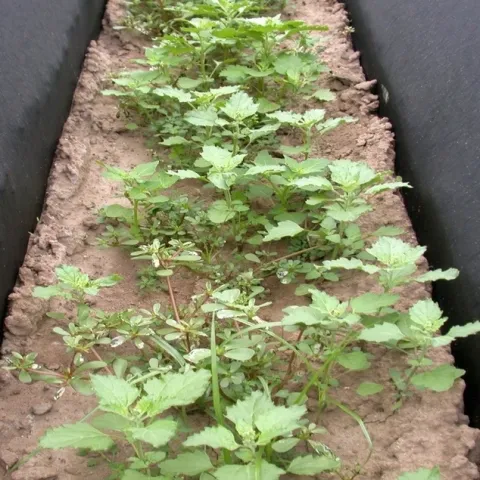
Sometimes weeds are tasty, like amaranth and purslane
UC Weed Science (weed control, management, ecology, and minutia): Article

Herbicide injury in avocado

October 18, 2018
By Gale Perez
From the Topics in Subtropics blog (Oct. 15, 2018) ****************** Although the main objective of herbicide use in avocado orchards (and all crops) is to manage weed populations, sometimes unintentional injury of the crop itself can occur when herbicides are incorrectly applied.
View Article
Santa Cruz County: Article

4-H Council Agenda 10-18-18

October 17, 2018
Hello 4-H Families, We have a county council meeting on Thursday night, 6:45 pm at the Aptos Grange. Please see the attached agenda for the council meeting. Come join the fun! Julie Katawicz 4-H Program Rep.
View Article