A Natural Solution for California's Herds: African Catfish Peptides

California's cattle producers and agricultural communities are all too familiar with the rising challenge of antibiotic resistance, making common bacterial infections harder to treat in livestock. But imagine a future where we could tackle these infections with a natural, powerful alternative. Our research points to just that: antimicrobial peptides (AMPs) found in African catfish.

We're really excited about these peptides because African catfish thrive in pathogen-rich freshwater, naturally producing these robust immune compounds in their skin mucus as a defense. This natural origin makes them highly appealing alternatives to synthetic drugs.

Predicted Safety and Potent Action

One of the most compelling aspects of these AMPs is their predicted safety for mammals. Our initial computer analyses suggest that various catfish AMPs are generally recognized as safe (GRAS). We predict they'll be absorbed in the human intestine without causing liver, brain, or heart toxicity. Furthermore, lab tests on a promising peptide, NACAP-II, confirmed it was non-hemolytic, meaning it didn't damage rabbit red blood cells—a strong indicator of its potential safety for mammalian cells.

Beyond safety, these peptides demonstrate effectiveness against problematic bacteria. One study revealed NACAP-II's strong activity against Extended-Spectrum Beta-Lactamase (ESBL)-producing Escherichia coli—a critical concern for both animal and human health due to its resistance to many common antibiotics. Another peptide, ACAP-IV, also showed antibacterial activity against E. coli and Staphylococcus aureus. We believe these AMPs work by directly disrupting bacterial cell membranes, a mechanism that makes it harder for bacteria to develop resistance compared to how they resist traditional antibiotics.
Primary Image
photos by Michelle Davis
Under the Solano Sun: Article

Mexican Marigold

October 9, 2018
At last Saturday's plant sale at the UC Davis Arboretum, I bought a Tagetes lucida.
View Article
Primary Image
Compare_Ebee.jpg
IGIS: Article

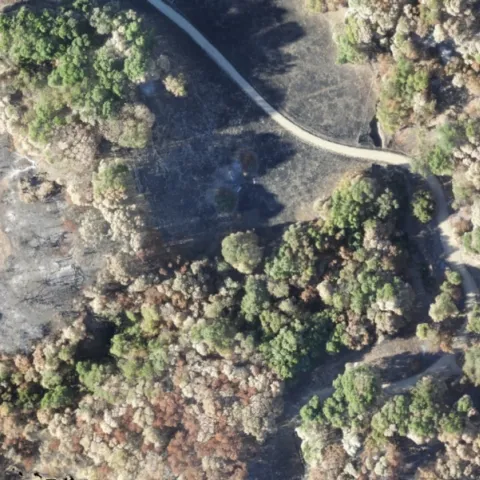
Mapping post-fire landscapes at Hopland Research & Extension Center

October 8, 2018
By Maggi Kelly
The River Fire began July 27, 2018 at 1pm on Old River Road in Hopland. By the evening it had spread, and was threatening numerous buildings in the area. We have a ANR Research and Extension Center (HREC) there, and Shane Feirer from IGIS lives and works here.
View Article
Primary Image
Epidendrum 2
UC Master Gardeners- Diggin' it in SLO: Article

Epidendrum Orchid

October 8, 2018
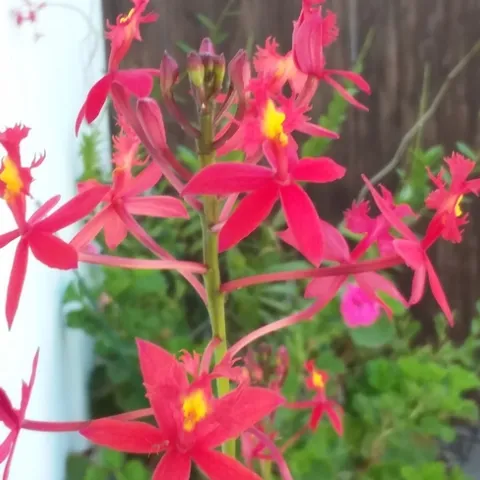
Epidendrum Orchid By Pollly Nelson UCCE Master Gardener Orchidaceae family, Epidendrum ibaguense (radicans) Planting Zone: USDA 10-11, Sunset 17, 21-24 outside Size: Erect stems are 2-4 feet high; plant can be 3-4 feet in width Bloom season: Almost continuously in warm weather.
View Article
Primary Image
Pride of Madeira
UC Master Gardeners- Diggin' it in SLO: Article

Pride Of Madeira

October 8, 2018
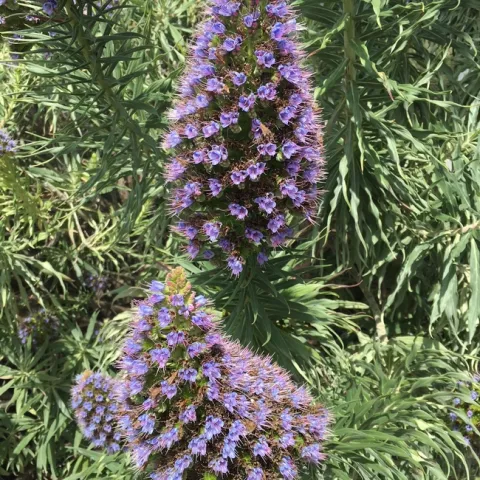
Pride of Madeira (Candicans) By Leslie E. Stevens UCCE Master Gardener Planting Areas: Zones 14 to 24 USDA Size: 5 to 6 feet tall and wide Exposure: Full sun Pruning needs: Prune off spent flowers after blooming. Cut back in late fall to contain size and encourage fuller growth.
View Article
Kern County: Article

Kern UCCE/DWR Weekly Crop Water Use Report 10-08-2018

October 8, 2018
Please see below link to access "How To Use Weekly Crop Water Use (ET) Reports to Assist Farm Water Management" How to Use Weekly Crop Water Use Report Please see below link to access "Weekly ET Report 10-08-18" ET Report 10-08-2018 Please see disclaimer link below: University of California Division...
View Article
Primary Image
Medical entomologist Geoffrey Attardo in his office. (Photo by Kathy Keatley Garvey)
Bug Squad: Article

Targeting the Tsetse Fly

October 8, 2018
By Kathy Keatley Garvey
He targets the tsetse fly. Tsetse flies, large biting flies that inhabit much of Africa, feed on the blood of humans and other vertebrates and transmit such parasitic diseases as African trypanosomiasis. In humans, this disease is better known as sleeping sickness.
View Article
Primary Image
photo by Kathy Low
Under the Solano Sun: Article

Phalsa Berry

October 8, 2018
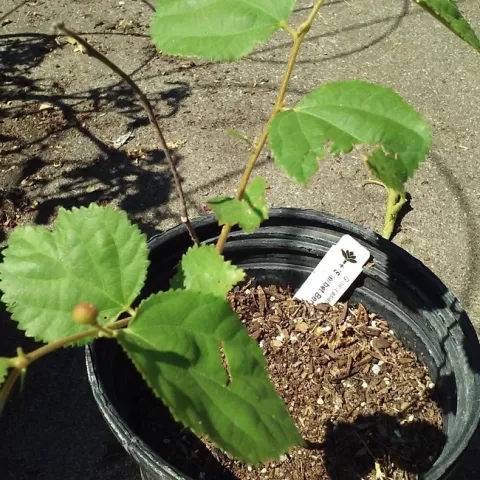
You've probably had a similar experience. You see an interesting plant in a mail-order catalog or nursery website you suddenly desire for your garden. You order it.
View Article