A Natural Solution for California's Herds: African Catfish Peptides

California's cattle producers and agricultural communities are all too familiar with the rising challenge of antibiotic resistance, making common bacterial infections harder to treat in livestock. But imagine a future where we could tackle these infections with a natural, powerful alternative. Our research points to just that: antimicrobial peptides (AMPs) found in African catfish.

We're really excited about these peptides because African catfish thrive in pathogen-rich freshwater, naturally producing these robust immune compounds in their skin mucus as a defense. This natural origin makes them highly appealing alternatives to synthetic drugs.

Predicted Safety and Potent Action

One of the most compelling aspects of these AMPs is their predicted safety for mammals. Our initial computer analyses suggest that various catfish AMPs are generally recognized as safe (GRAS). We predict they'll be absorbed in the human intestine without causing liver, brain, or heart toxicity. Furthermore, lab tests on a promising peptide, NACAP-II, confirmed it was non-hemolytic, meaning it didn't damage rabbit red blood cells—a strong indicator of its potential safety for mammalian cells.

Beyond safety, these peptides demonstrate effectiveness against problematic bacteria. One study revealed NACAP-II's strong activity against Extended-Spectrum Beta-Lactamase (ESBL)-producing Escherichia coli—a critical concern for both animal and human health due to its resistance to many common antibiotics. Another peptide, ACAP-IV, also showed antibacterial activity against E. coli and Staphylococcus aureus. We believe these AMPs work by directly disrupting bacterial cell membranes, a mechanism that makes it harder for bacteria to develop resistance compared to how they resist traditional antibiotics.

Primary Image
Bodie 3-14-18
Ranching in the Sierra Foothills: Article

Which Livestock Guardian Dog Breed?

July 16, 2018
By Daniel K Macon
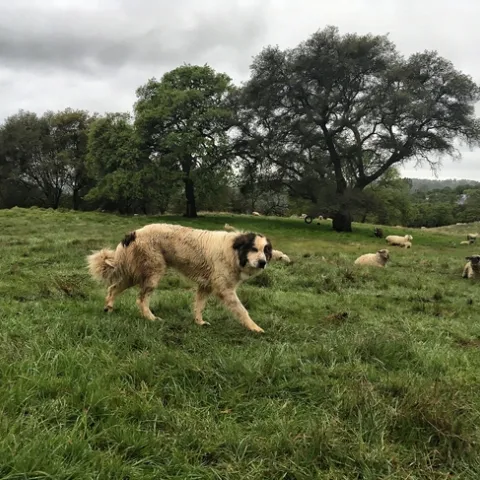
As a sheep producer and an extension educator, I'm often asked which breed of livestock guardian dog (LGD) I prefer. Some have heard that Great Pyrenees dogs are more likely to wander. Others have heard that Akbash and Anatolian Shepherd dogs can be more aggressive with humans.
View Article
Stanislaus County: Article

Grafted Fresh Market Tomato Field Day

July 16, 2018
University of California Cooperative Extension Grafted Fresh Market Tomato Field Day Farmington, CA Friday, July 27th, 2018 9am to noon, come and go as you wish This event is free and open to the public Boxed lunches. Please RSVP to Brenna (bjaegerter@ucanr.
View Article
Primary Image
giant hogweed1
Topics in Subtropics: Article

Giant Hogweed?

July 16, 2018
By Ben A Faber
Invasive plants don't get much coverage in the news, especially at the state and national level.
View Article
HOrT COCO-UC Master Gardener Program of Contra Costa: Article

Veggie Planting Guides

July 16, 2018
Advice for the Home Gardener from the Help Desk of the UC Master Gardener Program of Contra Costa County Client's Request: Hello, I am a Master Gardener from San Juan County in WA and have recently come to reside off Alhambra Valley Road in Martinez and would like to start planning the reestablishme...
View Article
Primary Image
Oak apple galls on valley oak. (Credit: Jack Kelly Clark)
Pests in the Urban Landscape: Article

Oak Galls

July 15, 2018
By Anne E Schellman
What are those curious, colorful, odd-looking growths you've seen growing on oak trees? Ever wonder what those little seeds are that jump around on the ground underneath oak trees in July or August?
View Article
Primary Image
Weeds of CA
UC Weed Science (weed control, management, ecology, and minutia): Article

Weed ID: Traditional Tools to Smartphone Apps

July 15, 2018
Why is weed identification important? Simply stated, because not all management strategies are equally effective against all weed species.
View Article
Primary Image
Whitefly monitoring
Notes in the Margins: Agronomy and Weed Science Musings: Article

Whitefly/Sticky Cotton Monitoring is Underway for 2018 in the San Joaquin Valley

July 15, 2018
Cotton lint stickiness is a significant problem, worldwide. It is also an issue here in California, and a major focus of attention for cotton growers and ginners in the state. Sticky cotton loads can physically slow down the processing speeds of gins, even to the point of shut down.
View Article