A Natural Solution for California's Herds: African Catfish Peptides

California's cattle producers and agricultural communities are all too familiar with the rising challenge of antibiotic resistance, making common bacterial infections harder to treat in livestock. But imagine a future where we could tackle these infections with a natural, powerful alternative. Our research points to just that: antimicrobial peptides (AMPs) found in African catfish.

We're really excited about these peptides because African catfish thrive in pathogen-rich freshwater, naturally producing these robust immune compounds in their skin mucus as a defense. This natural origin makes them highly appealing alternatives to synthetic drugs.

Predicted Safety and Potent Action

One of the most compelling aspects of these AMPs is their predicted safety for mammals. Our initial computer analyses suggest that various catfish AMPs are generally recognized as safe (GRAS). We predict they'll be absorbed in the human intestine without causing liver, brain, or heart toxicity. Furthermore, lab tests on a promising peptide, NACAP-II, confirmed it was non-hemolytic, meaning it didn't damage rabbit red blood cells—a strong indicator of its potential safety for mammalian cells.

Beyond safety, these peptides demonstrate effectiveness against problematic bacteria. One study revealed NACAP-II's strong activity against Extended-Spectrum Beta-Lactamase (ESBL)-producing Escherichia coli—a critical concern for both animal and human health due to its resistance to many common antibiotics. Another peptide, ACAP-IV, also showed antibacterial activity against E. coli and Staphylococcus aureus. We believe these AMPs work by directly disrupting bacterial cell membranes, a mechanism that makes it harder for bacteria to develop resistance compared to how they resist traditional antibiotics.
Primary Image
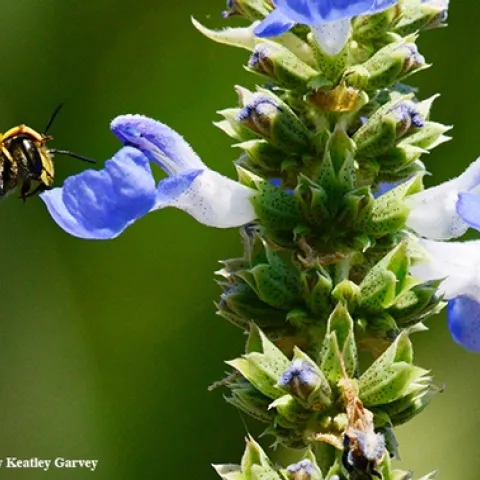
European wool carder bee, Anthidium manicatum, heads toward a blue spike sage, Salvia uliginosa. (Photo by Kathy Keatley Garvey)
Bug Squad: Article

This Bully Bee Goes for the Blue Plate Special

July 20, 2018
By Kathy Keatley Garvey
It's a bully. But what a bully! Ever seen the male European wool carder bee (Anthidium manicatum) protecting its turf? It's "no-holds barred" on our blue spike sage (Salvia uliginosa) and frankly, it's a delight to see and photograph.
View Article
Primary Image
P7140155
UC Environmental Stewards Blog: Article

Program Highlights July 14-20

July 20, 2018
What's for lunch today? Try this delicious "Invasives Lunch" webinar series, organized by CalNat Associate Director Sabrina Drill.
View Article
Stanislaus County: Article

Evapotranspiration Report - 7/19/2018

July 20, 2018
Hello all, Please find the attached document to provide the previous weeks estimated water use report in terms of evapotranspiration for almonds, peaches, walnuts, established vineyard, alfalfa and pasture in Stanislaus County.
View Article
Primary Image
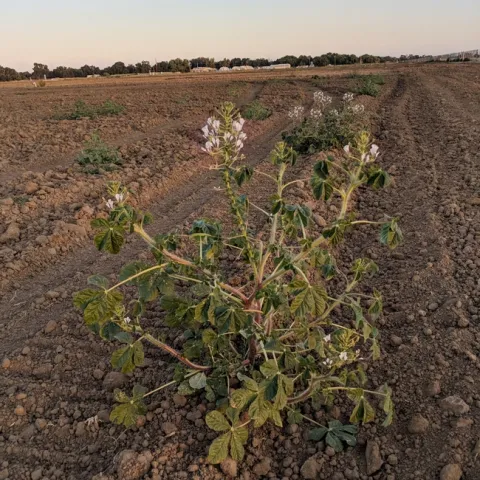
African spiderflower on fallow ground at the research farm
UC Weed Science (weed control, management, ecology, and minutia): Article

New weed in California – African spiderflower (Cleome gynandra)

July 20, 2018
By Guy Kyser
Dr. Mohsen Mesgaran, who joined the Weed Science Group this year as our weed ecophysiologist, found this plant growing on the research farm at UC Davis. African spiderflower is a summer annual broadleaf plant in the caper family (Cleomaceae), growing up to 3 ft tall and wide.
View Article
Primary Image
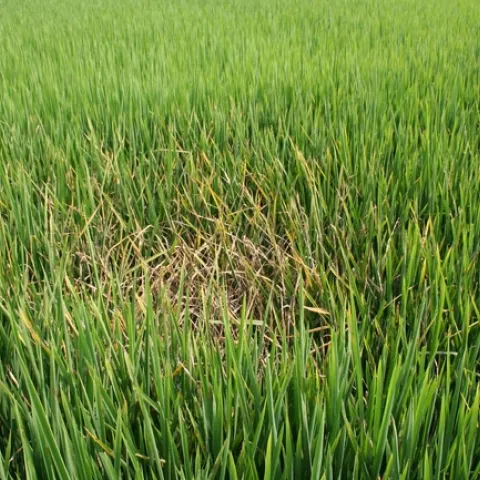
Blast burn
UC Rice Blog: Article

Start scouting for blast

July 20, 2018
By Luis Espino
I got a report from a PCA early in the week of blast infections detected near Maxwell. Blast can occur at any time during the development of the crop. When it infects leaves, it is called leaf blast.
View Article
Primary Image
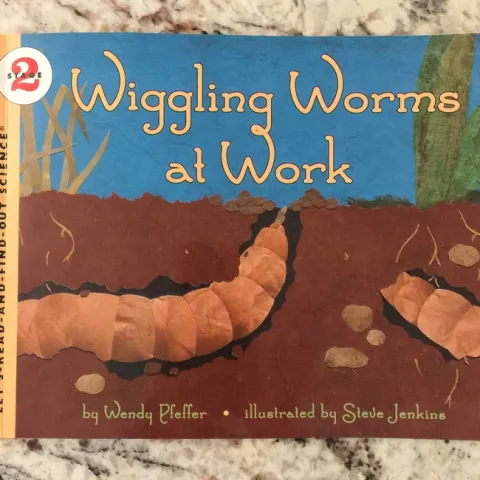
worms
Under the Solano Sun: Article

Worm Poop?

July 20, 2018
As we flip the calendar to March, you may begin to hear Master Gardeners talk about filling worm poop bags. What?'' you ask. Why? We have over 3,000 excellent reasons: the third graders in Solano County who visit the free, high-energy field trip called Ag Day.
View Article
SJC and Delta Field Crops: Article

Upcoming Meetings of Interest

July 20, 2018
By Michelle M Leinfelder-Miles
Mark your calendar with these upcoming meetings brought to you by UC Cooperative Extension, USDA-NRCS, and the California Rice Experiment Station. See the links or attached flyer for more information. 1.
View Article
Primary Image
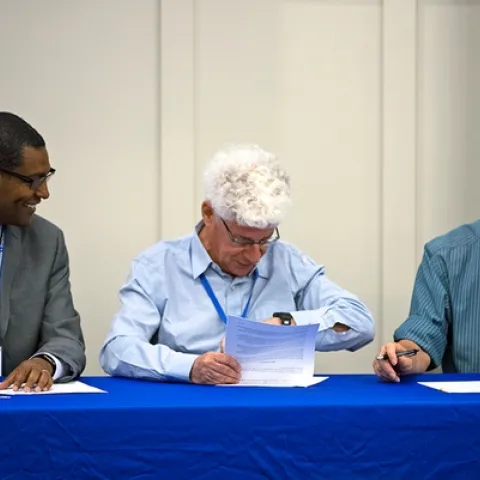
Three men sit at a table signing documents
Green Blog: Article

UC and Israel sign agricultural research agreement

July 20, 2018
By Pamela S Kan-Rice
Pledging to work together to solve water scarcity issues, Israel's Agricultural Research Organization signed a memorandum of understanding with UC Division of Agriculture and Natural Resources and UC Davis on July 16.
View Article
Hopland REC: Article

Sustainable You! 2018

July 20, 2018
By Hannah M Bird
Hello All, For those who don't know me, my name is Rachel Wingler and I am the summer intern at Hopland REC. Through my internship I have had the opportunity to work on and help plan the Sustainable You Summer Camp.
View Article