A Natural Solution for California's Herds: African Catfish Peptides

California's cattle producers and agricultural communities are all too familiar with the rising challenge of antibiotic resistance, making common bacterial infections harder to treat in livestock. But imagine a future where we could tackle these infections with a natural, powerful alternative. Our research points to just that: antimicrobial peptides (AMPs) found in African catfish.

We're really excited about these peptides because African catfish thrive in pathogen-rich freshwater, naturally producing these robust immune compounds in their skin mucus as a defense. This natural origin makes them highly appealing alternatives to synthetic drugs.

Predicted Safety and Potent Action

One of the most compelling aspects of these AMPs is their predicted safety for mammals. Our initial computer analyses suggest that various catfish AMPs are generally recognized as safe (GRAS). We predict they'll be absorbed in the human intestine without causing liver, brain, or heart toxicity. Furthermore, lab tests on a promising peptide, NACAP-II, confirmed it was non-hemolytic, meaning it didn't damage rabbit red blood cells—a strong indicator of its potential safety for mammalian cells.

Beyond safety, these peptides demonstrate effectiveness against problematic bacteria. One study revealed NACAP-II's strong activity against Extended-Spectrum Beta-Lactamase (ESBL)-producing Escherichia coli—a critical concern for both animal and human health due to its resistance to many common antibiotics. Another peptide, ACAP-IV, also showed antibacterial activity against E. coli and Staphylococcus aureus. We believe these AMPs work by directly disrupting bacterial cell membranes, a mechanism that makes it harder for bacteria to develop resistance compared to how they resist traditional antibiotics.
Primary Image
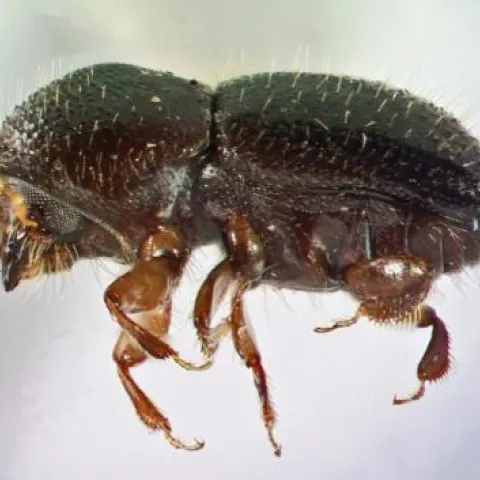
pshb insect
Topics in Subtropics: Article

Shot Hole Borer Training

May 3, 2018
By Ben A Faber
Los Angeles County Spring 2018 ISHB/GSOB Field Trainings Registration now open Learn how to recognize the signs of invasive shot hole borer and gold spotted oak borer infestations in native and landscape trees.
View Article
ANR Adventures: Article

My civic duty is behind me

May 3, 2018
By Wendy Powers
My civic duty is over. Now it's time to really focus on reviewing merit and promotion documents. With less than 50 days left between now and when I need to have them completed, I have 92 left to review.
View Article
Strawberries and Caneberries: Article

Moravec's Paradox

May 3, 2018
By Mark P Bolda
As we continue on our thought study on what might be a successful approach to machine harvest of berries: Great little note from The Economist on the limits of AI in the physical world.
View Article
Primary Image
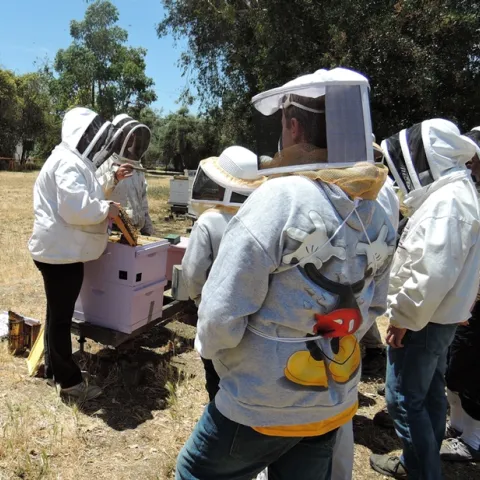
Extension apiculturist Elina Lastro Niño (left) demonstrates how to open a hive to a UC Davis summer camp. She'll be giving three live bee demonstrations at the California Honey Bee Festival: the first at 11:15, then 1 p.m. and the third at 3:45 in the bee tent. (Photo by Kathy Keatley Garvey)
Bug Squad: Article

Why You Should Bee-Coming to the California Honey Festival

May 2, 2018
By Kathy Keatley Garvey
Here's why you should bee-coming to the second annual California Honey Festival, set from 10 a.m. to 5 p.m., Saturday, May 5 in downtown Woodland. Think fun, food, friends, family, and free. The honey-of-an-event--attendance is free--promises to be both entertaining and educational.
View Article
Primary Image
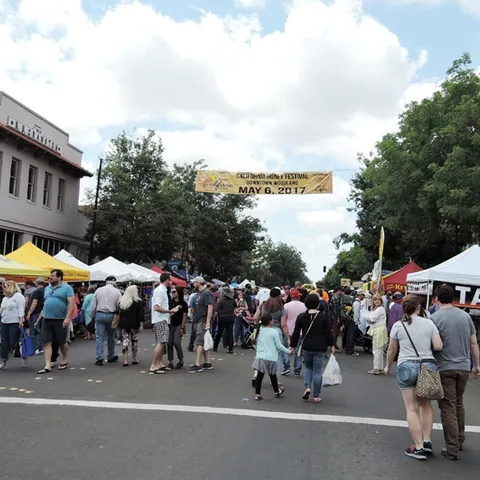
This was the scene at the inaugural California Honey Festival. The organizers expected a crowd of 3000, and were delighted when 20,000 showed up. (Photo by Kathy Keatley Garvey)
Entomology & Nematology News: Article

It's All the Buzz: Saturday, May 5 Is Second Annual California Honey Festival

May 2, 2018
By Kathy Keatley Garvey
It's all the buzz. The second annual California Honey Festival, sponsored by the UC Davis Honey and Pollination Center and the City of Woodland, will offer scores of entertainment and educational activities and food and drink from 10 a.m. to 5 p.m., Saturday, May 5 in downtown Woodland.
View Article
Cooperative Extension, Sutter-Yuba Counties: Article

UCCE Prune Field Meeting!

May 2, 2018
Prune Field Meeting Friday, May 4, 9am - 10am R&J Driers, 2200 Encinal Rd (west of LoMo Crossing)...
View Article
Primary Image
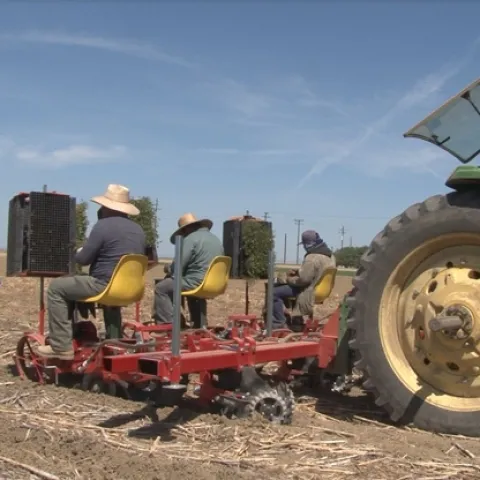
S-ST-REPG-FR
UC Weed Science (weed control, management, ecology, and minutia): Article

EVENT ANNOUNCEMENT :: Strawberry Field Day

May 2, 2018
By Gale Perez
** THIS EVENT IS FREE ** Strawberry Field Day to demonstrate pest management research June 6, 2018 ? 9 AM-12 noon Spence USDA Farm ?
View Article