A Natural Solution for California's Herds: African Catfish Peptides

California's cattle producers and agricultural communities are all too familiar with the rising challenge of antibiotic resistance, making common bacterial infections harder to treat in livestock. But imagine a future where we could tackle these infections with a natural, powerful alternative. Our research points to just that: antimicrobial peptides (AMPs) found in African catfish.

We're really excited about these peptides because African catfish thrive in pathogen-rich freshwater, naturally producing these robust immune compounds in their skin mucus as a defense. This natural origin makes them highly appealing alternatives to synthetic drugs.

Predicted Safety and Potent Action

One of the most compelling aspects of these AMPs is their predicted safety for mammals. Our initial computer analyses suggest that various catfish AMPs are generally recognized as safe (GRAS). We predict they'll be absorbed in the human intestine without causing liver, brain, or heart toxicity. Furthermore, lab tests on a promising peptide, NACAP-II, confirmed it was non-hemolytic, meaning it didn't damage rabbit red blood cells—a strong indicator of its potential safety for mammalian cells.

Beyond safety, these peptides demonstrate effectiveness against problematic bacteria. One study revealed NACAP-II's strong activity against Extended-Spectrum Beta-Lactamase (ESBL)-producing Escherichia coli—a critical concern for both animal and human health due to its resistance to many common antibiotics. Another peptide, ACAP-IV, also showed antibacterial activity against E. coli and Staphylococcus aureus. We believe these AMPs work by directly disrupting bacterial cell membranes, a mechanism that makes it harder for bacteria to develop resistance compared to how they resist traditional antibiotics.

Primary Image
CA Econ tweet Napolitano
ANR Employee News: Article

ANR exchanges ideas, creates new collaborations in Ontario

May 2, 2018
By Pamela S Kan-Rice
I don't know about you, but I'm really excited to have this gathering, VP Glenda Humiston said, as she greeted the people attending the 2018 ANR Statewide Conference in Ontario. More than 650 people participated in the conference held April 9-12 at the DoubleTree by Hilton Hotel Ontario Airport.
View Article
Primary Image
ASICS gleans citrus at South Coast REC.
UC ANR South Coast REC Field Events, Workshops, and Extension: Article

Learning about citrus and giving back to the community...

May 2, 2018
By Tamara J Majcherek
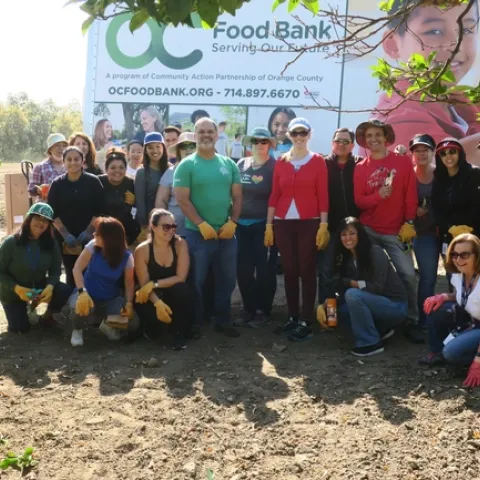
In collaboration with OC Food Bank, (25) ASICS employess came to UC ANR South Coast REC, as part of their team building exercises during Earth Week. Tammy Majcherek, Explained how rare and important it is to receive and be able to provide those in need with fresh fruits and vegetables.
View Article
Primary Image
hlb infection
Topics in Subtropics: Article

How The HLB Bacteria Kills

May 2, 2018
By Ben A Faber
RIVERSIDE, Calif. (http://www.ucr.edu) -- Researchers at the University of California, Riverside have made an important step in understanding the molecular mechanism of huanglongbing (HLB), a destructive disease that is a serious threat to the citrus industry worldwide.
View Article
Kings County UC Cooperative Extension: Article

May 2018

May 1, 2018
In this Edition Kings County 4-H News Up Coming Events Kings Fair Entry Dates Fair Clean up Date Council Meeting Calendar Planning Meeting.
View Article
Campus Voices for Food + Climate Sustainability: Article

CalFresh at the UC's

May 1, 2018
CalFresh is a state funded program that provides benefits to low-income state residents in buying groceries every month. People that benefit from this program are eligible to receive up to $192 per month for groceries.
View Article
Santa Cruz County: Article

4-H Newsletter 5-1-18

May 1, 2018
Dear 4-H Families, We have Spring Fair coming up on May 12th! This one of the biggest events of the year for our 4-H program. Please see all the detail about this event in the newsletter.
View Article