A Natural Solution for California's Herds: African Catfish Peptides

California's cattle producers and agricultural communities are all too familiar with the rising challenge of antibiotic resistance, making common bacterial infections harder to treat in livestock. But imagine a future where we could tackle these infections with a natural, powerful alternative. Our research points to just that: antimicrobial peptides (AMPs) found in African catfish.

We're really excited about these peptides because African catfish thrive in pathogen-rich freshwater, naturally producing these robust immune compounds in their skin mucus as a defense. This natural origin makes them highly appealing alternatives to synthetic drugs.

Predicted Safety and Potent Action

One of the most compelling aspects of these AMPs is their predicted safety for mammals. Our initial computer analyses suggest that various catfish AMPs are generally recognized as safe (GRAS). We predict they'll be absorbed in the human intestine without causing liver, brain, or heart toxicity. Furthermore, lab tests on a promising peptide, NACAP-II, confirmed it was non-hemolytic, meaning it didn't damage rabbit red blood cells—a strong indicator of its potential safety for mammalian cells.

Beyond safety, these peptides demonstrate effectiveness against problematic bacteria. One study revealed NACAP-II's strong activity against Extended-Spectrum Beta-Lactamase (ESBL)-producing Escherichia coli—a critical concern for both animal and human health due to its resistance to many common antibiotics. Another peptide, ACAP-IV, also showed antibacterial activity against E. coli and Staphylococcus aureus. We believe these AMPs work by directly disrupting bacterial cell membranes, a mechanism that makes it harder for bacteria to develop resistance compared to how they resist traditional antibiotics.

Bug Squad: Article

Sometimes The Unexpected Happens

October 25, 2016
By Kathy Keatley Garvey
Sometimes the unexpected happens. Take the case of the female praying mantis delivered to the Bohart Museum of Entomology, University of California, Davis, for an educational display.
View Article
Primary Image
S-AV-CULT-IR[1]
Topics in Subtropics: Article

A Little Rain Can Cause Salt Problems

October 25, 2016
By Ben A Faber
Thanks for the rains that leach the soils of accumulated salts and bring on new fresh growth. Or maybe not. When we apply irrigation water with salts which with few exceptions we do in irrigated agriculture, salts accumulate in the soil.
View Article
UC Weed Science (weed control, management, ecology, and minutia): Article

Federation chooses DiTomaso for James H. Meyer Award

October 25, 2016
By Gale Perez
From the UC Davis Dateline October 25, 2016 We're getting into the weeds in this storyto tell you that weed expert Joe DiTomaso has been named the recipient of this year's James. H. Meyer Distinguished Achievement Award.
View Article
Primary Image
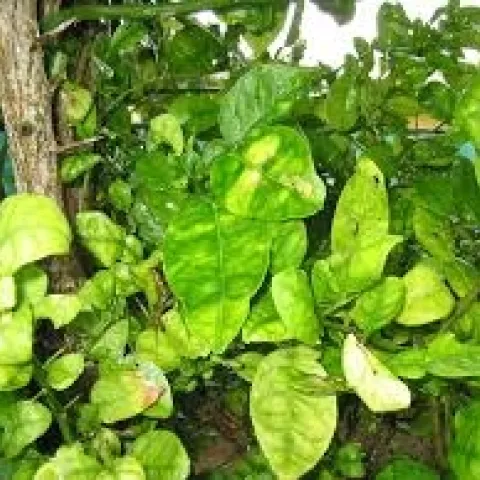
HLB symptoms
Topics in Subtropics: Article

Some Genetic Resistance/Tolerance to HLB

October 24, 2016
By Ben A Faber
Ed Stover and crew at USDA, Fort Pierce in Florida have been studying the response of different scions and rootstocks that have been inoculated with the HLB bacteria. As reported in the Proceedings of the International Citrus Conference (http://www.icc2016.
View Article
Bug Squad: Article

Arboretum Plant Sale on Oct. 22: Yes, There's Life After Lawn

October 21, 2016
By Kathy Keatley Garvey
Is there life after lawn? Yes. If you're looking for plants to attract pollinators, including bees and butterflies, then the UC Davis Arboretum's Plant Sale on Saturday, Oct. 22 is the place to "bee." A public fall clearance sale will be held from 9 a.m. to 1 p.m.
View Article
Primary Image
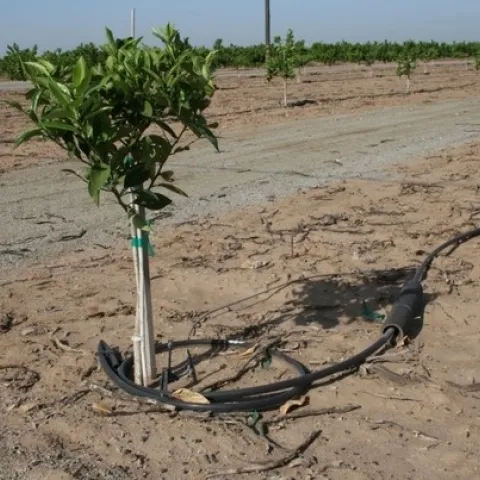
citrus
Topics in Subtropics: Article

International Citrus Conference Holds Hope and Collaboration

October 21, 2016
By Ben A Faber
The International Citrus Conference was just held and about 1,500 people came from all over the world to share their experiences and research in citrus. It included marketers, growers, government officials and researchers who all had citrus as their interest.
View Article
Primary Image
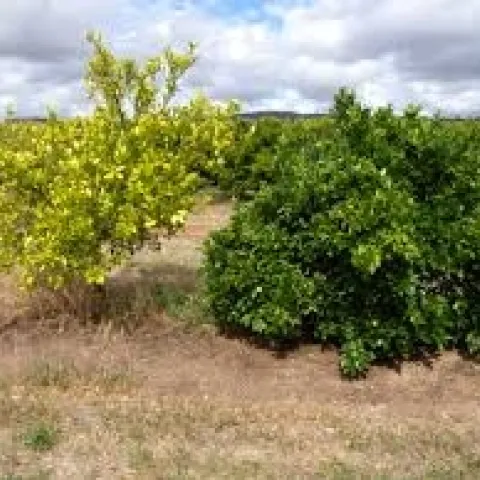
rootstock effect
Topics in Subtropics: Article

Example of a Paper Presented at International Citrus Conference

October 21, 2016
By Ben A Faber
What this means is that there is different feeding behavior on different scion varieties that is unaffected by the rootstocks used in this study. This does not mean "a" rootstock can not have an effect, just that the ones used in this trial did not.
View Article