A Natural Solution for California's Herds: African Catfish Peptides

California's cattle producers and agricultural communities are all too familiar with the rising challenge of antibiotic resistance, making common bacterial infections harder to treat in livestock. But imagine a future where we could tackle these infections with a natural, powerful alternative. Our research points to just that: antimicrobial peptides (AMPs) found in African catfish.

We're really excited about these peptides because African catfish thrive in pathogen-rich freshwater, naturally producing these robust immune compounds in their skin mucus as a defense. This natural origin makes them highly appealing alternatives to synthetic drugs.

Predicted Safety and Potent Action

One of the most compelling aspects of these AMPs is their predicted safety for mammals. Our initial computer analyses suggest that various catfish AMPs are generally recognized as safe (GRAS). We predict they'll be absorbed in the human intestine without causing liver, brain, or heart toxicity. Furthermore, lab tests on a promising peptide, NACAP-II, confirmed it was non-hemolytic, meaning it didn't damage rabbit red blood cells—a strong indicator of its potential safety for mammalian cells.

Beyond safety, these peptides demonstrate effectiveness against problematic bacteria. One study revealed NACAP-II's strong activity against Extended-Spectrum Beta-Lactamase (ESBL)-producing Escherichia coli—a critical concern for both animal and human health due to its resistance to many common antibiotics. Another peptide, ACAP-IV, also showed antibacterial activity against E. coli and Staphylococcus aureus. We believe these AMPs work by directly disrupting bacterial cell membranes, a mechanism that makes it harder for bacteria to develop resistance compared to how they resist traditional antibiotics.
Primary Image
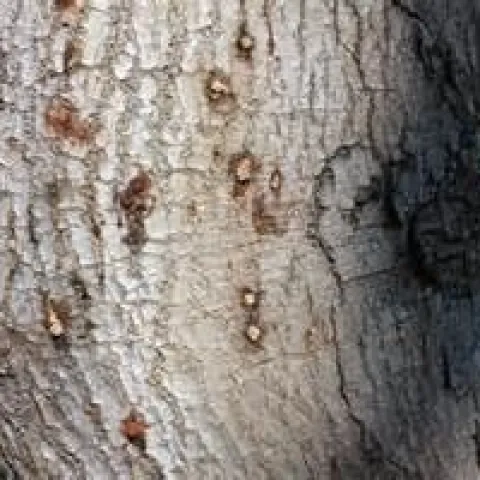
PSHB damage
Topics in Subtropics: Article

Reproductive Hosts of Polyphagous Shot Hole Borer

May 4, 2015
By Ben A Faber
Polyphagous Shot Hole Borer can go to over 100 and counting hosts, but the Fusarium that the ambrosia beetle carries can not reproduce on all tree species. It is this fungus that ultimately kills the tree.
View Article
Primary Image
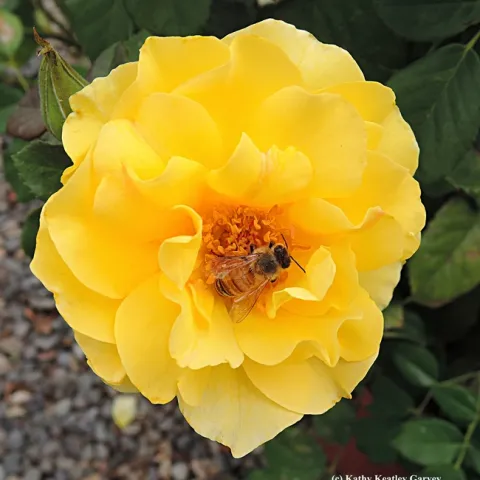
A honey bee heading for the blanket flower, Gaillardia. (Photo by Kathy Keatley Garvey)
Bug Squad: Article

A Bee on a Blanket

May 1, 2015
By Kathy Keatley Garvey
The first day of May calls for a little color. And the blanket flower (Gaillardia) fills the bill. Native to North and South America, it's a member of the sunflower family, Asteraceae. Its delightful yellow and red flowers remind us of the Native American Indian blankets.
View Article
Colusa County: Article

May 2015

May 1, 2015
Upcoming events Blog posts Recipe What to do in May...
View Article
Primary Image
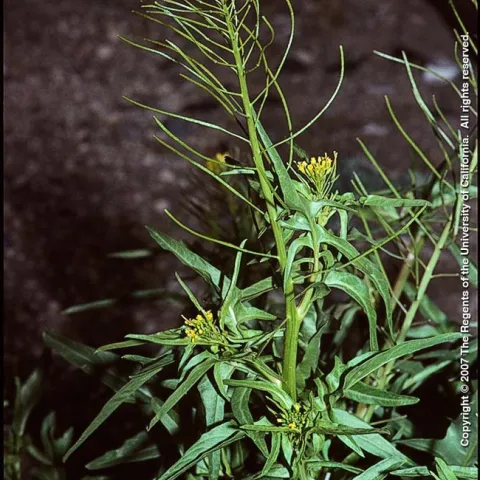
sowthistle

The Case for Attacking Weeds Before They Start Setting Seed

May 1, 2015
By Ben A Faber
One point I always make is that the sooner you control annual weeds, the better. This reduces crop-weed competition, along with a host of other issues caused by weeds (we'll save that for another blog). But the real key to forward-looking weed management is to kill the weed before it produces seeds.
View Article
UC Weed Science (weed control, management, ecology, and minutia): Article

A Historical View of Weed Control Technology

May 1, 2015
By Gale Perez
Carl Bell Emeritus, University of California, San Diego, CA carl@socalinvasives.com The intentional manipulation of wild plants to become desirable crops was the beginning of agriculture some 10,000 years ago.
View Article
Primary Image
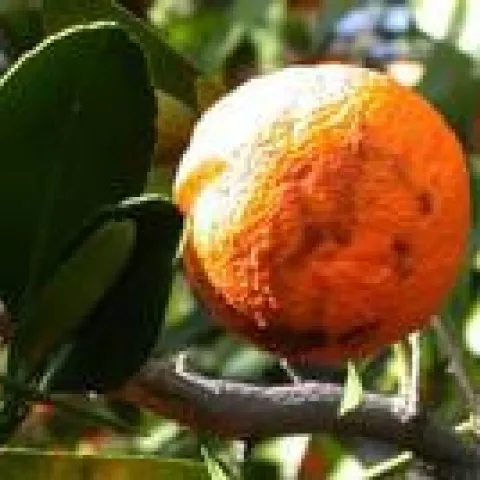
mandarin rind disorder

Satsuma Rind Disorder

May 1, 2015
By Ben A Faber
There was a lot of odd looking, water-soaked Satsuma fruit showing up this year along the coast. It was showing up as late as March since fruit can hang so much longer along the coast than the Central Valley and hotter areas.
View Article
Colusa County: Article

April 2015

April 30, 2015
Tadpole shrimp research update; Arthropod management update...
View Article