A Natural Solution for California's Herds: African Catfish Peptides

California's cattle producers and agricultural communities are all too familiar with the rising challenge of antibiotic resistance, making common bacterial infections harder to treat in livestock. But imagine a future where we could tackle these infections with a natural, powerful alternative. Our research points to just that: antimicrobial peptides (AMPs) found in African catfish.

We're really excited about these peptides because African catfish thrive in pathogen-rich freshwater, naturally producing these robust immune compounds in their skin mucus as a defense. This natural origin makes them highly appealing alternatives to synthetic drugs.

Predicted Safety and Potent Action

One of the most compelling aspects of these AMPs is their predicted safety for mammals. Our initial computer analyses suggest that various catfish AMPs are generally recognized as safe (GRAS). We predict they'll be absorbed in the human intestine without causing liver, brain, or heart toxicity. Furthermore, lab tests on a promising peptide, NACAP-II, confirmed it was non-hemolytic, meaning it didn't damage rabbit red blood cells—a strong indicator of its potential safety for mammalian cells.

Beyond safety, these peptides demonstrate effectiveness against problematic bacteria. One study revealed NACAP-II's strong activity against Extended-Spectrum Beta-Lactamase (ESBL)-producing Escherichia coli—a critical concern for both animal and human health due to its resistance to many common antibiotics. Another peptide, ACAP-IV, also showed antibacterial activity against E. coli and Staphylococcus aureus. We believe these AMPs work by directly disrupting bacterial cell membranes, a mechanism that makes it harder for bacteria to develop resistance compared to how they resist traditional antibiotics.
UC Oaks: Article

Feral Pigs and Oak Woodland Vegetation

September 8, 2025
By Michael Jones
by Barbara Allen-Diaz, James Bartolome, Jim Robbins, and Pete van HoornOaks ‘n Folks – Volume 16, Issue 2 – August 2000In the late Pleistocene, California was home to a diverse suite of large vertebrates, including digging and rooting animals like the peccary and grizzly bear. These two species, along…
View Article
UC Oaks: Article

UC Response to Tanoak Sudden Death/Live Oak Mortality

September 8, 2025
By Michael Jones
Oaks ‘n Folks – Volume 15, Issue 1 – March 2000The University of California Division of Agriculture and Natural Resources (DANR) awarded $47,000 in temporary funds to the Integrated Hardwood Range Management Program (IHRMP) to address the widespread concerns arising from unexplained mortality of tanoak and…
View Article
UC Oaks: Article

Tanoak and Coast Live Oak Under Attack

September 8, 2025
By Michael Jones
by Pavel SvihraOaks ‘n Folks – Volume 14, Issue 2 – August 1999Tanoak (Liuthocarpus densiflorus)and coast live oak (Quercus agrifolia)distribution stretches more than 1,500 miles along the California and Oregon coasts. Coastal forests are not monocultures but rather full grown islands of different species…
View Article
Event Primary Image
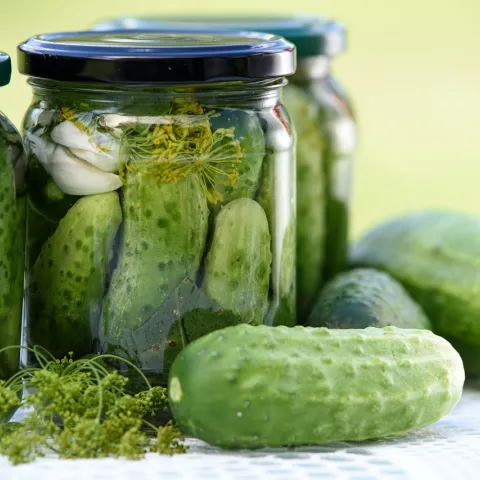
pickled cucumbers
UC Master Food Preserver Program of Orange County: Event

Public Class: Get Your Brine On! Fermentation Fun with Sauerkraut & Dill Pickles

Event Date
Oct 14, 2025

Discover the crunchy, tangy world of fermentation!  Brined pickles and sauerkraut bring a tangy crunch that brightens any meal. Pickling is a time-honored preservation method found in cuisines worldwide. Join the UCCE Orange County Master Food Preservers for a hands-on workshop where you'll learn the…
UC Master Food Preserver Program of Orange County
View Event
Mariposa County: Page

Upcoming Events

Events and field days hosted by the UCCE Regenerative Agriculture program for Mariposa, Merced, and Stanislaus county farmers and ranchers.2026 Cover Crop Field DayFriday, April 24, 2026, 8:30 a.m. to 1:30 p.m.Depart from the Mariposa County Fairgrounds, 5009 Fairground Road, Mariposa, CA 95338. Meet at 8:00…
View Page
UC Oaks: Article

Black Oaks Lose Leaves in El Nino Winter

September 8, 2025
By Michael Jones
by Doug McCreary and Jill GoetzOaks ‘n Folks – Volume 13, Issue 2 – August, 1998BERKELEY – This summer, people living in the Sierra Nevada and Coast Ranges have reported seeing the leaves on California black oaks covered with brown spots, curling at the edges and even turning completely brown and falling off…
View Article
Nutrition Policy Institute News: Article

Study finds universal free school meal policies boost participation and reduce barriers across US schools

September 8, 2025
By Brianna Aguayo Villalon, Danielle Lee, Wendi Gosliner
A new study examining the impact of federal and state Universal Free School Meal policies highlights how expanding access to school meals can help address food insecurity, reduce barriers to meal participation such as stigma and paperwork, and improve children’s diet quality, health, and academic outcomes…
View Article
UC Oaks: Article

Pests of Acorns

September 8, 2025
By Michael Jones
by Ted SwieckiOaks ‘n Folks – Volume 13, Issue 1 – February, 1998The fall of 1997 was a lean season for acorns in many parts of California.To make matters worse, some oak planters have noticed high levels of disease or insect damage in the few acorns they could find. The two most common insects that attack…
View Article
UC Oaks: Article

Living Among the Oaks Creates a Sticky Situation

September 8, 2025
By Michael Jones
by Doug McCrearyOaks ‘n Folks – Volume 11, Issue 2 – September, 1996This summer, many people up and down the Coast, especially in the San Francisco Bay Area, have noticed a sticky residue under their oak trees, as if the oaks were leaking light colored syrup. This “drip” is particularly bothersome when it…
View Article