A Natural Solution for California's Herds: African Catfish Peptides

California's cattle producers and agricultural communities are all too familiar with the rising challenge of antibiotic resistance, making common bacterial infections harder to treat in livestock. But imagine a future where we could tackle these infections with a natural, powerful alternative. Our research points to just that: antimicrobial peptides (AMPs) found in African catfish.

We're really excited about these peptides because African catfish thrive in pathogen-rich freshwater, naturally producing these robust immune compounds in their skin mucus as a defense. This natural origin makes them highly appealing alternatives to synthetic drugs.

Predicted Safety and Potent Action

One of the most compelling aspects of these AMPs is their predicted safety for mammals. Our initial computer analyses suggest that various catfish AMPs are generally recognized as safe (GRAS). We predict they'll be absorbed in the human intestine without causing liver, brain, or heart toxicity. Furthermore, lab tests on a promising peptide, NACAP-II, confirmed it was non-hemolytic, meaning it didn't damage rabbit red blood cells—a strong indicator of its potential safety for mammalian cells.

Beyond safety, these peptides demonstrate effectiveness against problematic bacteria. One study revealed NACAP-II's strong activity against Extended-Spectrum Beta-Lactamase (ESBL)-producing Escherichia coli—a critical concern for both animal and human health due to its resistance to many common antibiotics. Another peptide, ACAP-IV, also showed antibacterial activity against E. coli and Staphylococcus aureus. We believe these AMPs work by directly disrupting bacterial cell membranes, a mechanism that makes it harder for bacteria to develop resistance compared to how they resist traditional antibiotics.
ANR Employee News: Article

Celebration Corner

August 30, 2025
By Pamela S Kan-Rice
UC Cooperative Extension advisors brought home awards from the 2025 National Association of Agricultural Agents Annual Meeting and Professional Improvement Conference.
View Article
Primary Image
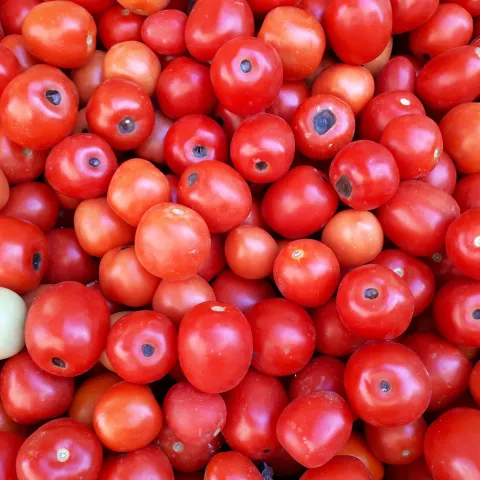
Blossom end rot tomatoes
UC Marin Master Gardeners: Article

Tomato Plant Problems & How to Manage Them

August 30, 2025
By Linda Stiles
Home gardeners may experience disappointing results when growing tomatoes because the plants and fruit are susceptible to several common abiotic (nonliving) disorders, as well as attack by diseases and other pests. The nonliving causes are often attributable to environmental or cultural factors, or…
View Article
Event Primary Image
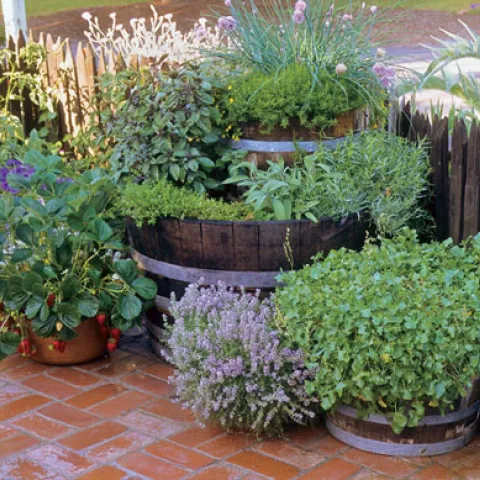
Herbs
UC Master Gardeners of Santa Clara County: Event

Grow Your Own Herbs and Unlock Your Kitchen’s Potential - Willow Glen

Event Date
Jun 20, 2026

Imagine adding the vibrant flavor of fresh, homegrown herbs to your favorite dishes. From the peppery bite of basil to the soothing aroma of lavender, learn how to nurture your own supply of delicious and fragrant herbs.Join UC Master Gardener volunteer Marilyn Becker to discover the secrets to a thriving…
UC Master Gardeners of Santa Clara County
View Event
Event Primary Image
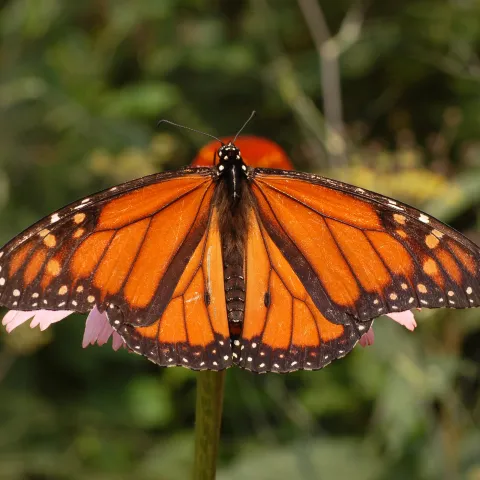
Monarch Butterfly, MG Rebecca Schoenenberger
UC Master Gardeners of Santa Clara County: Event

The Monarch Butterfly Crisis: What’s Happening and How You Can Help - Willow Glen

Event Date
May 16, 2026

Monarch butterflies are disappearing, and their future is in our hands! Ready to be part of the solution? Join us for an inspiring workshop with Santa Clara County Master Gardener Rebecca Schoenenberger. You’ll explore the secret life of monarchs, from their incredible migration to their fragile life cycle…
UC Master Gardeners of Santa Clara County
View Event
Event Primary Image
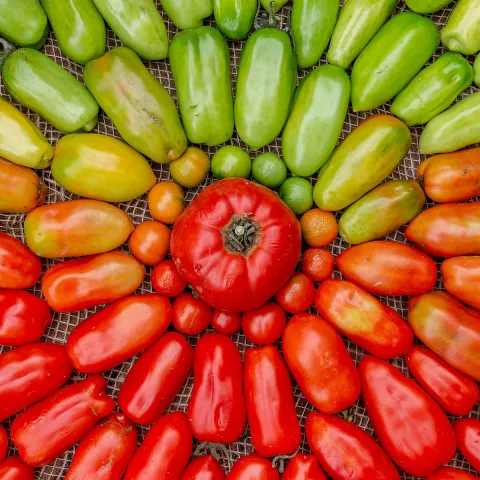
retrieved from WikiCommons, a public domain image bank. at: https://commons.wikimedia.org/wiki/File:Organic_home-grown_tomatoes_-_unripe_to_ripe.jpg
UC Master Gardeners of Santa Clara County: Event

Now is the Time for Homegrown Tomatoes - Willow Glen

Event Date
Apr 18, 2026

Tomatoes are popular summer vegetables grown in the home garden. UC Master Gardener Bob Bowe will share some history, discuss types of Tomatoes (Hybrid or Heirloom, Indeterminate & Determinate), Diseases & Pests and how to manage them, growing from seeds or seedlings, planting, watering, fertilizing …
UC Master Gardeners of Santa Clara County
View Event
Primary Image
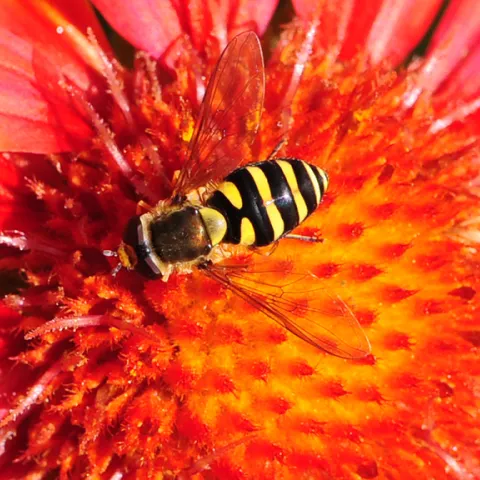
Syrphid fly on blanketflower, Gaillardia. (Photo by Kathy Keatley Garvey)
Bug Squad: Article

Bohart Museum Announces Open Houses

August 29, 2025
By Kathy Keatley Garvey
 Bees and their mimics and eight-legged encounters (spiders) will be among the themes at the Bohart Museum of Entomology open houses for the 2025-26 academic year.Tabatha Yang, education and outreach coordinator of the Bohart Museum, part of the UC Davis Department of Entomology and Nematology,…
View Article
Tulare County UC Cooperative Extension 4-H : Page

About 4-H

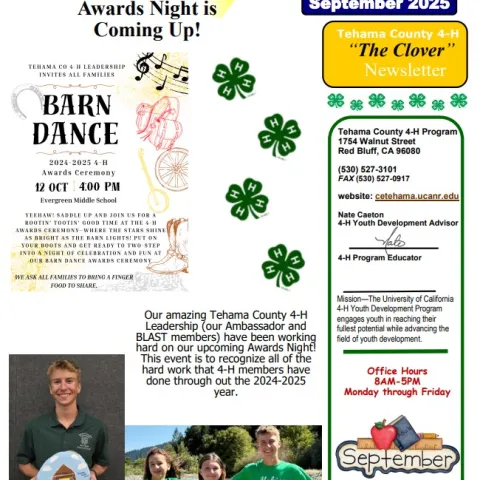
The next step is to contact the club leaders and find out what projects are offered within that club that your youth may be interested in.  Examples of projects include but are not limited to: Agriculture & LivestockSTEM & RoboticsHealthy LivingShooting SportsPhotography &…
View Page