A Natural Solution for California's Herds: African Catfish Peptides

California's cattle producers and agricultural communities are all too familiar with the rising challenge of antibiotic resistance, making common bacterial infections harder to treat in livestock. But imagine a future where we could tackle these infections with a natural, powerful alternative. Our research points to just that: antimicrobial peptides (AMPs) found in African catfish.

We're really excited about these peptides because African catfish thrive in pathogen-rich freshwater, naturally producing these robust immune compounds in their skin mucus as a defense. This natural origin makes them highly appealing alternatives to synthetic drugs.

Predicted Safety and Potent Action

One of the most compelling aspects of these AMPs is their predicted safety for mammals. Our initial computer analyses suggest that various catfish AMPs are generally recognized as safe (GRAS). We predict they'll be absorbed in the human intestine without causing liver, brain, or heart toxicity. Furthermore, lab tests on a promising peptide, NACAP-II, confirmed it was non-hemolytic, meaning it didn't damage rabbit red blood cells—a strong indicator of its potential safety for mammalian cells.

Beyond safety, these peptides demonstrate effectiveness against problematic bacteria. One study revealed NACAP-II's strong activity against Extended-Spectrum Beta-Lactamase (ESBL)-producing Escherichia coli—a critical concern for both animal and human health due to its resistance to many common antibiotics. Another peptide, ACAP-IV, also showed antibacterial activity against E. coli and Staphylococcus aureus. We believe these AMPs work by directly disrupting bacterial cell membranes, a mechanism that makes it harder for bacteria to develop resistance compared to how they resist traditional antibiotics.
Primary Image
Salinas Valley Agriculture: Article

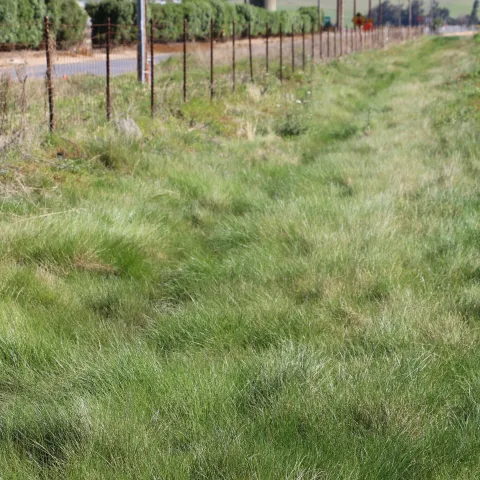
Vegetated Practices Field Day: 10 am, Wednesday May 27th, 2026

May 15, 2026
By Michael D Cahn
Join us for a day focusing on vegetated water treatment. We will begin with a visit to a vegetated ditch site at Huntington Farms in Soledad where we will discuss how the vegetated treatment system was constructed and considerations for implementing these systems on your own land.The site visit will be…
View Article
Page

text to test and see

This is a testThis is my Anchor TextColumn 1 contentColumn 2 contentColumn 3 contentColumn 4 contentColumn 1 contentColumn 2 contentColumn 3 contentColumn 4 contentColumn 1 contentColumn 2 contentColumn 3 contentColumn 4 contentColumn 1 contentColumn 2 contentColumn 3 contentColumn 4 contentMy H2 Header…
View Page
Primary Image
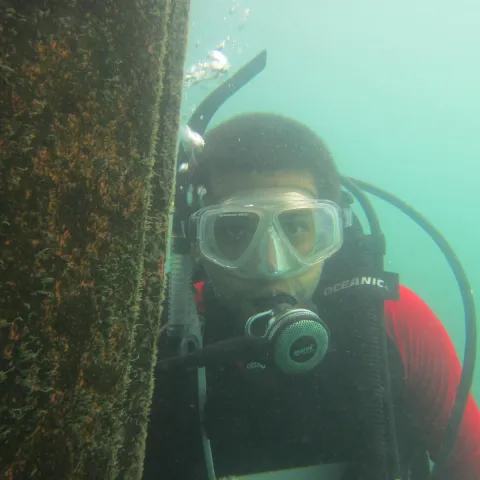
Photograph of Chris Scianni scuba diving under water.
Invasive Species Action Week Lunchtime Talks: Page

2026 CISAW Lunchtime Webinar Series

June 8,2026 Weeds and Fire: A Dysfunctional Relationship in the Santa Monica MountainsPresented by Joey Algiers, National Park Service - Santa Monica Mountains National Recreation AreaOver the past two decades, Santa Monica Mountains National Recreation Area (SMMNRA) has experienced repeated large-scale…
View Page
Primary Image
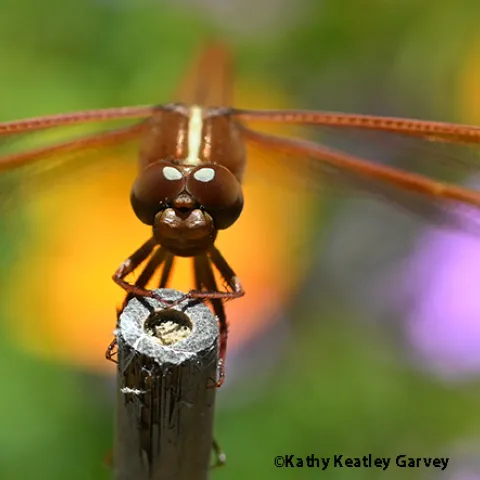
Flame skimmer dragonfly, Libellula saturata, perched on a stick in a meadow. (Photo by Kathy Keatley Garvey)
Bug Squad: Article

Rhyming Prose: The Hunting Behavior of Dragonflies...

May 15, 2026
By Kathy Keatley Garvey
 You've seen dragonflies perched in meadows  but have you ever witnessed their hunting behavior?You won't want to miss the Bohart Museum of Entomology open house on Saturday, May 16 when UC Davis doctoral candidate and dragonfly expert Christofer Brothers shares his rhyming prose on dragonflies.He…
View Article
Event Primary Image
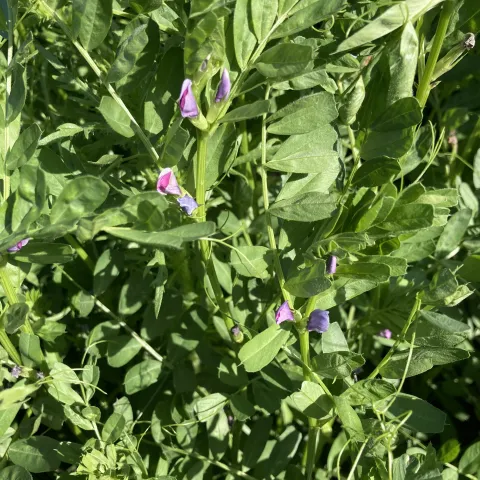
Photo of common vetch
UC Organic Agriculture Institute: Event

Field Day: IPM Weed Management Strategies in Row Crops

Event Date
Jun 11, 2026

Field Day: IPM Weed Management Strategies in Row CropsJoin UC Organic Agriculture Institute and UC Cooperative Extension Sutter-Yuba at Park Farming Organics for a Field Day on IPM Weed Management Strategies in Row Crops with a focus on organic strategies. See agenda below for speakers and topics. This field…
UC Organic Agriculture Institute
View Event
Primary Image
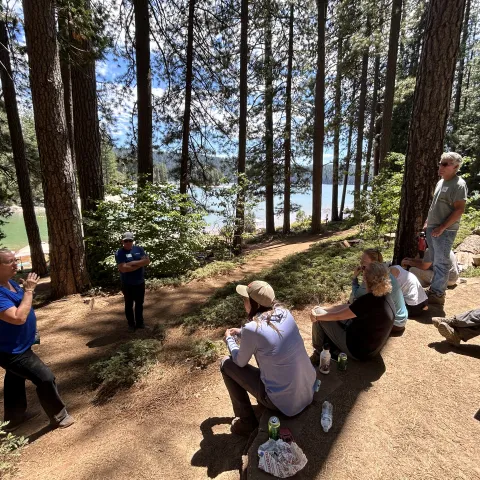
Post-Fire workshop participants at an in-person field day.
Blog - Forest Research and Outreach : Article

New resources from UC ANR provide forested communities with critical wildfire recovery education

May 15, 2026
By Grace N Dean
Forest management after wildfire is a challenging process, and for many California landowners, it's an overwhelming one. Over the past several years, UC ANR has led multiple post-fire education efforts to help forest managers decipher the best path forward. From developing online learning tools for…
View Article
Primary Image
Emerald Ash Borer adults emerging from a tree.

Emerald Ash Borer Awareness Week is May 17-23, 2026

May 15, 2026
By Cherie Shook
Every year, Emerald Ash Borer Awareness Week reminds us that one small insect can have a massive impact on our communities. The emerald ash borer (EAB) is an invasive metallic green beetle that has caused the death of millions of ash trees across North America, killing nearly 100% of unprotected street trees…
View Article