A Natural Solution for California's Herds: African Catfish Peptides

California's cattle producers and agricultural communities are all too familiar with the rising challenge of antibiotic resistance, making common bacterial infections harder to treat in livestock. But imagine a future where we could tackle these infections with a natural, powerful alternative. Our research points to just that: antimicrobial peptides (AMPs) found in African catfish.

We're really excited about these peptides because African catfish thrive in pathogen-rich freshwater, naturally producing these robust immune compounds in their skin mucus as a defense. This natural origin makes them highly appealing alternatives to synthetic drugs.

Predicted Safety and Potent Action

One of the most compelling aspects of these AMPs is their predicted safety for mammals. Our initial computer analyses suggest that various catfish AMPs are generally recognized as safe (GRAS). We predict they'll be absorbed in the human intestine without causing liver, brain, or heart toxicity. Furthermore, lab tests on a promising peptide, NACAP-II, confirmed it was non-hemolytic, meaning it didn't damage rabbit red blood cells—a strong indicator of its potential safety for mammalian cells.

Beyond safety, these peptides demonstrate effectiveness against problematic bacteria. One study revealed NACAP-II's strong activity against Extended-Spectrum Beta-Lactamase (ESBL)-producing Escherichia coli—a critical concern for both animal and human health due to its resistance to many common antibiotics. Another peptide, ACAP-IV, also showed antibacterial activity against E. coli and Staphylococcus aureus. We believe these AMPs work by directly disrupting bacterial cell membranes, a mechanism that makes it harder for bacteria to develop resistance compared to how they resist traditional antibiotics.
Event Primary Image
Composting with Worms
UC Master Gardeners of Solano County: Event

Composting with Worms

Event Date
Jul 23, 2026

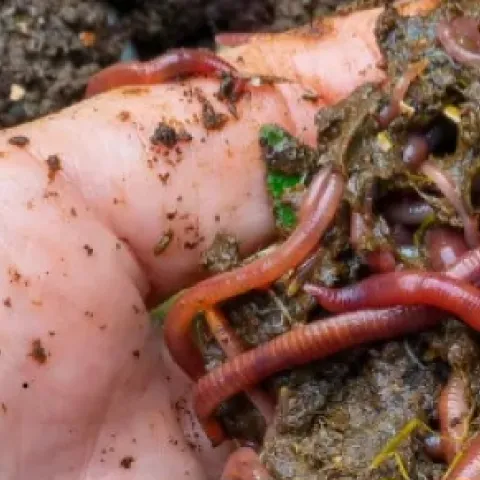
Presenter: Janet Arias Use worms to recycle your food scraps into nutrient-rich worm castings, the “gold standard” of soil amendments.  Learn how to set up and maintain a worm bin, and to harvest and use the castings in your garden.  This is fun for kids, but it’s also great for gardeners who…
UC Master Gardeners of Solano County
View Event
Under the Solano Sun: Article

Don't Panic When Petals Fall

May 14, 2026
By Jennifer M Baumbach
Blog by Patti Brantley What’s Blooming—and What’s Setting Fruit—Right Now in Solano CountyIf you’ve been out in your garden lately, you’ve probably noticed a shift. Blossoms are everywhere, and in some cases, those flowers are already starting to change. This is the time of year when we move from bloom…
View Article
ANR Publishing: Page

Contact Us

Can't find what you're looking for? Email us at anrcatalog@ucanr.edu and we'll be happy to help. 
View Page
UC Cooperative Extension Sonoma County: Page

2026 Summer Programs

Sonoma 4-H Summer Programs 2026For 2026, Sonoma 4-H is offering outdoor exploration, science, soccer, and so many fun memories for youth! These programs are open for everyone, you don't have to be a 4-H member during the school year to take part of these exciting programs.  4-H Day Camp at Camp…
View Page
Santa Clara County Cooperative Extension: Event

Clase de Compostaje

Event Date
Jun 27, 2026

¡Aprende a transformar tus residuos en abono rico para tus plantas en nuestra clase práctica de compostaje!¡Únete a nuestra Clase de Compostaje!Ven a aprender todo sobre cómo convertir tus residuos orgánicos en tierra fértil para tus plantas. En persona y con tips súper prácticos para que empieces a…
Santa Clara County Cooperative Extension
View Event