A Natural Solution for California's Herds: African Catfish Peptides

California's cattle producers and agricultural communities are all too familiar with the rising challenge of antibiotic resistance, making common bacterial infections harder to treat in livestock. But imagine a future where we could tackle these infections with a natural, powerful alternative. Our research points to just that: antimicrobial peptides (AMPs) found in African catfish.

We're really excited about these peptides because African catfish thrive in pathogen-rich freshwater, naturally producing these robust immune compounds in their skin mucus as a defense. This natural origin makes them highly appealing alternatives to synthetic drugs.

Predicted Safety and Potent Action

One of the most compelling aspects of these AMPs is their predicted safety for mammals. Our initial computer analyses suggest that various catfish AMPs are generally recognized as safe (GRAS). We predict they'll be absorbed in the human intestine without causing liver, brain, or heart toxicity. Furthermore, lab tests on a promising peptide, NACAP-II, confirmed it was non-hemolytic, meaning it didn't damage rabbit red blood cells—a strong indicator of its potential safety for mammalian cells.

Beyond safety, these peptides demonstrate effectiveness against problematic bacteria. One study revealed NACAP-II's strong activity against Extended-Spectrum Beta-Lactamase (ESBL)-producing Escherichia coli—a critical concern for both animal and human health due to its resistance to many common antibiotics. Another peptide, ACAP-IV, also showed antibacterial activity against E. coli and Staphylococcus aureus. We believe these AMPs work by directly disrupting bacterial cell membranes, a mechanism that makes it harder for bacteria to develop resistance compared to how they resist traditional antibiotics.
Primary Image
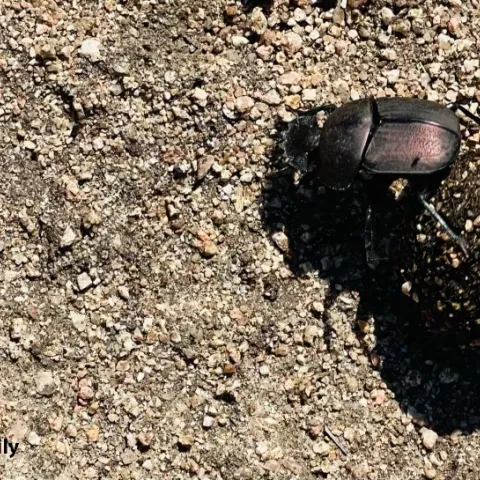
Dung beetle on the move. (Credit: Garvey Family Image)

Insects, Art and the Sound of a Silent Crisis

May 27, 2025
By Kathy Keatley Garvey
 When medical entomologist Lee Rafuse Haines, associate research professor, University of Notre Dame,  speaks on "Insects, Art and the Sound of a Silent Crisis" at the June 2nd seminar hosted by the UC Davis Department of Entomology and Nematology, she'll work dung beetles into her presentation. …
View Article
Nutrition Policy Institute News: Article

Nutrition Policy Institute presented on healthy school meals for all at the 2025 FRAC National Anti-Hunger Policy Conference

May 27, 2025
By Brianna Aguayo Villalon, Dania Orta-Aleman, Danielle Lee, Lorrene D Ritchie
The National Anti-Hunger Policy Conference aims to strengthen federal nutrition programs, close food access gaps for low-income communities, and develop innovative strategies to end hunger nationwide. Sponsored by the Food Research & Action Center in cooperation with the National CACFP Forum, the…
View Article
Primary Image
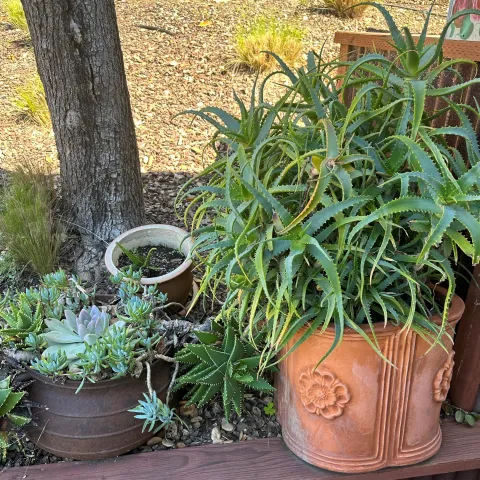
aloe
UC Marin Master Gardeners: Article

Succulents 102

May 27, 2025
 Master Gardeners enthusiastically support finding homes for succulents in your home garden. Once reserved for arid climates, succulents have proven resilient and adaptable. Including succulents in your water-efficient garden makes creating a dynamic, biodiverse, and pollinator-friendly garden easier…
View Article
Sierra Cascade Intensive Forest Management Research Cooperative: Event

4-H Stampede Cattle Drive

Event Date
Sep 10, 2025

The Cattle Drive is back! Please save the date: September 10th at 6:00 PM for this year’s Marysville Stampede Cattle Drive. We’d love to have everyone participate. The theme for this year is “Rodeo Through the Decades.”
Sierra Cascade Intensive Forest Management Research Cooperative
View Event