A Natural Solution for California's Herds: African Catfish Peptides

California's cattle producers and agricultural communities are all too familiar with the rising challenge of antibiotic resistance, making common bacterial infections harder to treat in livestock. But imagine a future where we could tackle these infections with a natural, powerful alternative. Our research points to just that: antimicrobial peptides (AMPs) found in African catfish.

We're really excited about these peptides because African catfish thrive in pathogen-rich freshwater, naturally producing these robust immune compounds in their skin mucus as a defense. This natural origin makes them highly appealing alternatives to synthetic drugs.

Predicted Safety and Potent Action

One of the most compelling aspects of these AMPs is their predicted safety for mammals. Our initial computer analyses suggest that various catfish AMPs are generally recognized as safe (GRAS). We predict they'll be absorbed in the human intestine without causing liver, brain, or heart toxicity. Furthermore, lab tests on a promising peptide, NACAP-II, confirmed it was non-hemolytic, meaning it didn't damage rabbit red blood cells—a strong indicator of its potential safety for mammalian cells.

Beyond safety, these peptides demonstrate effectiveness against problematic bacteria. One study revealed NACAP-II's strong activity against Extended-Spectrum Beta-Lactamase (ESBL)-producing Escherichia coli—a critical concern for both animal and human health due to its resistance to many common antibiotics. Another peptide, ACAP-IV, also showed antibacterial activity against E. coli and Staphylococcus aureus. We believe these AMPs work by directly disrupting bacterial cell membranes, a mechanism that makes it harder for bacteria to develop resistance compared to how they resist traditional antibiotics.
UC Master Gardeners of Calaveras County: Event

Demonstration Garden Open Hours | Calaveras County

Event Date
Mar 5, 2026

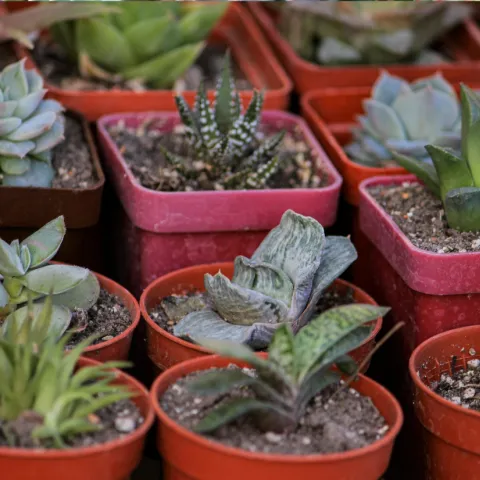
You're invited to visit The Calaveras County Master Gardeners Demonstration Garden  While parts of the garden are resting, our winter vegetable beds and several cold-weather bloomsare thriving. Come see what is growing!Every Thursday in March, from 11:00 am to 4:00 pm.  Garden Highlights and…
UC Master Gardeners of Calaveras County
View Event
UC Master Gardeners of Merced County: Article

The Shamrock Plant: Ireland's Iconic Symbol

February 27, 2026
By Allison Plagenza
By Denise Glassett, UC Master Gardener of Merced CountyIn March around St. Patrick’s Day you can find shamrock plants for sale in stores and nurseries. What is it about these plants that intrigues us?The shamrock plant holds a special place in Irish culture, recognized worldwide as a symbol of luck and…
View Article

Citrus Thrips Research You Can Use

February 27, 2026
By Sandipa Gautam
Field Trial Results You Can Use: Citrus Thrips Insecticide Research are Published on Arthropod Management TestsBy Sandipa GautamArea Citrus IPM Advisor, UCCE, UCANRFor citrus pest control advisors (PCAs) and growers, in-season citrus thrips decisions depend on reliable, field-validated data. Each…
View Article
Cooperative Extension San Joaquin County: Page

Gardening, Food & Nutrition

Community ProgramsCooperative Extension programs in nutrition, gardening, and food preservation and safety promote healthy lifestyles and optimal health. UCCE’s Community Nutrition and Health Program includes CalFresh Healthy Living (CFHL) and Expanded Food and Nutrition Education (EFNEP). These programs…
View Page
Cooperative Extension San Joaquin County: Page

Agriculture & Natural Resources

Agriculture ProgramsUC Cooperative Extension connects San Joaquin County producers, landowners, and residents with research-based information in agriculture and natural resource management, partnering to solve real-world challenges, strengthen farm viability, and protect natural resources for current and…
View Page
Primary Image
white pear flowers on twigs
Under the Solano Sun: Article

Hello Lady Beetles!

February 27, 2026
By Jennifer M Baumbach
Article by Ann ShortWhat’s not to love about winter in a California Mediterranean Garden? It is quite something.The weather cools.Leaves are bagged and saved for compost. Trees let in more light without their canopy. The vegetable garden is mostly dormant and cleaned up, and bulbs planted. Now, we wait for…
View Article