A Natural Solution for California's Herds: African Catfish Peptides

California's cattle producers and agricultural communities are all too familiar with the rising challenge of antibiotic resistance, making common bacterial infections harder to treat in livestock. But imagine a future where we could tackle these infections with a natural, powerful alternative. Our research points to just that: antimicrobial peptides (AMPs) found in African catfish.

We're really excited about these peptides because African catfish thrive in pathogen-rich freshwater, naturally producing these robust immune compounds in their skin mucus as a defense. This natural origin makes them highly appealing alternatives to synthetic drugs.

Predicted Safety and Potent Action

One of the most compelling aspects of these AMPs is their predicted safety for mammals. Our initial computer analyses suggest that various catfish AMPs are generally recognized as safe (GRAS). We predict they'll be absorbed in the human intestine without causing liver, brain, or heart toxicity. Furthermore, lab tests on a promising peptide, NACAP-II, confirmed it was non-hemolytic, meaning it didn't damage rabbit red blood cells—a strong indicator of its potential safety for mammalian cells.

Beyond safety, these peptides demonstrate effectiveness against problematic bacteria. One study revealed NACAP-II's strong activity against Extended-Spectrum Beta-Lactamase (ESBL)-producing Escherichia coli—a critical concern for both animal and human health due to its resistance to many common antibiotics. Another peptide, ACAP-IV, also showed antibacterial activity against E. coli and Staphylococcus aureus. We believe these AMPs work by directly disrupting bacterial cell membranes, a mechanism that makes it harder for bacteria to develop resistance compared to how they resist traditional antibiotics.
UC Master Gardener Program of Contra Costa County: Article

Appendix.1. Principal parts of a Vascular Plant

May 6, 2026
By CoCoMG Helpdesk
Vegetable Gardening - Handbook for Beginners Appendix.1. The Root The first root to develop is the primary root. The lateral roots, or secondary roots, branch off from the primary root. Root hairs are finger-like extensions that enlarge the root’s surface area. Plant roots have several functions:…
View Article
UC Master Food Preservers of Central Sierra: Article

Preserve it! Series: Leftover Lifetimes - Time and Temps for Keeping Food Safe

May 6, 2026
When in doubt, throw it out! Leftovers can be a lifesaver when you need a meal in a hurry, but unfortunately they don’t last forever. Or even a long time. And no, turning leftovers into another kind of leftover does not extend the life of the original food. Keeping food at proper temperatures and…
View Article
UC Master Food Preservers of Central Sierra: Article

Preserve it! Series: Canning with Monk Fruit Sweetener is Not Recommended

May 6, 2026
There has been no testing with monk fruit sweeteners to determine their effects on pH Monk fruit sweetener is becoming popular amongst people looking for alternatives to sugar. Its sweetness is derived not from traditional fructose sugar molecules in the fruit, but from extracted chemicals that provide…
View Article
UC Master Food Preservers of Central Sierra: Article

Preserve it! Series: Defining Pressure Canner Capacity

May 6, 2026
Canning basics: The difference between volume capacity and jar capacity. Looking to acquire a new (or used) pressure canner? One consideration when evaluating whether a pressure canner will suit your needs is the size of the device. It’s important to distinguish between volume capacity and jar capacity …
View Article
Real Estate and Facilities Development: Page

REC Revitalization

Modernizing RECs Across CaliforniaThe Real Estate and Facilities Development Department is coordinating major facility revitalization efforts across multiple UC ANR Research and Extension Centers (RECs) throughout California.These projects are intended to:Improve visibility and accessibilityEnhance public…
View Page
Real Estate and Facilities Development: Page

Contact Us

How to Reach UsOffice of Real Estate and Facilities Development - UC ANR  Business Operations 1111 Franklin St, 11th Floor Oakland, CA 94607-5200 Phone: (510) 987-0145 Fax: (510) 834-8026Our Team  Eric Schueler Real Estate and Facilities Development Director Phone: (510) 987-9318  Email:…
View Page
Event Primary Image
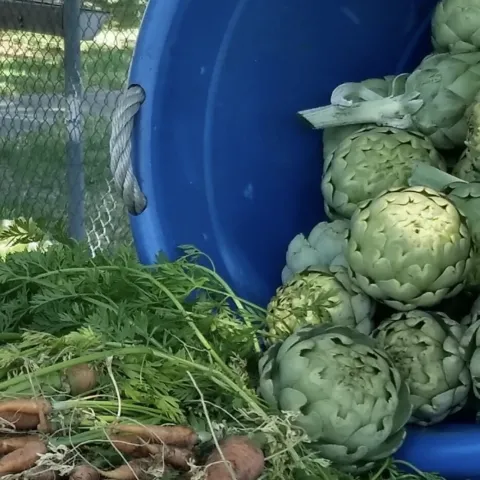
Grace Garden, artichoke harvest
UC Master Gardener Program of Yolo County: Event

Gardening for Year Round Meals: May Is a Fun Time in the Garden

Event Date
May 9, 2026

Gardening For Year Round Meals Join Karen Slinkard, UC Master Gardener of Yolo County to talk how May is a fun time in the garden, ideal germination conditions for vegetable seeds,  and edible flowers to add to your garden and meals. Karen will share her experience from more than fifty years of…
UC Master Gardener Program of Yolo County
View Event