A Natural Solution for California's Herds: African Catfish Peptides

California's cattle producers and agricultural communities are all too familiar with the rising challenge of antibiotic resistance, making common bacterial infections harder to treat in livestock. But imagine a future where we could tackle these infections with a natural, powerful alternative. Our research points to just that: antimicrobial peptides (AMPs) found in African catfish.

We're really excited about these peptides because African catfish thrive in pathogen-rich freshwater, naturally producing these robust immune compounds in their skin mucus as a defense. This natural origin makes them highly appealing alternatives to synthetic drugs.

Predicted Safety and Potent Action

One of the most compelling aspects of these AMPs is their predicted safety for mammals. Our initial computer analyses suggest that various catfish AMPs are generally recognized as safe (GRAS). We predict they'll be absorbed in the human intestine without causing liver, brain, or heart toxicity. Furthermore, lab tests on a promising peptide, NACAP-II, confirmed it was non-hemolytic, meaning it didn't damage rabbit red blood cells—a strong indicator of its potential safety for mammalian cells.

Beyond safety, these peptides demonstrate effectiveness against problematic bacteria. One study revealed NACAP-II's strong activity against Extended-Spectrum Beta-Lactamase (ESBL)-producing Escherichia coli—a critical concern for both animal and human health due to its resistance to many common antibiotics. Another peptide, ACAP-IV, also showed antibacterial activity against E. coli and Staphylococcus aureus. We believe these AMPs work by directly disrupting bacterial cell membranes, a mechanism that makes it harder for bacteria to develop resistance compared to how they resist traditional antibiotics.

Event Primary Image
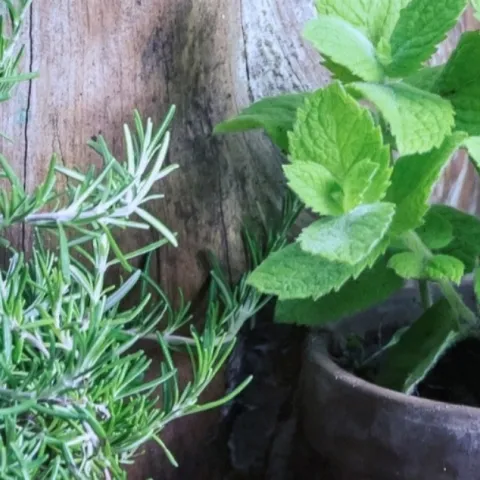
Herb Gardening
UC Master Gardeners of Solano County: Event

Herb Gardening

Event Date
Jun 27, 2026

Learn how to grow your own herbs right in your garden.Event flyer
UC Master Gardeners of Solano County
View Event
UC Master Gardener Program of Contra Costa County: Article

Drip Irrigation - Layout Types

May 5, 2026
By Lori D Palmquist
Grid, Snake, and Ring Layouts for Drip IrrigationA well-designed drip irrigation system can save water, improve plant health, and make gardening easier. But the layout you choose matters just as much as the equipment itself. Different garden types require different approaches to deliver water efficiently…
View Article
Primary Image
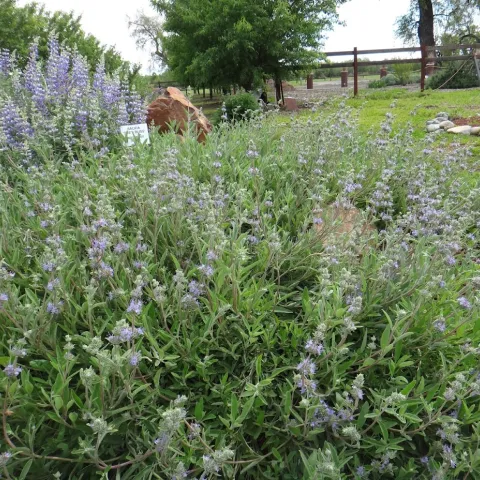
Bee's Bliss salvia is a good alternative to invasive ground covers like vinca major. Brent McGhie
The Real Dirt: Article

Native vs. Non-Native Plants

May 4, 2026
In California, besieged by the twin threats of drought and wildfire, the choice to grow native versus non-native plants is attracting more attention than ever before. What exactly are the merits of native compared to non-native plants, and how do gardeners make the best choice about what to grow in a home…
View Article
UC Master Gardeners of San Diego County: Article

Managing the Garden

May 4, 2026
By the Master Gardener Association of San Diego County
Types of Volunteer-Run Garden TeamsMostly retirees, a few working folks. 3-person team each day, an hour or so.Special-needs young adults & their teachers/aids. 2-3 days a week, an hour or so.Retirees, working folks, special-needs adults. 6 days a week, an hour or so.Special Projects TeamThere are tasks…
View Article
UC Master Gardener Program of Contra Costa County: Article

How to Sheet Mulch

May 4, 2026
By CoCoMG Helpdesk
A Quick StartSheet mulching is a technique of laying cardboard or newspaper over an existing lawn and then topping it off with layers of compost and wood mulch. The layers suppress weed growth, giving you healthier soil and plants. Step 1 Mow or cut vegetation to the ground. Install any 5-gallon or…
View Article
Event Primary Image
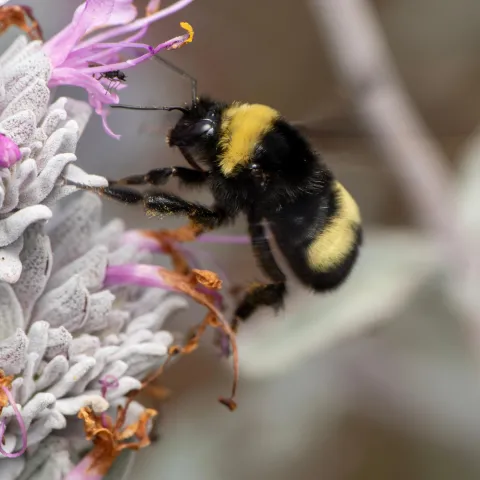
Black and yellow bumble bee flying from a pale lavender flowers in a globe-shaped cluster.
UC Ag Experts Talk Webinar Series: Event

Webinar - Advancing IPPM: Pollinators, Natural Enemies, and the Economic Value of Habitat

Event Date
Jul 22, 2026

This webinar is part of the Integrated Pest and Pollinator Management series. Dr. Lora Morandin, Associate Director of the Pollinator Partnership, will give a brief overview on how pest control and pollination benefit the ecosystem. She will also discuss the importance of wild pollinators to pollination and…
UC Ag Experts Talk Webinar Series
View Event
UC Master Gardener Program of Contra Costa County: Article

Using Compost in the Home Garden

May 4, 2026
By CoCoMG Helpdesk
IntroductionOur goal in gardening is to build healthy soil in a way that will help develop permanent fertility in the garden and landscape. The addition of compost to our soil is one of the most basic methods of meeting this goal. Good soil management will provide the nutrition our plants need today, but it…
View Article