A Natural Solution for California's Herds: African Catfish Peptides

California's cattle producers and agricultural communities are all too familiar with the rising challenge of antibiotic resistance, making common bacterial infections harder to treat in livestock. But imagine a future where we could tackle these infections with a natural, powerful alternative. Our research points to just that: antimicrobial peptides (AMPs) found in African catfish.

We're really excited about these peptides because African catfish thrive in pathogen-rich freshwater, naturally producing these robust immune compounds in their skin mucus as a defense. This natural origin makes them highly appealing alternatives to synthetic drugs.

Predicted Safety and Potent Action

One of the most compelling aspects of these AMPs is their predicted safety for mammals. Our initial computer analyses suggest that various catfish AMPs are generally recognized as safe (GRAS). We predict they'll be absorbed in the human intestine without causing liver, brain, or heart toxicity. Furthermore, lab tests on a promising peptide, NACAP-II, confirmed it was non-hemolytic, meaning it didn't damage rabbit red blood cells—a strong indicator of its potential safety for mammalian cells.

Beyond safety, these peptides demonstrate effectiveness against problematic bacteria. One study revealed NACAP-II's strong activity against Extended-Spectrum Beta-Lactamase (ESBL)-producing Escherichia coli—a critical concern for both animal and human health due to its resistance to many common antibiotics. Another peptide, ACAP-IV, also showed antibacterial activity against E. coli and Staphylococcus aureus. We believe these AMPs work by directly disrupting bacterial cell membranes, a mechanism that makes it harder for bacteria to develop resistance compared to how they resist traditional antibiotics.
Primary Image
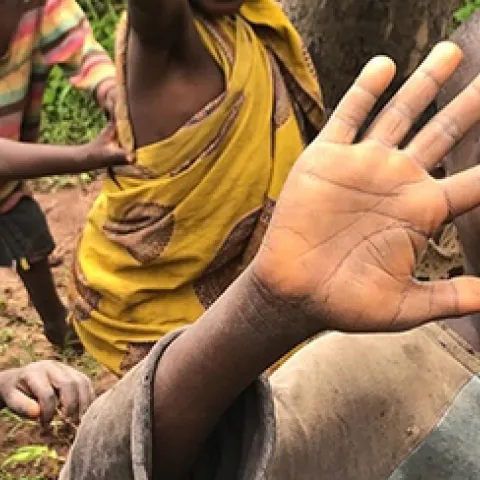
A youngster waves goodbye to Jenny Carlson Donnelly

Jenny. One of Us.

February 27, 2025
By Kathy Keatley Garvey
 We remember when Jenny Sara Carlson received her doctorate in entomology with a dedicated emphasis in the biology of vector-borne diseases in August of 2015 from the University of California, Davis. Her dissertation: "Culicine Vector Competence and Its Role in the Transmission of Avian…
View Article
Page

About UC ANR

UC Agriculture and Natural Resources connects the power of UC research in agriculture, natural resources, nutrition and youth development with local communities to improve the lives of all Californians.    Take a virtual tourView our latest BrochureRead the 2024 UC ANR Annual…
View Page
Primary Image
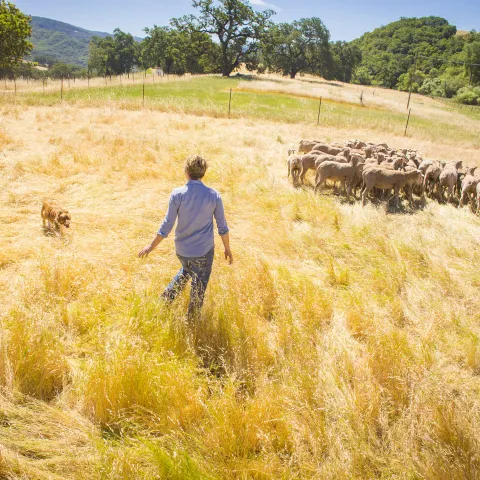
A shepherd and dog move sheep across a field
Food Blog: Article

California producers: Climate change is real; we could use a little help

February 26, 2025
By Trina Kleist
How can farmers and ranchers continue to grow our food while facing challenges of a changing climate, increasingly scarce water, land use pressures and rising costs? UC and UC ANR scientists are using surveys and interviews with people in the state's agricultural sector to learn what folks need to stay…
View Article
Primary Image
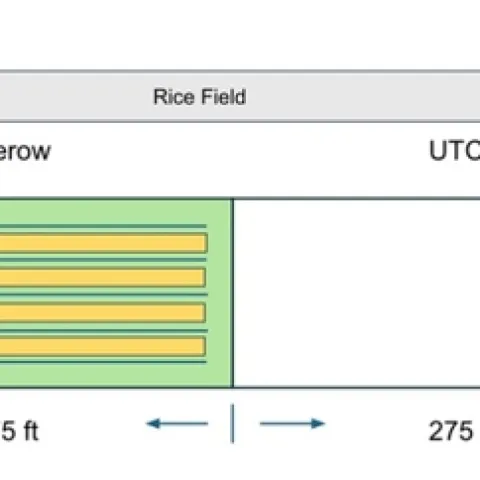
field map of the hedgerow and control plot area
UC Rice Blog: Article

Hedgerows in Rice Update

February 26, 2025
By Whitney B Brim-Deforest, Taiyu Guan, Sarah E Light, Consuelo B Baez Vega
Incorporating hedgerows in rice could provide growers with an alternative method for managing field margins without relying on pesticide applications to control the pests along the edges of rice fields.
View Article
Primary Image
Steven, wearing an orange hard hat with black hearing protection, stands under a large oak tree
ANR Employee News: Article

In memoriam: Steven Swain

February 26, 2025
By Pamela S Kan-Rice
 Steven V. Swain, UC Cooperative Extension environmental horticulture advisor for Marin and Sonoma counties, died unexpectedly in San Francisco on Feb. 8. He was 58. He earned a bachelor's degree in biology from UC Santa Cruz in 1989 and got his start in commercial arboriculture working with Lewis…
View Article
Primary Image
Bill Weitkamp Headshot
ANR Employee News: Article

In memoriam: Bill Weitkamp

February 26, 2025
By Pamela S Kan-Rice
 William "Bill" Weitkamp, Jr., UC Cooperative Extension livestock and natural resources advisor emeritus, passed away in Arroyo Grande on Dec. 18, 2024. He was 85.Weitkamp, who served with UCCE for 35 years, was born in Klamath Falls, Oregon, in the hospital closest to his hometown of Tulelake, where he…
View Article
Lindcove Research and Extension Center: Page

Current Research Rates

The full cost rates for research conducted at Lindcove REC for 2022-2023 have been approved. LREC is able to offer 50% funding for UC Research projects. Non-UC research projects are charged the full cost plus a Non-University fee of 36% to cover indirect costs. PER ACRE: FULL COST PER ACRE = $3,547.
View Page
Lindcove Research and Extension Center: Page

Walnut

Principle Investigator: Dr. Elizabeth Fichtner, Area Advisor, University of California Cooperative Extension, Tulare In 2016 Lindcove Research and Extension Center (LREC) welcomed its first nut crop on site.
View Page