A Natural Solution for California's Herds: African Catfish Peptides

California's cattle producers and agricultural communities are all too familiar with the rising challenge of antibiotic resistance, making common bacterial infections harder to treat in livestock. But imagine a future where we could tackle these infections with a natural, powerful alternative. Our research points to just that: antimicrobial peptides (AMPs) found in African catfish.

We're really excited about these peptides because African catfish thrive in pathogen-rich freshwater, naturally producing these robust immune compounds in their skin mucus as a defense. This natural origin makes them highly appealing alternatives to synthetic drugs.

Predicted Safety and Potent Action

One of the most compelling aspects of these AMPs is their predicted safety for mammals. Our initial computer analyses suggest that various catfish AMPs are generally recognized as safe (GRAS). We predict they'll be absorbed in the human intestine without causing liver, brain, or heart toxicity. Furthermore, lab tests on a promising peptide, NACAP-II, confirmed it was non-hemolytic, meaning it didn't damage rabbit red blood cells—a strong indicator of its potential safety for mammalian cells.

Beyond safety, these peptides demonstrate effectiveness against problematic bacteria. One study revealed NACAP-II's strong activity against Extended-Spectrum Beta-Lactamase (ESBL)-producing Escherichia coli—a critical concern for both animal and human health due to its resistance to many common antibiotics. Another peptide, ACAP-IV, also showed antibacterial activity against E. coli and Staphylococcus aureus. We believe these AMPs work by directly disrupting bacterial cell membranes, a mechanism that makes it harder for bacteria to develop resistance compared to how they resist traditional antibiotics.
UC ANR Fire Network: Page

Northeastern Plateaus

The western edge of the huge intermountain Great Basin extends into the northeastern corner of California forming the Northeastern Plateaus bioregion. This is a semi-arid region of mountain ranges separated by lower-elevation basins and includes the Modoc Plateau.
View Page
UC ANR Fire Network: Page

Pile Burning

Pile burning is an affordable and effective way to dispose of brush and woody vegetation around your house. Learning how to construct and prepare burn piles takes skill, good equipment, and an understanding of the current and predicted weather to minimize the risk of escape.
View Page
UC ANR Fire Network: Page

Prepare Your Farm or Ranch

Although wildfires are part of Californias landscape, properties can be designed and maintained to reduce their vulnerability. Agricultural infrastructure (e.g.
View Page
UC ANR Fire Network: Page

Protecting Agricultural Structures

If your property or operation has old wooden buildings or buildings with many openings, these buildings are more vulnerable to wildfire. Hardening a structure means improving building components, such as roofs, gutters, and vents to reduce exposure to flames and ember ignition.
View Page
UC ANR Fire Network: Page

Defensible Space for Farms or Ranches

Defensible space describes the area surrounding a structure or asset where vegetation and combustible materials are carefully maintained to eliminate pathways that wildfire can burn directly to structures, reduce potential for ignition of nearby vegetation and combustible materials from embers, and...
View Page
UC ANR Fire Network: Page

Fire Protection for Crops, Vineyards, and Orchards

Many large wildfires have been stopped around vineyards, fields and orchards. This is because agricultural fields are often irrigated or include roads, well-maintained vegetation, and other natural fire breaks.
View Page
UC ANR Fire Network: Page

Prepare Your Farm or Ranch Before the Wildfire

Being prepared for wildfire can go a long way. Here are some things you can do before each wildfire season: Create and update an emergency plan. Ensure all employees know what the plan is and how they can contribute. Sign up for mobile emergency alerts.
View Page
Primary Image
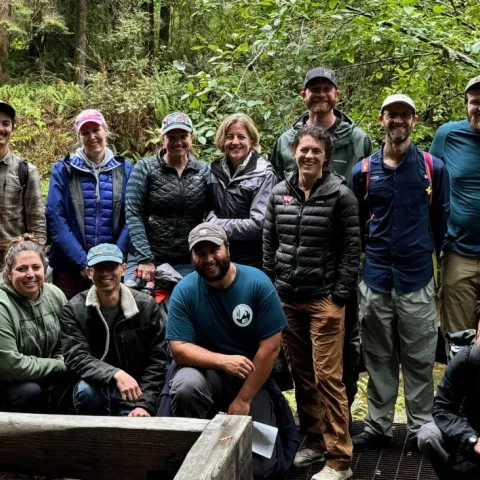
A photo of UC ANR Fire Network Members in a redwood forest.
UC ANR Fire Network: Page

About the Fire Network

The UC Division of Agriculture and Natural Resources (UC ANR) Fire Network is dedicated to improving fire resilience for all Californians, developing and delivering science-based information to support healthy communities and ecosystems.The Fire Network offers programming through our …
View Page
UC ANR Fire Network: Page

Contact Us

Contact the UC ANR Fire Network team of fire and natural resource experts for guidance on wildfire preparedness, defensible space, and community resilience programs statewide.
View Page
Primary Image
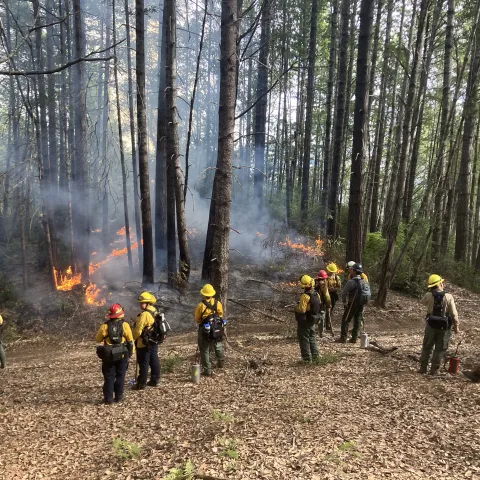
Prescribed burn association members participating in a training.
UC ANR Fire Network: Page

Fire Network Events

The Fire Network offers programming through our statewide team of local extension advisors, campus faculty and specialists, and staff. We deliver research and extension programming in four key thematic areas related to land stewardship, wildfire preparedness, post-fire recovery, and workforce…
View Page