A Natural Solution for California's Herds: African Catfish Peptides

California's cattle producers and agricultural communities are all too familiar with the rising challenge of antibiotic resistance, making common bacterial infections harder to treat in livestock. But imagine a future where we could tackle these infections with a natural, powerful alternative. Our research points to just that: antimicrobial peptides (AMPs) found in African catfish.

We're really excited about these peptides because African catfish thrive in pathogen-rich freshwater, naturally producing these robust immune compounds in their skin mucus as a defense. This natural origin makes them highly appealing alternatives to synthetic drugs.

Predicted Safety and Potent Action

One of the most compelling aspects of these AMPs is their predicted safety for mammals. Our initial computer analyses suggest that various catfish AMPs are generally recognized as safe (GRAS). We predict they'll be absorbed in the human intestine without causing liver, brain, or heart toxicity. Furthermore, lab tests on a promising peptide, NACAP-II, confirmed it was non-hemolytic, meaning it didn't damage rabbit red blood cells—a strong indicator of its potential safety for mammalian cells.

Beyond safety, these peptides demonstrate effectiveness against problematic bacteria. One study revealed NACAP-II's strong activity against Extended-Spectrum Beta-Lactamase (ESBL)-producing Escherichia coli—a critical concern for both animal and human health due to its resistance to many common antibiotics. Another peptide, ACAP-IV, also showed antibacterial activity against E. coli and Staphylococcus aureus. We believe these AMPs work by directly disrupting bacterial cell membranes, a mechanism that makes it harder for bacteria to develop resistance compared to how they resist traditional antibiotics.
Primary Image
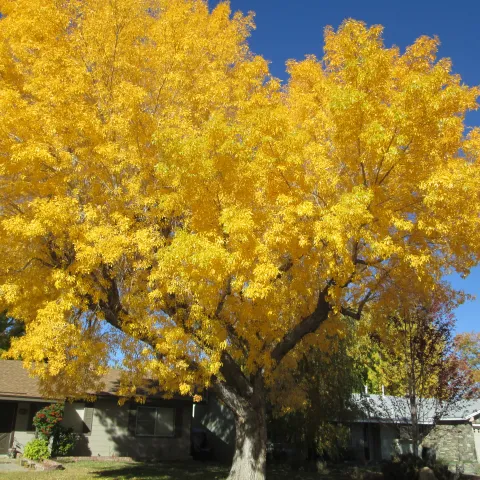
A tree with yellow fall foliage in front of a house.
UC Master Gardeners of Inyo and Mono Counties: Page

Tree Care Tips

Information on pruning, problems, and tree myths.
View Page
UC Master Gardeners of Inyo and Mono Counties: Page

Tree Lists

A collection of important tree lists for our region.
View Page
UC Master Gardeners of Inyo and Mono Counties: Page

Fruit Chill Hours

While a tree is dormant in the winter, it has more tolerance to cold temperatures. Trees of this type that lose their leaves in winter are called deciduous fruits. It would be bad news for a tree to decide to wake up and flower in the middle of winter.
View Page
UC Master Gardeners of Inyo and Mono Counties: Page

Owens Valley Growing Guide

This guide is intended as a printable document that can local gardeners can refer to easily. It's not comprehensive, but it does cover the basics. It is provided in both HTML and PDF versions for accessibility. Each PDF file is one, single-sided sheet.
View Page
The Pollinator Project: Pollinator Attractiveness in Southern California Ornamentals: Page

Pollinators in Southern California

We established 3 study sites to evaluate the pollinator attractiveness of 33 species of common ornamental plants.
View Page
The Pollinator Project: Pollinator Attractiveness in Southern California Ornamentals: Page

What Should I Plant?

When beginning a garden, the amount of information and resources can be overwhelming! Here are a few resources to inform you on Southern California gardening and help you decide what to plant.
View Page
The Pollinator Project: Pollinator Attractiveness in Southern California Ornamentals: Page

Pesticide Residue in Nectar & Pollen

We treated 4 different species of ornamental annuals and perennials with neonicotinoid pesticides available on the market, then sampled the nectar and pollen repeatedly over time to measure the level of pesticide residue that remained.
View Page
The Pollinator Project: Pollinator Attractiveness in Southern California Ornamentals: Page

Pollinator Stewardship for Nurseries

Resources on pollinator stewardship for nursery professionals coming soon! Ornamental production at Altman Plants, 2018.
View Page
The Pollinator Project: Pollinator Attractiveness in Southern California Ornamentals: Page

What Is A Pollinator?

Illustration by Mariana Ruiz (Creative Commons) Pollination is the first step of flowering plant reproduction: pollen moves from male flower parts to female flower parts, to fertilize the ovule and produce seeds.
View Page
The Pollinator Project: Pollinator Attractiveness in Southern California Ornamentals: Page

Designing a Pollinator-Friendly Garden

UCANR has developed a detailed publication on "How to Attract and Maintain Pollinators in Your Garden.
View Page