A Natural Solution for California's Herds: African Catfish Peptides

California's cattle producers and agricultural communities are all too familiar with the rising challenge of antibiotic resistance, making common bacterial infections harder to treat in livestock. But imagine a future where we could tackle these infections with a natural, powerful alternative. Our research points to just that: antimicrobial peptides (AMPs) found in African catfish.

We're really excited about these peptides because African catfish thrive in pathogen-rich freshwater, naturally producing these robust immune compounds in their skin mucus as a defense. This natural origin makes them highly appealing alternatives to synthetic drugs.

Predicted Safety and Potent Action

One of the most compelling aspects of these AMPs is their predicted safety for mammals. Our initial computer analyses suggest that various catfish AMPs are generally recognized as safe (GRAS). We predict they'll be absorbed in the human intestine without causing liver, brain, or heart toxicity. Furthermore, lab tests on a promising peptide, NACAP-II, confirmed it was non-hemolytic, meaning it didn't damage rabbit red blood cells—a strong indicator of its potential safety for mammalian cells.

Beyond safety, these peptides demonstrate effectiveness against problematic bacteria. One study revealed NACAP-II's strong activity against Extended-Spectrum Beta-Lactamase (ESBL)-producing Escherichia coli—a critical concern for both animal and human health due to its resistance to many common antibiotics. Another peptide, ACAP-IV, also showed antibacterial activity against E. coli and Staphylococcus aureus. We believe these AMPs work by directly disrupting bacterial cell membranes, a mechanism that makes it harder for bacteria to develop resistance compared to how they resist traditional antibiotics.
Page

About Us

 Welcome to the UC Master Gardener Program of Poppy County! Since 1980, our trained volunteers have been helping residents of Poppy County grow healthy gardens using research-based information from the University of California. We're part of UC Agriculture and Natural Resources (UC ANR), bringing the…
View Page
Primary Image
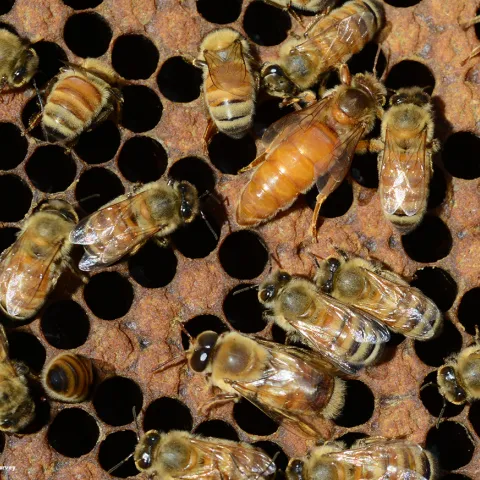
Queen bee and workers. (Photo by Kathy Keatley Garvey)
Bug Squad: Article

Honoring the Memory of 'Honey Bee Guru' Eric Mussen

December 1, 2025
By Kathy Keatley Garvey
 They are a special group of people--the people who receive the California State Beekeepers' Association's Eric Mussen Distinguished Service Award, launched in 2015.Eric Mussen (1944-2022), who served for 38 years as the UC Cooperative Extension apiculturist and member of the UC Davis Department of…
View Article
Nutrition Policy Institute News: Article

Family childcare home providers recommend higher reimbursements from the Child and Adult Care Food Program to support healthier foods for young children

December 1, 2025
By Danielle Lee, Kassandra A Bacon, Lorrene D Ritchie
The Child and Adult Care Food Program, or CACFP, is the largest federal nutrition program for childcare, providing nutritious foods and beverages to over 4.5 million children nationally. Nutrition Policy Institute researchers interviewed family childcare home provider CACFP participants, their sponsors and…
View Article
Event Primary Image
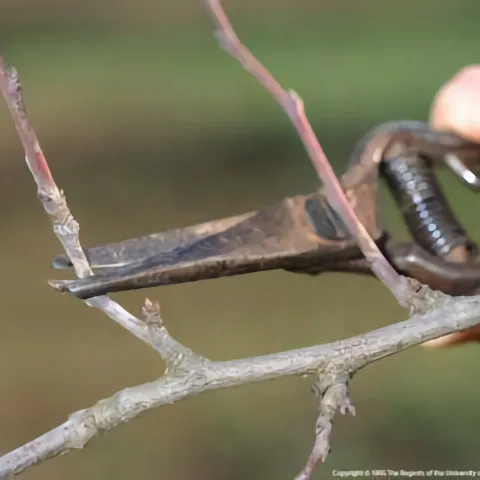
Dormant branch pruning, UC
UC Master Gardeners of Santa Clara County: Event

Winter Fruit Tree Pruning - Sunnyvale

Event Date
Jan 24, 2026

Winter is the best time to prune fruit trees because they’re dormant and you can see the tree structure. Proper pruning timing and technique allow your trees to produce the best fruit. Come join us for a free workshop to learn about pruning fruit trees. Learn the why, how, and when of pruning for best…
UC Master Gardeners of Santa Clara County
View Event
Primary Image
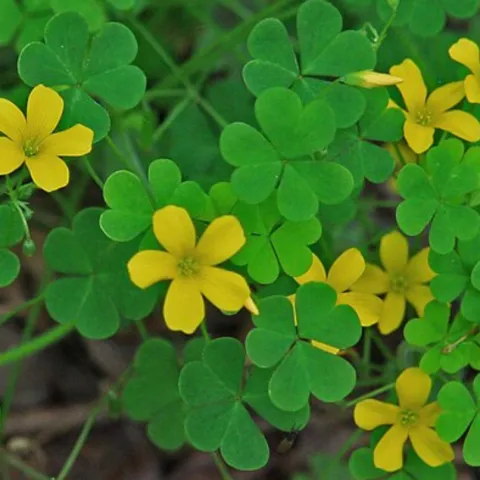
Yellow flowers on Oxalis
Fresno Gardening Green: Article

Rainy November leads to robust winter weeds

December 1, 2025
By Jeannette Warnert
So far it’s been a wet fall here in the Central Valley. As of the last week of November, the Fresno/Madera area had received over 4 inches of rain. The normal amount of rainfall in this area in late November is 1.15 inches; last year’s amount was 0.29 inches.The good news is that root systems for…
View Article
Primary Image
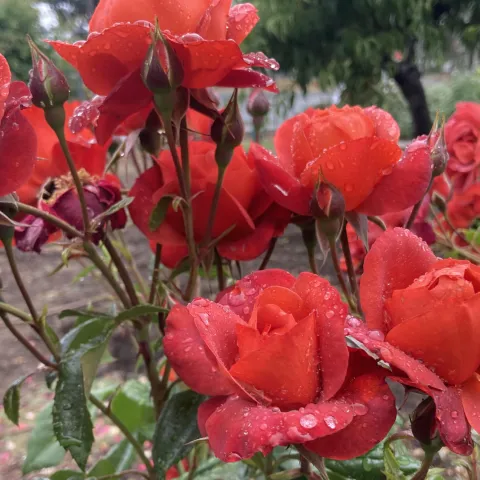
Red roses with raindrops
Fresno Gardening Green: Article

Rosie's corner: Plant new roses in your garden this month

December 1, 2025
By Jeannette Warnert
Ah, December is a time to relax (a bit) and be thankful for your beautiful blooms throughout the year. It is also a time of reflection. Is there a rose that is struggling? Did your roses meet your expectations for this year (and perhaps several years in the past)? Is it time for a change? Don’t be…
View Article