A Natural Solution for California's Herds: African Catfish Peptides

California's cattle producers and agricultural communities are all too familiar with the rising challenge of antibiotic resistance, making common bacterial infections harder to treat in livestock. But imagine a future where we could tackle these infections with a natural, powerful alternative. Our research points to just that: antimicrobial peptides (AMPs) found in African catfish.

We're really excited about these peptides because African catfish thrive in pathogen-rich freshwater, naturally producing these robust immune compounds in their skin mucus as a defense. This natural origin makes them highly appealing alternatives to synthetic drugs.

Predicted Safety and Potent Action

One of the most compelling aspects of these AMPs is their predicted safety for mammals. Our initial computer analyses suggest that various catfish AMPs are generally recognized as safe (GRAS). We predict they'll be absorbed in the human intestine without causing liver, brain, or heart toxicity. Furthermore, lab tests on a promising peptide, NACAP-II, confirmed it was non-hemolytic, meaning it didn't damage rabbit red blood cells—a strong indicator of its potential safety for mammalian cells.

Beyond safety, these peptides demonstrate effectiveness against problematic bacteria. One study revealed NACAP-II's strong activity against Extended-Spectrum Beta-Lactamase (ESBL)-producing Escherichia coli—a critical concern for both animal and human health due to its resistance to many common antibiotics. Another peptide, ACAP-IV, also showed antibacterial activity against E. coli and Staphylococcus aureus. We believe these AMPs work by directly disrupting bacterial cell membranes, a mechanism that makes it harder for bacteria to develop resistance compared to how they resist traditional antibiotics.
Primary Image
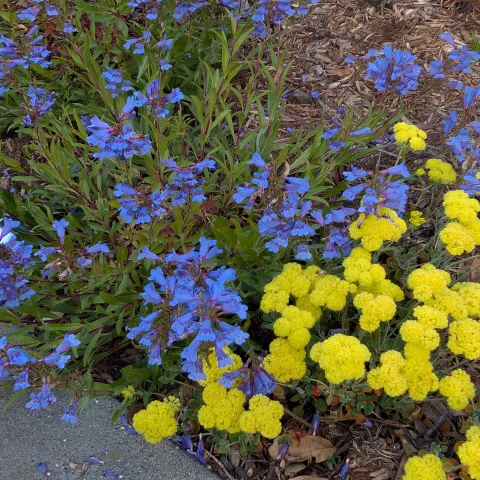
Penstemon and Buckwheat
UC Master Gardeners of San Mateo & San Francisco Counties: Article

Time to Plant California Natives

November 7, 2025
By Cathrin Callas
 Fall is the best time to plant most California natives. Cooler weather and rain get them off to a good start by helping them grow deep roots – perfect for seeds or transplants. Many nurseries and native plant groups have fall plant sales. In our introductory California native gardening web page, you’ll…
View Article
Elkus Ranch Environmental Education Center: Event

2025 Elkus Ranch Fall Camp

Event Date
Nov 25, 2025

Experience the magic of autumn at Elkus Ranch Fall Camp! Children will enjoy two days of fun with animals, crafts, learning, and play in a beautiful outdoor setting. Designed for kids ages 6–11, the camp offers hands-on activities that inspire curiosity, creativity, and a love for nature.
Elkus Ranch Environmental Education Center
View Event
Elkus Ranch Environmental Education Center: Event

2025 Elkus Ranch Fall Camp

Event Date
Nov 24, 2025

Experience the magic of autumn at Elkus Ranch Fall Camp! Children will enjoy two days of fun with animals, crafts, learning, and play in a beautiful outdoor setting. Designed for kids ages 6–11, the camp offers hands-on activities that inspire curiosity, creativity, and a love for nature.
Elkus Ranch Environmental Education Center
View Event
Primary Image
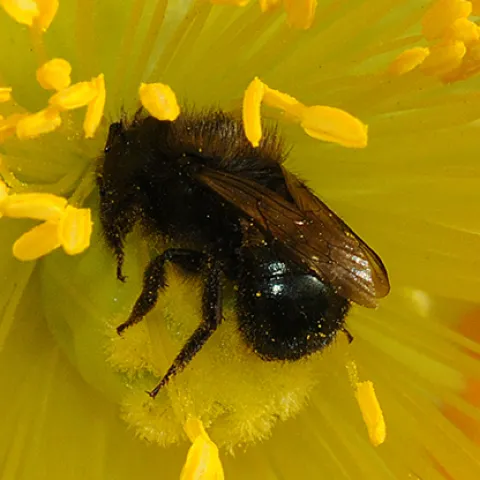
A blue orchard bee, Osmia lignaria. (Photo by Kathy Keatley Garvey)

Go Wild About Wild Bees at Bohart Museum of Entomology Open House

November 7, 2025
By Kathy Keatley Garvey
 "Have you ever wondered what pollinators are visiting your garden or what that black-and-yellow striped bug was? In California, we have an incredible diversity of insects, which may be more difficult to tell apart than you realize. At this interactive event, you will learn how to identify bees and…
View Article
Under the Solano Sun: Article

Overpruned Trees

November 7, 2025
By Jennifer M Baumbach
Blog by Brenda AltmanTrees are pruned for many reasons. Sometimes they are pruned to remove crowding or competing branches, which open up the canopy; other times they are pruned for safety reasons, a branch may be too low, or they might be trimmed for ornamental or aesthetic reasons. I cannot figure out why…
View Article
Event Primary Image
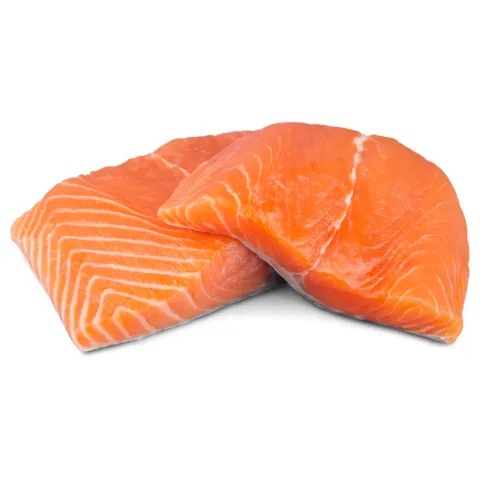
salmon
UC Master Food Preservers of Central Sierra: Event

Central Sierra: Amador County | Master Food Preserver| Sumptuous Salmon (Jackson)

Event Date
Feb 7, 2026

*Updated Class Description* The Master Food Preservers of Amador County invite you to a comprehensive pressure canning class. This class will demonstrate the safe and effective preservation of salmon fillets using professional pressure canning techniques. We also will demonstrate how to make gravlax. …
UC Master Food Preservers of Central Sierra
View Event
Primary Image
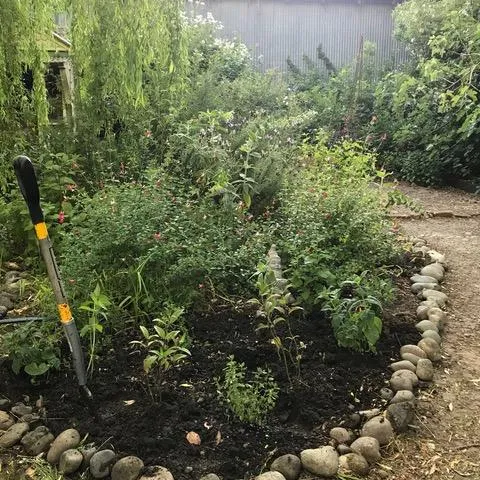
A tidy garden bed
Napa Master Gardener Column: Article

Preparing Your Garden For Winter

November 7, 2025
By Michael Lecours
By Cindy Watter, UC Master Gardener of Napa County.  We recently had our first rain of the fall season, followed by a cold morning.  Sure enough, when I walked outside later that day, all my soft-stemmed herbs were dead.  Fare thee well, basil, thyme and stevia.  Even the sage looked…
View Article
Placer County 4-H: Page

Returning Adult Volunteers

Welcome Back to 4-H!Thank you for your continued support as a 4-H adult volunteer. You play an important role in the development of young people, helping them to identify their spark and develop the skills and positive outcomes that lead to thriving. Below are the steps to being reappointed as a volunteer…
View Page
Primary Image
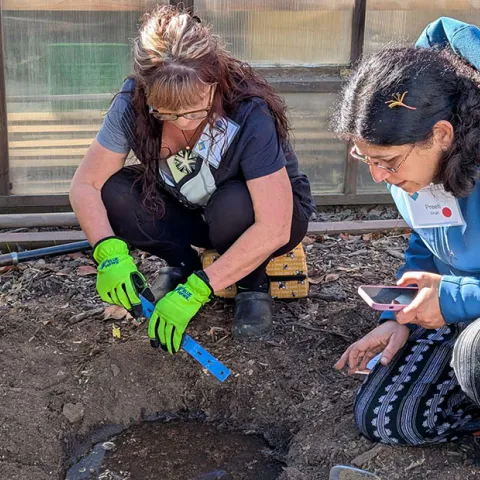
NVT2026-Trainees-Rivertown-by Dawn K.
UC Master Gardener Program of Contra Costa County: Page

Hybrid Learning, Hands-On Growth

 Introducing the 2026 New Volunteer Training Class2025 Fall TLD Article & Photo by Dawn Kooyumjian, CoCoMG Program CoordinatorI want to extend a warm welcome to our new trainees—the soon-to-be Class of 2026! It is an absolute pleasure getting to know everyone.  You bring a wide range of…
View Page