A Natural Solution for California's Herds: African Catfish Peptides

California's cattle producers and agricultural communities are all too familiar with the rising challenge of antibiotic resistance, making common bacterial infections harder to treat in livestock. But imagine a future where we could tackle these infections with a natural, powerful alternative. Our research points to just that: antimicrobial peptides (AMPs) found in African catfish.

We're really excited about these peptides because African catfish thrive in pathogen-rich freshwater, naturally producing these robust immune compounds in their skin mucus as a defense. This natural origin makes them highly appealing alternatives to synthetic drugs.

Predicted Safety and Potent Action

One of the most compelling aspects of these AMPs is their predicted safety for mammals. Our initial computer analyses suggest that various catfish AMPs are generally recognized as safe (GRAS). We predict they'll be absorbed in the human intestine without causing liver, brain, or heart toxicity. Furthermore, lab tests on a promising peptide, NACAP-II, confirmed it was non-hemolytic, meaning it didn't damage rabbit red blood cells—a strong indicator of its potential safety for mammalian cells.

Beyond safety, these peptides demonstrate effectiveness against problematic bacteria. One study revealed NACAP-II's strong activity against Extended-Spectrum Beta-Lactamase (ESBL)-producing Escherichia coli—a critical concern for both animal and human health due to its resistance to many common antibiotics. Another peptide, ACAP-IV, also showed antibacterial activity against E. coli and Staphylococcus aureus. We believe these AMPs work by directly disrupting bacterial cell membranes, a mechanism that makes it harder for bacteria to develop resistance compared to how they resist traditional antibiotics.

Event Primary Image
VERT Raccoon alan-alquist-9U29qHxd8YY-unsplash
UC Marin Master Gardeners: Event

Keeping Varmints at Bay

Event Date
Dec 10, 2025

Program: Do you look out the window and find your roses beheaded? Are your carefully cultivated fruits and vegetables partially eaten? Or, have your plants disappeared entirely? It’s likely your garden is being appreciated by deer, raccoons, gophers or rats. Come and get information and techniques to help…
UC Marin Master Gardeners
View Event
Nutrition Policy Institute News: Article

NPI presents at 34th Annual CACFP Conference

October 13, 2025
By Danielle Lee
Nutrition Policy Institute researchers will attend and present at the 34th Annual CACFP Conference, Oct. 20-22, 2025 in Monterey, Calif. The conference brings together over 400 stakeholders and community members of the federal Child and Adult Care Food Program. NPI's longtime CACFP researcher, Lorrene…
View Article
UCCE in the County of San Luis Obispo: Article

New World Screwworm – An Information Webinar for All Livestock Producers

October 13, 2025
By Mary V Stason
All livestock producers should know the risks of the New World Screwworm (NWS), how to recognize signs of NWS infestations and how to prepare for its possible introduction into California. NWS refers to a species of fly similar in size and appearance to the common blow fly but has maggots that burrow (screw)…
View Article
Primary Image
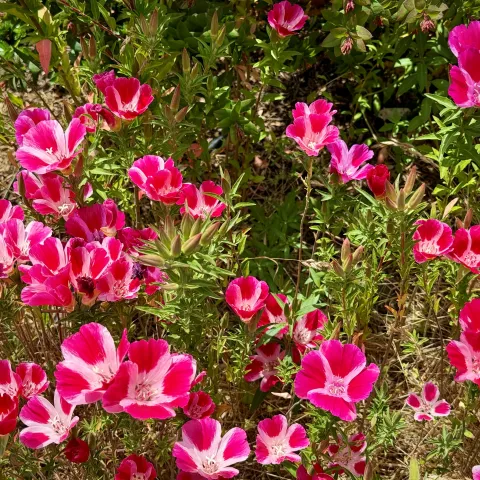
clarkia
UC Marin Master Gardeners: Article

Year-round native plant color

October 13, 2025
By Bonnie A Nielsen
 Native plants are often known for grand springtime displays followed by dismal summer and fall foliage. But that isn’t true for all native plants. A little research, careful planning, and conscientious planting can have your garden blooming with colorful, flowering, summer dry, winter wet native plants…
View Article
Primary Image
Headshot of Juan
Climate Smart Agriculture: Article

Welcome to our new Fresno CES, Juan Gonzales!

October 13, 2025
By Caddie Bergren
 Juan Gonzales is our newest Community Education Specialist with the UC ANR Climate Smart Agriculture Program based in Fresno County. He is thrilled to provide technical assistance to growers for climate smart agriculture practices. He grew up in Fresno County, in a small rural town named Kerman…
View Article
Event Primary Image
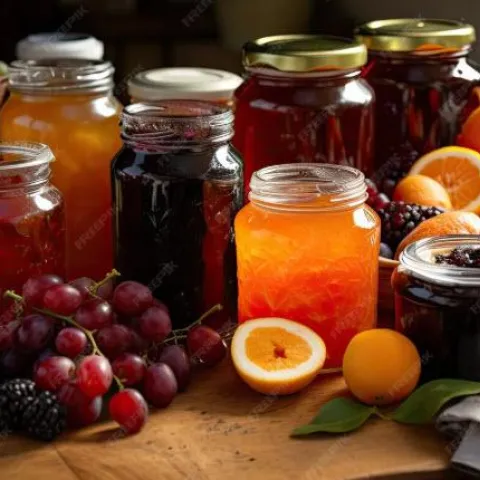
Jams & Jellies-CS
UC Master Food Preserver Program of Orange County: Event

La Palma Library: Jams & Jellies

Event Date
Oct 18, 2025

Come to the La Palma Public Library to learn ways to make and safely preserve jams and jellies.  The UC Master Food Preservers will demonstrate the techniques to safely make jams and jellies using the fruit from your garden, farmers market, or anywhere you get fresh produce.La Palma Library7842 Walker…
UC Master Food Preserver Program of Orange County
View Event
Primary Image
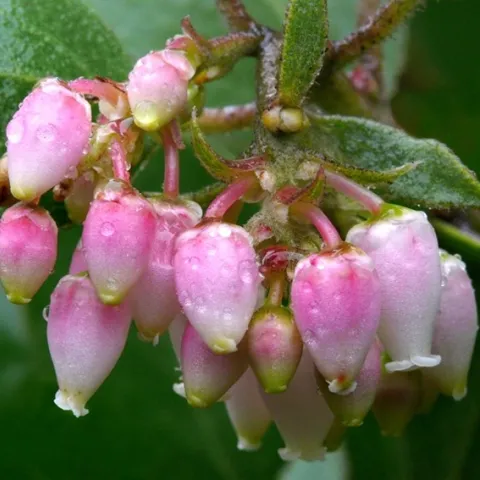
manzanita flowers
UC Marin Master Gardeners: Article

Manzanitas take a bow in winter and early spring

October 13, 2025
Like people, some plants demand center stage. California poppies and lupine are springtime darlings, followed by fragrant sage in summer and crimson maples in fall. But what about the supporting players who work hard but never seem to get the limelight? Cue the manzanitas. Manzanitas, aka Arctostaphylos…
View Article
Event Primary Image
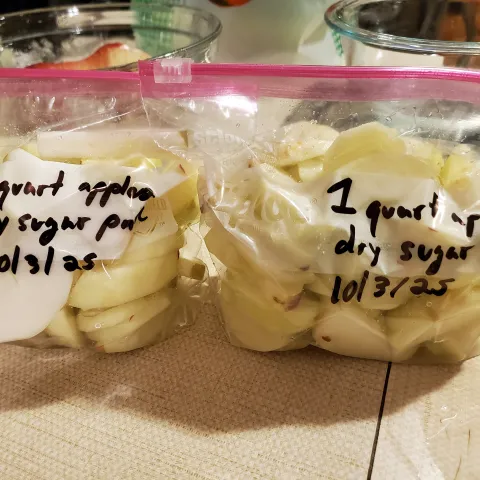
20251003_202019.jpg
UC Master Food Preserver: Event

From Orchard to Table: Apple Pie Filling & Freezing Apples (Online Delivery Program)

Event Date
Nov 19, 2025

The holidays are just around the corner! 🎉 From Orchard to Table: Apple Pie Filling & Freezing Apples is the second class in the Apples All Year series from the University of California Master Food Preservers. This free, live online class introduces safe, research-based methods for canning and…
UC Master Food Preserver
View Event