A Natural Solution for California's Herds: African Catfish Peptides

California's cattle producers and agricultural communities are all too familiar with the rising challenge of antibiotic resistance, making common bacterial infections harder to treat in livestock. But imagine a future where we could tackle these infections with a natural, powerful alternative. Our research points to just that: antimicrobial peptides (AMPs) found in African catfish.

We're really excited about these peptides because African catfish thrive in pathogen-rich freshwater, naturally producing these robust immune compounds in their skin mucus as a defense. This natural origin makes them highly appealing alternatives to synthetic drugs.

Predicted Safety and Potent Action

One of the most compelling aspects of these AMPs is their predicted safety for mammals. Our initial computer analyses suggest that various catfish AMPs are generally recognized as safe (GRAS). We predict they'll be absorbed in the human intestine without causing liver, brain, or heart toxicity. Furthermore, lab tests on a promising peptide, NACAP-II, confirmed it was non-hemolytic, meaning it didn't damage rabbit red blood cells—a strong indicator of its potential safety for mammalian cells.

Beyond safety, these peptides demonstrate effectiveness against problematic bacteria. One study revealed NACAP-II's strong activity against Extended-Spectrum Beta-Lactamase (ESBL)-producing Escherichia coli—a critical concern for both animal and human health due to its resistance to many common antibiotics. Another peptide, ACAP-IV, also showed antibacterial activity against E. coli and Staphylococcus aureus. We believe these AMPs work by directly disrupting bacterial cell membranes, a mechanism that makes it harder for bacteria to develop resistance compared to how they resist traditional antibiotics.
Primary Image
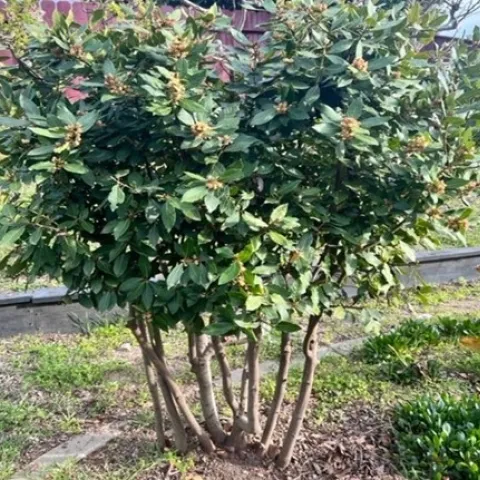
photo of 'Bubba' Desert Willow
Landscape Horticulture Updates for Southern California: Article

Invasive Trees to Avoid/Suggested Alternatives

January 5, 2022
By Janet S Hartin
Many previously welcomed urban tree species have outlived their stay, becoming invasive and crowding out other plants in our Southern California landscapes.
View Article
Primary Image
Organic Amendments Summary Page 1
Salinas Valley Agriculture: Article

On-Line Nitrogen Mineralization Tool Available

January 5, 2022
By Kelley L Sivertson
Richard Smith, Farm Advisor Daniel Geisseler, Professor of Nutrient Management at UC Davis has developed a tool for estimating the mineralization of nitrate-N from organic amendments.
View Article
Primary Image
photos by Ron Unger
Under the Solano Sun: Article

Bird-Strike Prevention for Wildlife-Friendly Gardens

January 5, 2022
Migratory birds along the Pacific Flyway are attracted to our Davis, California wildlife-friendly yard. Thanks to Audubon (https://www.audubon.org/news/reducing-collisions-glass) and Acopian Bird Savers (https://www.birdsavers.
View Article
Primary Image
citrus root health
Topics in Subtropics: Article

Citrus Microbiome Unlocked

January 5, 2022
By Ben A Faber
A UC Riverside-led team is looking at tiny underground microorganisms for a way to prevent a huge problem Huanglongbing, a disease with no cure that has decimated citrus orchards worldwide.
View Article
Primary Image
Camellia. (monrovia.com)
Napa Master Gardener Column: Article

Flowers in Your Winter Garden.

January 5, 2022
By Yvonne Rasmussen, UC Master Gardener of Napa County What flowers in the dead of winter in Napa County? With few pollinators active then, it's not a great time to have flowers that need pollination. Also, the weather is dicey. It could be cold or icy or raining and blowing.
View Article
Primary Image
An Argentine ant climbs up a spoon laden with honey. (Photo by Kathy Keatley Garvey)
Bug Squad: Article

Ants: 'The Little Things That Run the World'

January 4, 2022
By Kathy Keatley Garvey
The recent death of "Ant Man" E. O. Wilson brings back memories of a family-friendly seminar on ants that UC Davis Professor Phil Ward presented Feb. 20, 2021 during the UC Davis Biodiversity Museum Day/Month.
View Article