A Natural Solution for California's Herds: African Catfish Peptides

California's cattle producers and agricultural communities are all too familiar with the rising challenge of antibiotic resistance, making common bacterial infections harder to treat in livestock. But imagine a future where we could tackle these infections with a natural, powerful alternative. Our research points to just that: antimicrobial peptides (AMPs) found in African catfish.

We're really excited about these peptides because African catfish thrive in pathogen-rich freshwater, naturally producing these robust immune compounds in their skin mucus as a defense. This natural origin makes them highly appealing alternatives to synthetic drugs.

Predicted Safety and Potent Action

One of the most compelling aspects of these AMPs is their predicted safety for mammals. Our initial computer analyses suggest that various catfish AMPs are generally recognized as safe (GRAS). We predict they'll be absorbed in the human intestine without causing liver, brain, or heart toxicity. Furthermore, lab tests on a promising peptide, NACAP-II, confirmed it was non-hemolytic, meaning it didn't damage rabbit red blood cells—a strong indicator of its potential safety for mammalian cells.

Beyond safety, these peptides demonstrate effectiveness against problematic bacteria. One study revealed NACAP-II's strong activity against Extended-Spectrum Beta-Lactamase (ESBL)-producing Escherichia coli—a critical concern for both animal and human health due to its resistance to many common antibiotics. Another peptide, ACAP-IV, also showed antibacterial activity against E. coli and Staphylococcus aureus. We believe these AMPs work by directly disrupting bacterial cell membranes, a mechanism that makes it harder for bacteria to develop resistance compared to how they resist traditional antibiotics.
Primary Image
Three people stand on green hillside dotted with shrubs with blue sky and clouds background.
Green Blog: Article

Wildfire Fuel Mapper helps landowners manage vegetation, reduce fire risk

October 7, 2021
By Pamela S Kan-Rice
On the four-year anniversary of the devastating Tubbs and Nuns fires in Sonoma County, the University of California Cooperative Extension (UCCE) and Pepperwood Preserve are launching the Wildfire Fuel Mapper, a comprehensive toolkit to assist landowners in managing vegetation that may fuel wildfires...
View Article
UC 4-H Program of Tuolumne County: Article

Tuolumne County 4-H Tooter October 2021

October 6, 2021
In this issue: News from 4-H Council 4-H Drive Thru Dinner Teen Retreat Mother Lode Fair Dates Events Club Corner News from State Fashion Revue Committee Ambassador and Leadership Teams Speaks October 2021 Calendar of Events...
View Article
Primary Image
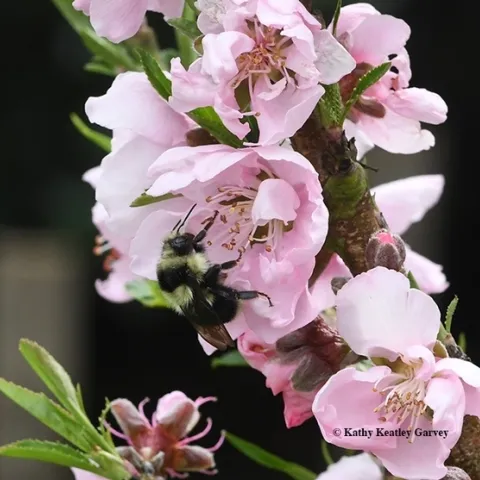
A Western tiger swallowtail, Papilio rutulus, nectaring on a butterfly bush, Buddleia davidii. Many nectar plants will be available at the UC Davis Arboretum Nursery online plant sales. (Photo by Kathy Keatley Garvey)
Bug Squad: Article

UC Davis Arboretum Teaching Nursery's Online Plant Sales Scheduled

October 6, 2021
By Kathy Keatley Garvey
If you've been thinking about bees, butterflies and other pollinators--and wondering when the next UC Davis Arboretum Teaching Nursery online plant sales will take place--mark your calendar. Members-Only Online Plant Sales with Curbside Pick-Up. You shop at the online plant store Tuesday, Oct.
View Article
Primary Image
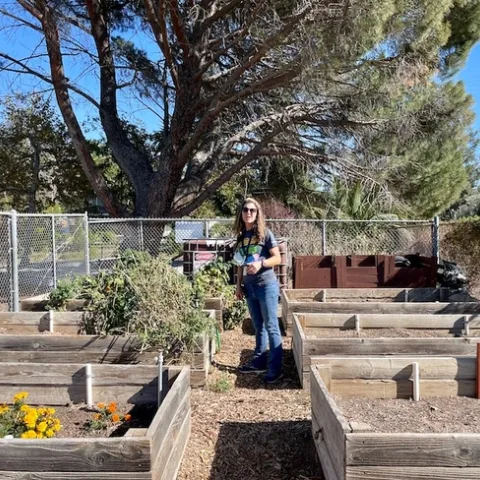
Phelan Elementary Garden - March 2020
UCCE Master Gardeners of San Bernardino County Blogs: Article

Debbie's Diary: The Power of School Gardens

October 6, 2021
By Deborah Schnur
As the seasons change, I'm excited to plant my fall garden and start my new part-time position as the Environmental Education Coordinator for UCCE San Bernardino County. I'll be working an average of eight hours a week, reporting to Maggie O'Neill, our amazing Master Gardener Coordinator.
View Article
Primary Image
Jay Rivera SNC UP4it
UCCE San Bernardino County Consumer and Family Science News: Article

Youth EFNEP Supports Summer Reading

October 6, 2021
By Christine Davidson
Youth EFNEP partnered with the San Bernardino City Unified School Districts' Family Engagement Center to help support their Summer Reading Program. Over 120 Kindergarten through Sixth graders joined the 6 week virtual program via Zoom.
View Article
Primary Image
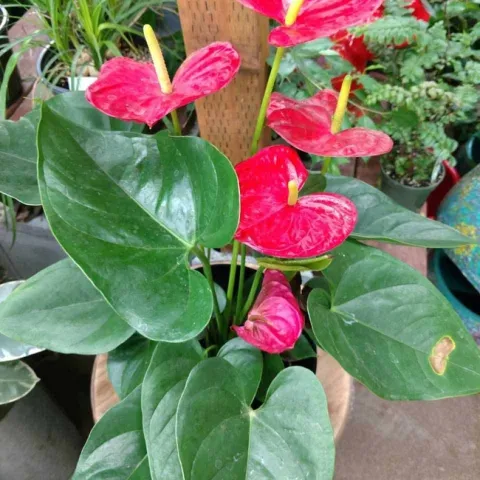
Oregano plant in pot.
Pests in the Urban Landscape: Article

New Resources for Herbs and Vegetables

October 6, 2021
Now is the time for planting cool-season vegetables like broccoli, carrots, and spinach. We are pleased to share new pest management resources for other cool season vegetables including beets, chard, radishes or turnips.
View Article
Nutrition Policy Institute News: Article

Nutrition Policy Institute’s Wendi Gosliner featured in Western Farm Press article on text messages to CalFresh participants on healthy produce

October 6, 2021
By Danielle Lee, Lorrene D Ritchie
Nutrition Policy Institute senior researcher and policy advisor, Wendi Gosliner, was featured in an article in Western FarmPress about a pilot program for San Diego County CalFresh participants to receive monthly text messages about the benefits of California-grown fruits and vegetables.
View Article