California's cattle producers and agricultural communities are all too familiar with the rising challenge of antibiotic resistance, making common bacterial infections harder to treat in livestock. But imagine a future where we could tackle these infections with a natural, powerful alternative. Our research points to just that: antimicrobial peptides (AMPs) found in African catfish.
We're really excited about these peptides because African catfish thrive in pathogen-rich freshwater, naturally producing these robust immune compounds in their skin mucus as a defense. This natural origin makes them highly appealing alternatives to synthetic drugs.
Predicted Safety and Potent Action
One of the most compelling aspects of these AMPs is their predicted safety for mammals. Our initial computer analyses suggest that various catfish AMPs are generally recognized as safe (GRAS). We predict they'll be absorbed in the human intestine without causing liver, brain, or heart toxicity. Furthermore, lab tests on a promising peptide, NACAP-II, confirmed it was non-hemolytic, meaning it didn't damage rabbit red blood cells—a strong indicator of its potential safety for mammalian cells.
Beyond safety, these peptides demonstrate effectiveness against problematic bacteria. One study revealed NACAP-II's strong activity against Extended-Spectrum Beta-Lactamase (ESBL)-producing Escherichia coli—a critical concern for both animal and human health due to its resistance to many common antibiotics. Another peptide, ACAP-IV, also showed antibacterial activity against E. coli and Staphylococcus aureus. We believe these AMPs work by directly disrupting bacterial cell membranes, a mechanism that makes it harder for bacteria to develop resistance compared to how they resist traditional antibiotics.

How the Public Will Benefit from the Bohart Museum's UC Davis CrowdFund Project


UC Davis Graduate Students to Present Their Research in ESA Competitions
November 2021: Integrating Native Plants in Your Edible Garden
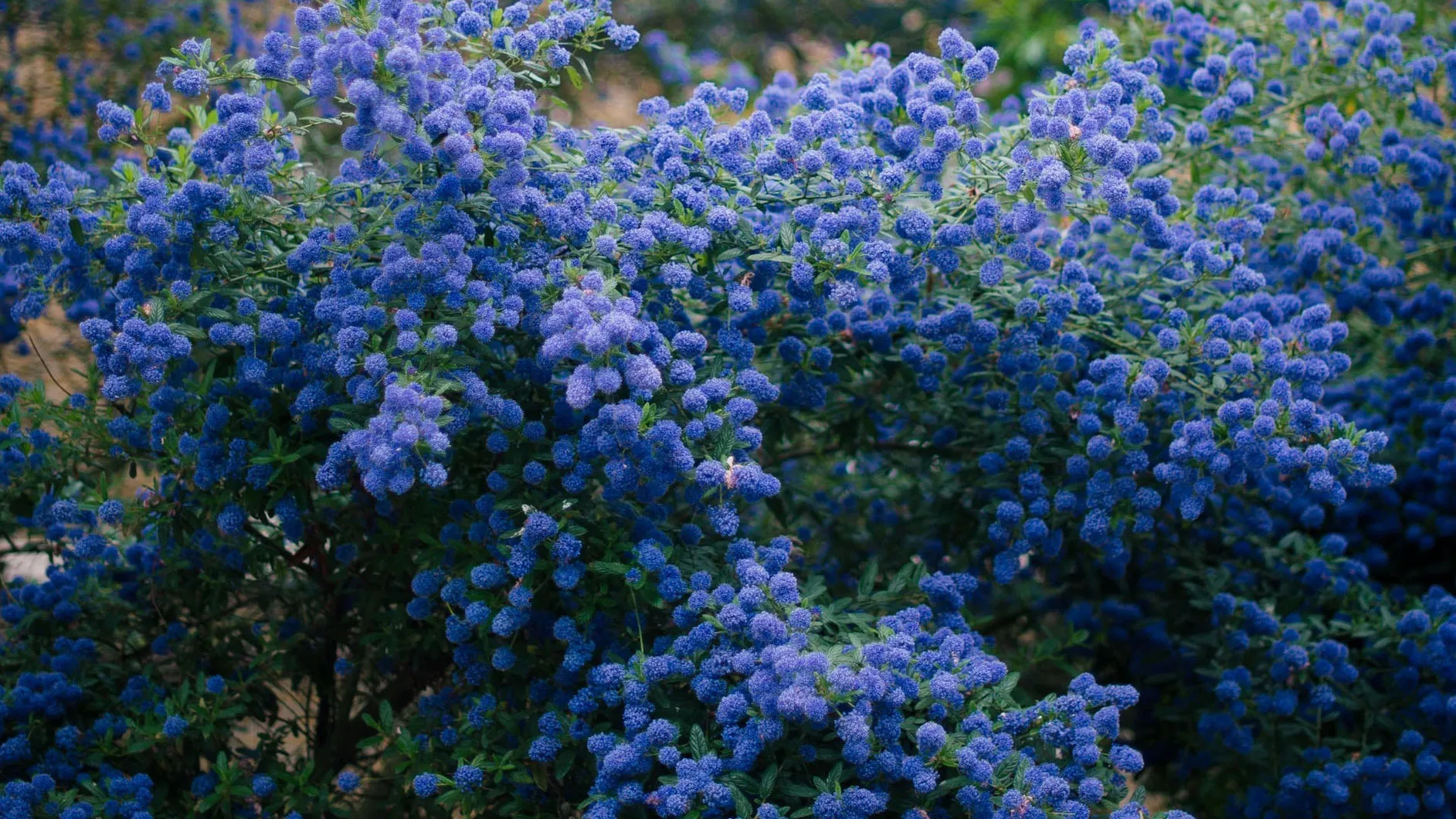
Natives help you reduce water use
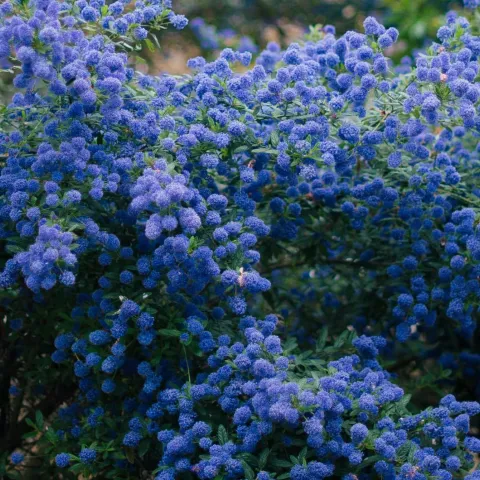
With drought conditions, many people are replacing their higher water use ornamentals or even lawns with native plants. With some native plants like our beautiful Ceanothus, you can stop irrigation totally once the plant is established. Many other plants, like Penstemon, and Salvias require no summer irrigation at all. As we experience more drought years, native plants will be essential for providing needed ornamentals in our landscaping. But why would we need these plants in an edibles garden?
They attract animal life that edible plants need
Native plants attract butterflies, insects, birds, and other animals by providing a consistent supply of nectar, pollen and seeds. They support a steady population of beneficial insects, both insects that pollinate and those that control pests. Native plants aid all kinds of pollinators including native bees, butterflies, moths, and other insects that pollinate our edibles. They also provide natural pest control by bringing to our gardens both predators and parasitic wasps, one of the most important biological controls that gardeners have. Predators like the aphid-eating lady beetle can find refuge under the plants, as well as native bees a nesting site for over-wintering. With native plants in your garden, you have built-in pollinators and pest control.
Natives support a healthy environment
Native plants have evolved to thrive in our native soil. Fertilizers are not needed and in fact, natives do not like rich soil or added compost. Also, because they are so great at attracting insects and animals that control garden pests, there is no need or less need for pesticides in your garden.
Easy to care for
At the end of the summer in the edibles garden, our team spends a lot of time cleaning up plant debris and adding compost to our soil. Native plants need none of this except for some deadheading of flowers and cutting back. For natives, it is best to do minimal ground clean up in the fall so that beneficial insects have the protection to successfully over-winter and emerge healthy in the spring. The native plant area decreases the impact of the more intense edibles clean up that is necessary to reduce diseases in the soil. Our beneficial insects will have their own refuge for the winter.
If you are considering adding some natives to your garden this fall, here is the list of plants that the Native Plant Guild chose for ours. This was an amazing gift to our garden.
| SHRUBS | |
 | Ceanothus 'Concha'; Concha California lilac |
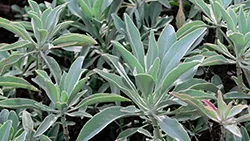 | Salvia apiana; Sacred white sage |
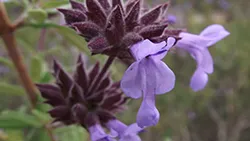 | Salvia brandegeei; Brandegee's sage |
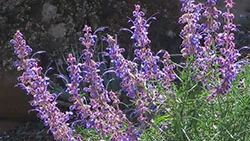 | Trichostema lanatum; Woolly blue curls |
| PERENNIALS | |
 | Anaphalis margaritacea; Western pearly everlasting |
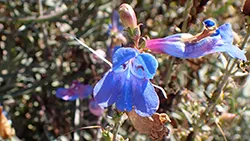 | Penstemon ‘Blue Springs’; Electric blue penstamon |
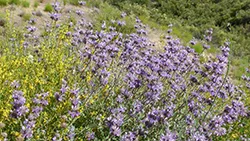 | Salvia clevelandii ‘Pozo Blue’; Grey musk sage |
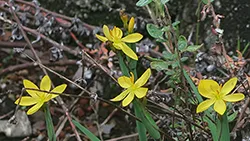 | Sisyrinchium californicum; Yellow-eyed grass |
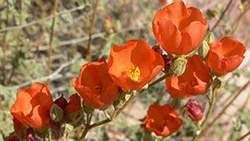 | Sphaeralcea ambigua; Apricot mallow |