A Natural Solution for California's Herds: African Catfish Peptides

California's cattle producers and agricultural communities are all too familiar with the rising challenge of antibiotic resistance, making common bacterial infections harder to treat in livestock. But imagine a future where we could tackle these infections with a natural, powerful alternative. Our research points to just that: antimicrobial peptides (AMPs) found in African catfish.

We're really excited about these peptides because African catfish thrive in pathogen-rich freshwater, naturally producing these robust immune compounds in their skin mucus as a defense. This natural origin makes them highly appealing alternatives to synthetic drugs.

Predicted Safety and Potent Action

One of the most compelling aspects of these AMPs is their predicted safety for mammals. Our initial computer analyses suggest that various catfish AMPs are generally recognized as safe (GRAS). We predict they'll be absorbed in the human intestine without causing liver, brain, or heart toxicity. Furthermore, lab tests on a promising peptide, NACAP-II, confirmed it was non-hemolytic, meaning it didn't damage rabbit red blood cells—a strong indicator of its potential safety for mammalian cells.

Beyond safety, these peptides demonstrate effectiveness against problematic bacteria. One study revealed NACAP-II's strong activity against Extended-Spectrum Beta-Lactamase (ESBL)-producing Escherichia coli—a critical concern for both animal and human health due to its resistance to many common antibiotics. Another peptide, ACAP-IV, also showed antibacterial activity against E. coli and Staphylococcus aureus. We believe these AMPs work by directly disrupting bacterial cell membranes, a mechanism that makes it harder for bacteria to develop resistance compared to how they resist traditional antibiotics.
Primary Image
olive blog pic nforrest
Under the Solano Sun: Article

Olive Harvesting

April 27, 2021
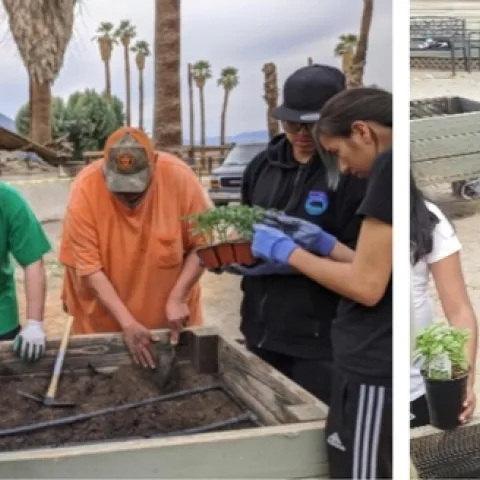
This fall I signed up at Be Love Farms[1] (which is an organic winery and regenerative farm) to assist with harvesting of Olives and making Olive Oil. It was a fascinating day. the fruits of my labor netted me a few bottles of their Olive Oil and a wonderful lunch.
View Article
ANR Employee News: Article

ANR Staff Assembly seeks active members

April 27, 2021
By Pamela S Kan-Rice
The mission of the University of California Agriculture and Natural Resources (UC ANR) Staff Assembly is to cultivate satisfied, dedicated and professional staff and to work with UC ANR Senior Leadership and other members of the ANR community to promote the interest and welfare of all staff employee...
View Article
Primary Image
161995
UC Delivers: Article

2016 to 2019: 4-H boosts reach with Latino youth by 104%

April 27, 2021
By Steven Worker, John A Borba, Katherine E Soule, Liliana Vega, Lynn Schmitt-McQuitty, Jose A Campos, Maria E De La Fuente, Diego A Mariscal
Over 39% of Californians identify as Hispanic or Latino. Growth estimates project that Latinos will make up half of all Californians by 2060. In the K-12 public school system, more than 54% of students identify as Latino or Hispanic.
View Article
Kern County: Article

Kern UCCE/DWR Weekly Crop Water Use Report 04-26-2021

April 27, 2021
Please see below link to access "How To Use Weekly Crop Water Use (ET) Reports to Assist Farm Water Management" How to Use Weekly Crop Water Use Report Please see below link to access "Weekly ET Report 04-26-2021" ET Report 04-26-2021 Please see disclaimer link below: University of California Divisi...
View Article
Primary Image
Harvesting organic alfalfa hay in Yolo County.
Alfalfa & Forage News: Article

Organic alfalfa hay cost study released

April 27, 2021
By Rachael Long
A new study that outlines costs and returns of establishing and producing organic alfalfa hay has been released by UC Cooperative Extension, the UC Agricultural Issues Center and the UC Davis Department of Agricultural and Resource Economics.
View Article
Primary Image
A common crane fly, Tipula oleracea, on a tower of jewels, Echium wildpretii. (Photo by Kathy Keatley Garvey)
Bug Squad: Article

You Don't Have to Crane Your Neck to See Them

April 26, 2021
By Kathy Keatley Garvey
They're out there, and you don't have to crane your neck to see them. Some folks mistakenly call them "mosquito hawks" or "mosquito eaters," but they are neither. They are crane flies, members of the family Tipulidae of the order Diptera (flies). They're everywhere.
View Article