A Natural Solution for California's Herds: African Catfish Peptides

California's cattle producers and agricultural communities are all too familiar with the rising challenge of antibiotic resistance, making common bacterial infections harder to treat in livestock. But imagine a future where we could tackle these infections with a natural, powerful alternative. Our research points to just that: antimicrobial peptides (AMPs) found in African catfish.

We're really excited about these peptides because African catfish thrive in pathogen-rich freshwater, naturally producing these robust immune compounds in their skin mucus as a defense. This natural origin makes them highly appealing alternatives to synthetic drugs.

Predicted Safety and Potent Action

One of the most compelling aspects of these AMPs is their predicted safety for mammals. Our initial computer analyses suggest that various catfish AMPs are generally recognized as safe (GRAS). We predict they'll be absorbed in the human intestine without causing liver, brain, or heart toxicity. Furthermore, lab tests on a promising peptide, NACAP-II, confirmed it was non-hemolytic, meaning it didn't damage rabbit red blood cells—a strong indicator of its potential safety for mammalian cells.

Beyond safety, these peptides demonstrate effectiveness against problematic bacteria. One study revealed NACAP-II's strong activity against Extended-Spectrum Beta-Lactamase (ESBL)-producing Escherichia coli—a critical concern for both animal and human health due to its resistance to many common antibiotics. Another peptide, ACAP-IV, also showed antibacterial activity against E. coli and Staphylococcus aureus. We believe these AMPs work by directly disrupting bacterial cell membranes, a mechanism that makes it harder for bacteria to develop resistance compared to how they resist traditional antibiotics.


Intermountain Research and Extension Center: Page

Contact Us

How to Reach UsIntermountain Research and Extension CenterPO Box 8502816 Havlina RoadTulelake, CA 96134Phone: (530) 667-5117 Questions or Comments?Meet Our Team   Robert G WilsonFarm Advisor/ DirectorPhone: (530) 667-5117Email: rgwilson@ucanr.edu     Darrin A…
View Page
Primary Image
Houseplants
Fresno Gardening Green: Article

Why grow indoor plants and how to care for them

September 12, 2025
By Haramrit Gill
Indoor plants are a beautiful and practical addition to any home or office, offering numerous benefits that go beyond their aesthetic appeal. These ornamental plants are cultivated indoors and are typically chosen for their ability to thrive in low-light conditions and require minimal maintenance. Most…
View Article
Primary Image
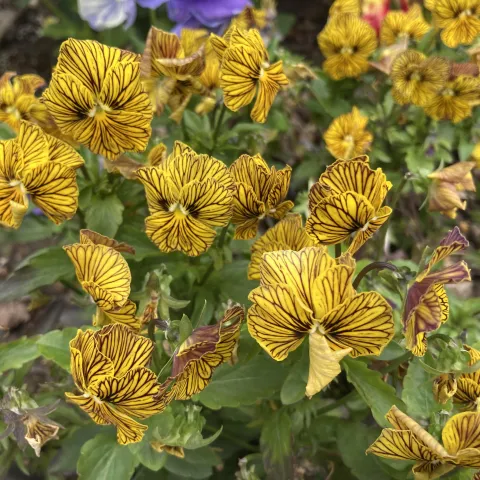
Striped pansies
Fresno Gardening Green: Article

This week in the garden: Sept. 12 - 18

September 12, 2025
By Jeannette Warnert
If you don’t have a fall or winter garden, prepare for spring planting.TasksRepair damaged spots in cool-season lawns (such as tall fescue) by scratching with a rake, seeding and covering with mulch. Keep moist until the new grass seedlings are well established. Warm-season lawns like Bermuda grass will soon…
View Article
Event Primary Image
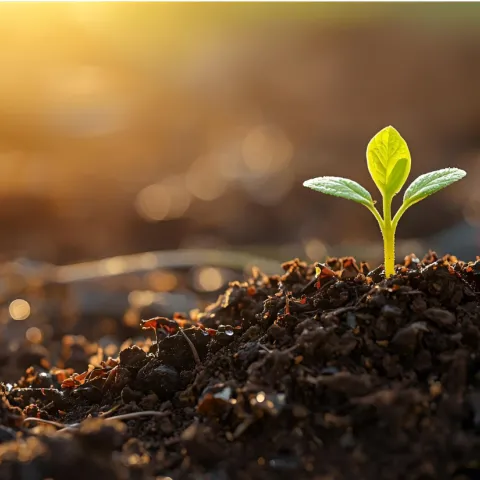
Sunlight on a tiny plant sprouting in a mound of compost
UC Master Gardeners of Monterey & Santa Cruz Counties: Event

Backyard and Worm Composting Workshop

Event Date
Sep 27, 2025

 Learn how to turn your kitchen scraps and yard trimmings into a nutrient-rich soil amendment.Workshops are FREE and bilingual. 
UC Master Gardeners of Monterey & Santa Cruz Counties
View Event
Nutrition Policy Institute News: Article

Combining school environment changes with SNAP-Ed lessons improves student diets

September 11, 2025
By Summer J Cortez, Reka Vasicsek, Amanda M Linares, Miranda W Brown
The Nutrition Policy Institute is excited to share our latest peer-reviewed publication in the Journal of Community Health, “Dietary Effects of School-Based SNAP-Ed Education with and without Policy, Systems, and Environmental Change Strategies.” This study examines how Supplemental Nutrition Assistance…
View Article
Topics in Subtropics: Article

Coming to a Euc Near You?

September 11, 2025
By Ben A Faber
Approximately 90 of the more than 700 species in the tree genus Eucalyptus have been introduced into North America over the last 150 years. Eucalyptus spp. are native to Australia and New Guinea. Many residents of California find the growth form, evergreen foliage, floral show, and other…
View Article
Primary Image
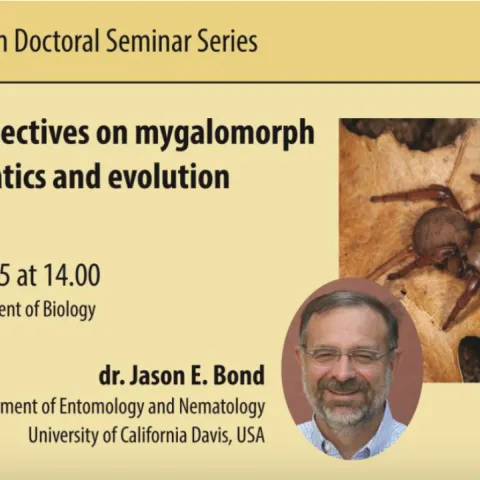
Lecture that Professor Jason Bond delivered.
Bug Squad: Article

Sharing Spider Research in Slovenia

September 11, 2025
By Kathy Keatley Garvey
 It's not often that a UC Davis scientist heads to Slovenia to share expertise on trapdoor spiders.As a Fulbright Special Program award recipient, Professor Jason Bond is doing just that. He's meeting with scientists and presenting talks at the National Institute of Biology (NIB) in Slovenia. …
View Article