A Natural Solution for California's Herds: African Catfish Peptides

California's cattle producers and agricultural communities are all too familiar with the rising challenge of antibiotic resistance, making common bacterial infections harder to treat in livestock. But imagine a future where we could tackle these infections with a natural, powerful alternative. Our research points to just that: antimicrobial peptides (AMPs) found in African catfish.

We're really excited about these peptides because African catfish thrive in pathogen-rich freshwater, naturally producing these robust immune compounds in their skin mucus as a defense. This natural origin makes them highly appealing alternatives to synthetic drugs.

Predicted Safety and Potent Action

One of the most compelling aspects of these AMPs is their predicted safety for mammals. Our initial computer analyses suggest that various catfish AMPs are generally recognized as safe (GRAS). We predict they'll be absorbed in the human intestine without causing liver, brain, or heart toxicity. Furthermore, lab tests on a promising peptide, NACAP-II, confirmed it was non-hemolytic, meaning it didn't damage rabbit red blood cells—a strong indicator of its potential safety for mammalian cells.

Beyond safety, these peptides demonstrate effectiveness against problematic bacteria. One study revealed NACAP-II's strong activity against Extended-Spectrum Beta-Lactamase (ESBL)-producing Escherichia coli—a critical concern for both animal and human health due to its resistance to many common antibiotics. Another peptide, ACAP-IV, also showed antibacterial activity against E. coli and Staphylococcus aureus. We believe these AMPs work by directly disrupting bacterial cell membranes, a mechanism that makes it harder for bacteria to develop resistance compared to how they resist traditional antibiotics.
Primary Image
Wisteria by Mike Gunther
Under the Solano Sun: Article

Sneezy Miku

April 8, 2021
Sun higher in sky Spring blossoms; colorful hues Bugs, pollen, allergies...
View Article
Primary Image
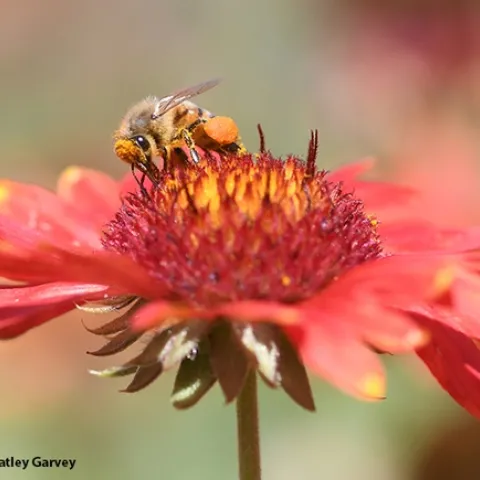
A honey bee takes a break and cleans her proboscis (tongue) after foraging on a citrus blossom. (Photo by Kathy Keatley Garvey)
Bug Squad: Article

Cleaning the Tongue: A, B, C

April 7, 2021
By Kathy Keatley Garvey
So here you are, a honey bee seeking nectar from an unopened citrus blossom. And then your tongue (proboscis) becomes all sticky with pollen, nectar and other particles. What to do: you, the worker bee, take a brief break and clean your tongue. Problem solved.
View Article
Article

Listen To "Seed Starting" on In The Garden Radio

April 7, 2021
Teena and Katrina step you through the process in the most descriptive manner you can imagine. This show would be perfect to have in your portable player to have on hand while you are ready to follow along and get set for the upcoming planting season.
View Article
Primary Image
Buttercup oxalis
The Coastal Gardener : Article

Battling Buttercups

April 7, 2021
By Sherida J Phibbs
Buttercup oxalis, that is otherwise known as Bermuda buttercup, sour grass, or oxalis pes-caprae. This South African invader has charm. Its lemon-yellow flowers nodding over emerald leaves makes a lush foreground to the gray-blues of sea and sloughs.
View Article
Primary Image
NASA created a three-dimensional portrait of methane concentrations around the world. Methane is the second largest contributor to greenhouse gases warming the earth, after carbon dioxide.
Food Blog: Article

Fighting hunger and building planet health go hand in hand

April 7, 2021
By Jeannette Warnert
University leaders, faculty and students from across the U.S. and around the world are working together to tackle a complex set of challenges that prevent millions of people from getting enough of the right foods.
View Article
Primary Image
Fingerlimes
Topics in Subtropics: Article

Finger Limes and HLB?

April 7, 2021
By Ben A Faber
Citrus Industry The Australian finger lime, a citrus relative, could be a new specialty crop for Florida citrus growers. Traditionally, finger limes have remained rare in the United States, grown few and far between.
View Article
Primary Image
april newsletter 2
Ranching in the Sierra Foothills: Article

Shepherding Fire

April 6, 2021
By Daniel K Macon
Lessons from our first Prescribed Fire on Working Landscapes Workshop As I wrote in a blog post in February (Working with Fire), at one time, fire and fire agencies were part of the ranching culture of the foothill communities where I grew up.
View Article