A Natural Solution for California's Herds: African Catfish Peptides

California's cattle producers and agricultural communities are all too familiar with the rising challenge of antibiotic resistance, making common bacterial infections harder to treat in livestock. But imagine a future where we could tackle these infections with a natural, powerful alternative. Our research points to just that: antimicrobial peptides (AMPs) found in African catfish.

We're really excited about these peptides because African catfish thrive in pathogen-rich freshwater, naturally producing these robust immune compounds in their skin mucus as a defense. This natural origin makes them highly appealing alternatives to synthetic drugs.

Predicted Safety and Potent Action

One of the most compelling aspects of these AMPs is their predicted safety for mammals. Our initial computer analyses suggest that various catfish AMPs are generally recognized as safe (GRAS). We predict they'll be absorbed in the human intestine without causing liver, brain, or heart toxicity. Furthermore, lab tests on a promising peptide, NACAP-II, confirmed it was non-hemolytic, meaning it didn't damage rabbit red blood cells—a strong indicator of its potential safety for mammalian cells.

Beyond safety, these peptides demonstrate effectiveness against problematic bacteria. One study revealed NACAP-II's strong activity against Extended-Spectrum Beta-Lactamase (ESBL)-producing Escherichia coli—a critical concern for both animal and human health due to its resistance to many common antibiotics. Another peptide, ACAP-IV, also showed antibacterial activity against E. coli and Staphylococcus aureus. We believe these AMPs work by directly disrupting bacterial cell membranes, a mechanism that makes it harder for bacteria to develop resistance compared to how they resist traditional antibiotics.

Primary Image
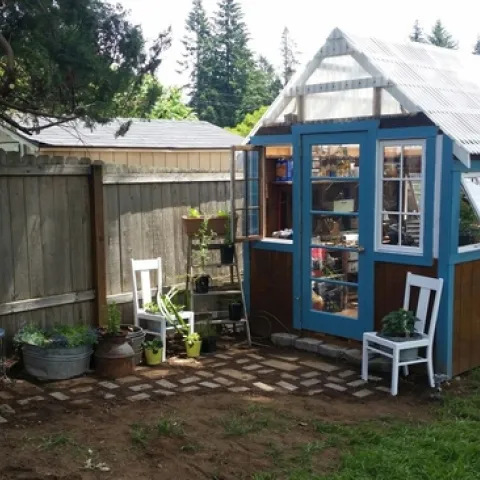
Shady garden (sunset.com)

Shady Spot Suggestions.

February 12, 2021
By Susanne von Rosenberg, UC Master Gardener of Napa County One of the challenges many gardeners face is how to make shady spots look good. Fortunately, many beautiful, flowering native plants thrive in shade. When you are planning your shade garden, analyze what kind of shade you're dealing with.
View Article
Primary Image
Michael Zwahlen's family really digs gardening. One of many ANR staff members who participated in ANR GROW, Zwahlen planted vegetables.
ANR Employee News: Article

ANR GROWS bears fruit

February 12, 2021
By Pamela S Kan-Rice
ANR Staff Assembly's ANR GROWS program was so successful in 2020, they plan to offer it again this year, according to Marvin Flores, Staff Assembly chair for 2020-21.
View Article
Primary Image
Research scientist Brian Weiss
Entomology & Nematology News: Article

Brian Weiss Seminar on Tsetse Fly Holobiont

February 12, 2021
By Kathy Keatley Garvey
Research scientist and lecturer Brian Weiss of Yale University's Epidemiology of Microbial Diseases, New Haven, Conn., will speak on "Metabolic Complementation Between Members of the Tsetse Fly Holobiont" at the next UC Davis Department of Entomology and Nematology seminar, set for 4:10 p.m.
View Article
Primary Image
The Asian giant hornet, Vespa mandarinia, will be the topic of a UC Davis Biodiversity Museum Month program at 1 p.m. on Thursday, Feb. 18 when Professor Lynn Kimsey, director of the Bohart Museum of Entomology, presents a live talk. (Photo courtesy of the Washington State Department of Agriculture)
Entomology & Nematology News: Article

Hornets, Ants and Bees: UC Davis Biodiversity Museum Month

February 12, 2021
By Kathy Keatley Garvey
Asian giant hornets, ants and honey bees will be among the topics featured in live talks and demonstrations hosted by the UC Davis Biodiversity Museum Month. The web page, Live Talks and Demonstrations, provides more information and the Zoom links. All presentations are free and family friendly.
View Article
Monterey County: Article

4-H Leader's Council February 16th, meeting 2021

February 12, 2021
Dear 4-H families, On Tuesday, February 16th, the 4-H Leaders Council will hold its monthly meeting at 7pm. The meeting will be held on ZOOM. (see info below) All 4-H families are invited to attend and take part in the councils discussion and planning.
View Article
Primary Image
Mixed-Vegetable-Quick-Pickles-004
Preservation Notes - San Joaquin Master Food Preservers: Article

Just like our children: learn virtually

February 12, 2021
By William Loyko Jr.
Covid-19 has changed the way we communicate, the way we meet with friends and family and the way we teach and learn. Across our county and the state, teachers have learned to be creative, even more than before, and conduct all their classes using virtual media.
View Article
Primary Image
horseweed

So Much to Learn

February 12, 2021
By Ben A Faber
Recording of the January 2021 webinar on Current Challenges for Avocado Weed Management by Sonia Rios is now available on YouTube playlist - https://youtu.be/7zFFeJWGvyE For February we have scheduled presentation about Citrus Mites (Wednesday February 17 at 3 p.m.).
View Article
Primary Image
Douglas iris, Copyright UC Regents, Joseph DiTommaso
The Real Dirt: Article

Landscaping Under Trees

February 12, 2021
Northstate residents prize large trees for their beauty and the shade they provide. There are other environmental benefits to mature trees as well. They encourage biodiversity, offset carbon emissions, and reduce energy costs for the homeowner.
View Article