A Natural Solution for California's Herds: African Catfish Peptides

California's cattle producers and agricultural communities are all too familiar with the rising challenge of antibiotic resistance, making common bacterial infections harder to treat in livestock. But imagine a future where we could tackle these infections with a natural, powerful alternative. Our research points to just that: antimicrobial peptides (AMPs) found in African catfish.

We're really excited about these peptides because African catfish thrive in pathogen-rich freshwater, naturally producing these robust immune compounds in their skin mucus as a defense. This natural origin makes them highly appealing alternatives to synthetic drugs.

Predicted Safety and Potent Action

One of the most compelling aspects of these AMPs is their predicted safety for mammals. Our initial computer analyses suggest that various catfish AMPs are generally recognized as safe (GRAS). We predict they'll be absorbed in the human intestine without causing liver, brain, or heart toxicity. Furthermore, lab tests on a promising peptide, NACAP-II, confirmed it was non-hemolytic, meaning it didn't damage rabbit red blood cells—a strong indicator of its potential safety for mammalian cells.

Beyond safety, these peptides demonstrate effectiveness against problematic bacteria. One study revealed NACAP-II's strong activity against Extended-Spectrum Beta-Lactamase (ESBL)-producing Escherichia coli—a critical concern for both animal and human health due to its resistance to many common antibiotics. Another peptide, ACAP-IV, also showed antibacterial activity against E. coli and Staphylococcus aureus. We believe these AMPs work by directly disrupting bacterial cell membranes, a mechanism that makes it harder for bacteria to develop resistance compared to how they resist traditional antibiotics.
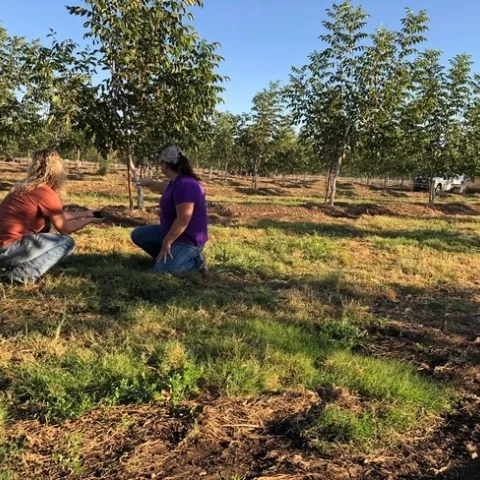

Fresno County 4-H: Article

February 2021 Guidelines

February 5, 2021
In This Edition: Fresno County 4-H Leaders Council & Committee Mtgs., Pg. 2 Annual California State 4-H Report, Pg. 2 CCLS (Community Club Leaders) - Need to Know!, Pg. 2 Check out our Fresno County 4-H Website!, Pg. 3 Community Service Online Reporting, Pg.
View Article
Primary Image
photo by Michelle Davis
Under the Solano Sun: Article

Mint

February 5, 2021
Years ago, long before I became a UCCE Master Gardener, I planted an herbal tea garden in a west-facing sunny area of my backyard. I haven't used most of the herbs so much for the purpose of making tisanes or cups of tea, but I have really enjoyed the scent while working in that area.
View Article
Primary Image
avocado vars mex guat west
Topics in Subtropics: Article

Plant Breeding

February 5, 2021
By Ben A Faber
By sustainablesecurefoodblog Not many of us see Model T cars on the road today. This 1920's era car made car travel accessible for the middle class, but its last production was in 1927. Yet, some of the engineering that went into the Model T still has an impact on today's cars.
View Article
Primary Image
Amaryllis belladonna, Laura Lukes
The Real Dirt: Article

Summer-Blooming Bulbs

February 5, 2021
Most bulbs, including most native plant bulbs, are planted in the fall, but February is an ideal time to plant several summer-blooming bulbs.
View Article
Primary Image
Bowl of guacamole with tortilla chips on the side.
Pests in the Urban Landscape: Article

IPM for Super Bowl Snacks

February 4, 2021
With the Super Bowl coming up this weekend, you may be planning delicious snacks to enjoy while watching the game. We, on the other hand, are thinking about how IPM can help home gardeners with some of the fruits and vegetables they grow that might be enjoyed on Super Bowl Sunday.
View Article