A Natural Solution for California's Herds: African Catfish Peptides

California's cattle producers and agricultural communities are all too familiar with the rising challenge of antibiotic resistance, making common bacterial infections harder to treat in livestock. But imagine a future where we could tackle these infections with a natural, powerful alternative. Our research points to just that: antimicrobial peptides (AMPs) found in African catfish.

We're really excited about these peptides because African catfish thrive in pathogen-rich freshwater, naturally producing these robust immune compounds in their skin mucus as a defense. This natural origin makes them highly appealing alternatives to synthetic drugs.

Predicted Safety and Potent Action

One of the most compelling aspects of these AMPs is their predicted safety for mammals. Our initial computer analyses suggest that various catfish AMPs are generally recognized as safe (GRAS). We predict they'll be absorbed in the human intestine without causing liver, brain, or heart toxicity. Furthermore, lab tests on a promising peptide, NACAP-II, confirmed it was non-hemolytic, meaning it didn't damage rabbit red blood cells—a strong indicator of its potential safety for mammalian cells.

Beyond safety, these peptides demonstrate effectiveness against problematic bacteria. One study revealed NACAP-II's strong activity against Extended-Spectrum Beta-Lactamase (ESBL)-producing Escherichia coli—a critical concern for both animal and human health due to its resistance to many common antibiotics. Another peptide, ACAP-IV, also showed antibacterial activity against E. coli and Staphylococcus aureus. We believe these AMPs work by directly disrupting bacterial cell membranes, a mechanism that makes it harder for bacteria to develop resistance compared to how they resist traditional antibiotics.
Primary Image
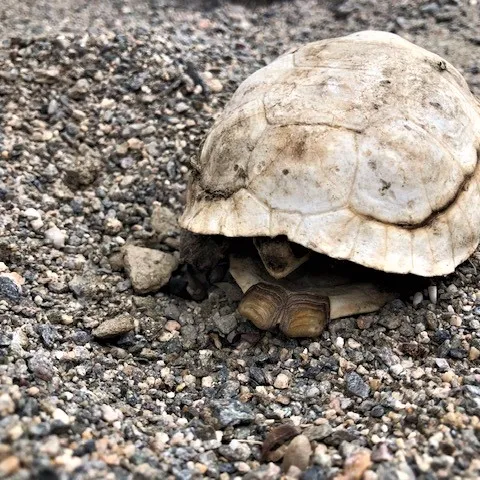
a Desert tortoise with it's head mostly tucked in.
UC Environmental Stewards Blog: Article

Tomorrow’s environments will be different

March 20, 2021
A "Natural History Note" From UC California Naturalist's lead scientist, Dr. Cameron Barrows. In nature, species are constantly striving to be better species.
View Article
Primary Image
Lynn Kimsey, director of the Bohart Museum of Entomology and UC Davis professor of entomology. (Photo by Kathy Keatley Garvey)
Bug Squad: Article

Happy Taxonomists' Appreciation Day!

March 19, 2021
By Kathy Keatley Garvey
Have you hugged your taxonomist yet today? No? Probably can't due to the COVID-19 pandemic, but at least we can honor them every March 19 on Taxonomists' Appreciation Day. Basically, taxonomy is the science of describing, naming, defining and classifying organisms, both alive and extinct.
View Article
Glenn County: Article

Prune - Bloom 2021

March 19, 2021
In this issue: Orchard Considerations Mechanical Pruning of Prune Trees Update Bloom Review, 2020 Prune Efficacy and Timing...
View Article
Article

The Interpretive Plan

March 19, 2021
By Dustin W Blakey
The original interpretative plan for the garden included: Developing a brochure providing the visitor with basic orientation and interpretation of the garden and encouragement to visit the garden.
View Article
Monterey County: Article

4-H Monterey County COVID Safety update March

March 19, 2021
COVID-19 Information for 4-H Programs and Volunteers University of California 4-H Youth Development Program modified its safety standards related to reopening and engaging in person. UC ANR implemented Basic Safety Standards that must be followed for all in-person activities.
View Article
Primary Image
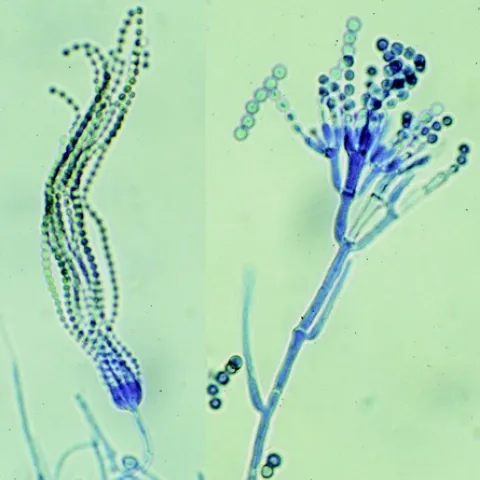
penicillium
Topics in Subtropics: Article

The Power of Fungi

March 19, 2021
By Ben A Faber
Paraquat is a very lethal pesticide that requires sime pretty heavy level of protective gear if it is to be used. It's an old pesticide and there are many newer ones that are much safer to use. Here's an example of the power of fungi to neutralize this chemical.
View Article