A Natural Solution for California's Herds: African Catfish Peptides

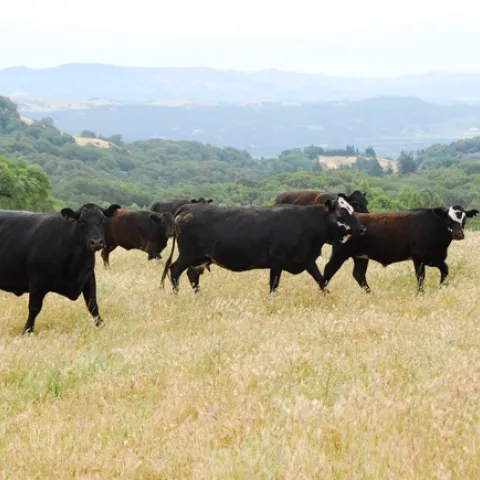
California's cattle producers and agricultural communities are all too familiar with the rising challenge of antibiotic resistance, making common bacterial infections harder to treat in livestock. But imagine a future where we could tackle these infections with a natural, powerful alternative. Our research points to just that: antimicrobial peptides (AMPs) found in African catfish.

We're really excited about these peptides because African catfish thrive in pathogen-rich freshwater, naturally producing these robust immune compounds in their skin mucus as a defense. This natural origin makes them highly appealing alternatives to synthetic drugs.

Predicted Safety and Potent Action

One of the most compelling aspects of these AMPs is their predicted safety for mammals. Our initial computer analyses suggest that various catfish AMPs are generally recognized as safe (GRAS). We predict they'll be absorbed in the human intestine without causing liver, brain, or heart toxicity. Furthermore, lab tests on a promising peptide, NACAP-II, confirmed it was non-hemolytic, meaning it didn't damage rabbit red blood cells—a strong indicator of its potential safety for mammalian cells.

Beyond safety, these peptides demonstrate effectiveness against problematic bacteria. One study revealed NACAP-II's strong activity against Extended-Spectrum Beta-Lactamase (ESBL)-producing Escherichia coli—a critical concern for both animal and human health due to its resistance to many common antibiotics. Another peptide, ACAP-IV, also showed antibacterial activity against E. coli and Staphylococcus aureus. We believe these AMPs work by directly disrupting bacterial cell membranes, a mechanism that makes it harder for bacteria to develop resistance compared to how they resist traditional antibiotics.
Primary Image
Desert Willow blooms, Laura Kling
The Real Dirt: Article

The Desert Willow: A Beautiful Small Tree for Native Gardens

August 14, 2020
Someone needs to tell the Urban Forests Ecosystems Institute (UFEI) that their tree location map is missing the desert willow (Chilopsis linearis) that was planted at the Master Gardener Demonstration Garden at Patrick Ranch several years ago.
View Article
Primary Image
4-H steer
Ranching in the Sierra Foothills: Article

Supporting our Future Farmers and Ranchers

August 13, 2020
By Daniel K Macon
Like everything and everyone else in 2020, our local fairs are adapting to the changes necessitated by the COVID-19 pandemic.
View Article
Primary Image
A pile of wax beans drying on a dish cloth.
The Backyard Gardener: Article

Some Thoughts on Wax Beans

August 13, 2020
By Dustin W Blakey
I love green beans, but even better are wax beans. For some reason as a kid I thought the yellow color of wax beans was something special. Since then I've preferred them if given a choice, but I'm sure it's all in my head. Kids make food choices based on some illogical characteristics.
View Article
UC Master Gardener Program of Riverside County: Article

Garden Views, 2020.07 - Jul/Aug 2020

August 13, 2020
In this issue: Atypical graduations for the West County and Desert; Master Gardener Milestones; new officers elected to the Advisory Boards; Interview with Platinum Badge Member, Ottillia Bier; Ottillia Bier shares a memorable letter received for her newspaper; Master Gardener volunteering with the...
View Article
Primary Image
photos by Deborah Gallagher
Under the Solano Sun: Article

Our New Normal

August 13, 2020
While none of us could have predicted how our lives have changed since March 13th (the day our Master Gardener training class was canceled, followed by the rest of the classes for the year), nature has nicely filled in the gap and reassures us that life will go on.
View Article
Butte County: Article

Watergrass seed request

August 13, 2020
The UCCE Rice Team is conducting a field survey to collect watergrass samples over the next few weeks. The samples will be used to develop chemical and non-chemical management plans for watergrass.
View Article