A Natural Solution for California's Herds: African Catfish Peptides

California's cattle producers and agricultural communities are all too familiar with the rising challenge of antibiotic resistance, making common bacterial infections harder to treat in livestock. But imagine a future where we could tackle these infections with a natural, powerful alternative. Our research points to just that: antimicrobial peptides (AMPs) found in African catfish.

We're really excited about these peptides because African catfish thrive in pathogen-rich freshwater, naturally producing these robust immune compounds in their skin mucus as a defense. This natural origin makes them highly appealing alternatives to synthetic drugs.

Predicted Safety and Potent Action

One of the most compelling aspects of these AMPs is their predicted safety for mammals. Our initial computer analyses suggest that various catfish AMPs are generally recognized as safe (GRAS). We predict they'll be absorbed in the human intestine without causing liver, brain, or heart toxicity. Furthermore, lab tests on a promising peptide, NACAP-II, confirmed it was non-hemolytic, meaning it didn't damage rabbit red blood cells—a strong indicator of its potential safety for mammalian cells.

Beyond safety, these peptides demonstrate effectiveness against problematic bacteria. One study revealed NACAP-II's strong activity against Extended-Spectrum Beta-Lactamase (ESBL)-producing Escherichia coli—a critical concern for both animal and human health due to its resistance to many common antibiotics. Another peptide, ACAP-IV, also showed antibacterial activity against E. coli and Staphylococcus aureus. We believe these AMPs work by directly disrupting bacterial cell membranes, a mechanism that makes it harder for bacteria to develop resistance compared to how they resist traditional antibiotics.
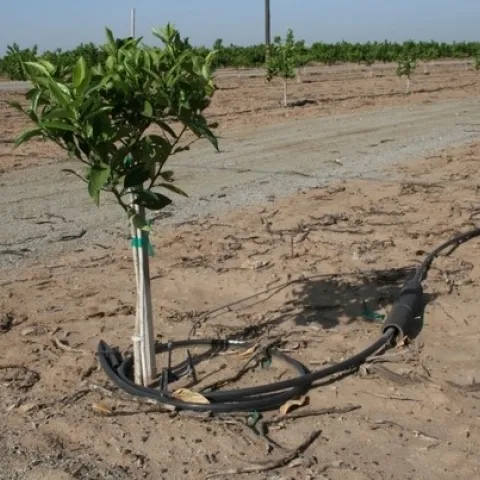
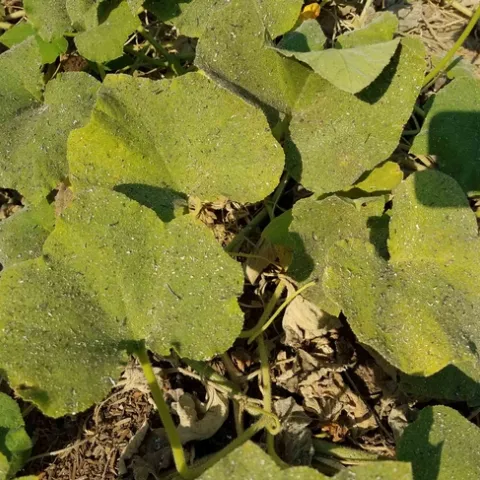
Primary Image
Photo by Diane Galvan
UC Master Gardeners- Diggin' it in SLO: Article

Preserve Your Tomatoes

August 3, 2020
Preserve Your Tomatoes By Carol Michael UCCE Master Food Preserver Our tomato vines are heavy with fruit. We have plenty for sandwiches, salsa and salads. Can you give suggestions to safely preserve them for winter? Jason R., San Luis Obispo There are many methods to preserve tomatoes.
View Article
Primary Image
A honey bee encounters a lady beetle, aka ladybug, on mustard. (Photo by Kathy Keatley Garvey)
Bug Squad: Article

This Is Not Our Planet. Whose Planet Is It?

August 3, 2020
By Kathy Keatley Garvey
Mention "beetles," and most folks think of that iconic English rock band from Liverpool. You know, John Lennon, Paul McCartney, George Harrison and Ringo Starr? But to entomologists, "The Beatles," means "The Beetles.
View Article
Primary Image
Nathanael puts up fencing for the sheep. Photo from https://fibershed.org/2019/09/04/california-cotton-fields-nathanael-siemens-on-a-10-acre-model-toward-regeneration/
Climate Smart Agriculture: Article

Grower Profile #3: Nathanael Siemens, Fat Uncle Farms

August 3, 2020
By Kristian M Salgado-Jacobo
Practices: No-till, animal integration, alley cropping, poly cropping, composting, and cover cropping Nathanael Siemens is an organic grower juggling a variety of crops, fields, and systems across California. He has a 150 acre farm in Modoc County and another 10 acres in Kern County.
View Article
Nutrition Policy Institute News: Article

New report by NPI researchers describes schools' challenges, needs and priorities before reopening in Fall 2020

August 3, 2020
By Danielle Lee
In May 2020, Nutrition Policy Institute researchers Suzanne Rauzon and Hallie Randel-Schreiber collaborated with Kaiser Permanente, Alliance for a Healthier Generation, and other national school health partners to survey educators across the nation about overall readiness to return to learning for t...
View Article
UC Rice Blog: Article

UCANR Rice Virtual Field Day

August 3, 2020
By Whitney B Brim-Deforest
This field day is open to the public. Please share broadly to those who may be interested in attending.
View Article
ANR Employee News: Article

Academics and staff may reduce work time

August 3, 2020
By Pamela S Kan-Rice
UC ANR recognizes the importance of helping employees manage a work/life balance. During the COVID 19 pandemic, it is understandable that some employees may wish to temporarily reduce their appointment time to address priority family and self-care needs.
View Article
Primary Image
Unlabeled seeds from solicited packages
Topics in Subtropics: Article

Mysterious Seeds in Mail

August 3, 2020
By Ben A Faber
Author: UC Integrated Pest Management Program Have you had unexpected seeds show up in the mail? Unknown seeds could be invasive plants, contain invasive insects, or have plant disease causing agents.
View Article
Primary Image
Lorquin's Admiral
Spill the Beans: Article

Butterfly Garden

August 3, 2020
by Cindy Watter A couple of years ago I wrote a Napa Valley Register column about creating a small garden to attract pollinators. I planted monarda, red salvia, lavender, and Blue Boa agastache, in addition to a spindly little Mexican marigold (tagetes lemonii) that quickly grew enormous.
View Article