A Natural Solution for California's Herds: African Catfish Peptides

California's cattle producers and agricultural communities are all too familiar with the rising challenge of antibiotic resistance, making common bacterial infections harder to treat in livestock. But imagine a future where we could tackle these infections with a natural, powerful alternative. Our research points to just that: antimicrobial peptides (AMPs) found in African catfish.

We're really excited about these peptides because African catfish thrive in pathogen-rich freshwater, naturally producing these robust immune compounds in their skin mucus as a defense. This natural origin makes them highly appealing alternatives to synthetic drugs.

Predicted Safety and Potent Action

One of the most compelling aspects of these AMPs is their predicted safety for mammals. Our initial computer analyses suggest that various catfish AMPs are generally recognized as safe (GRAS). We predict they'll be absorbed in the human intestine without causing liver, brain, or heart toxicity. Furthermore, lab tests on a promising peptide, NACAP-II, confirmed it was non-hemolytic, meaning it didn't damage rabbit red blood cells—a strong indicator of its potential safety for mammalian cells.

Beyond safety, these peptides demonstrate effectiveness against problematic bacteria. One study revealed NACAP-II's strong activity against Extended-Spectrum Beta-Lactamase (ESBL)-producing Escherichia coli—a critical concern for both animal and human health due to its resistance to many common antibiotics. Another peptide, ACAP-IV, also showed antibacterial activity against E. coli and Staphylococcus aureus. We believe these AMPs work by directly disrupting bacterial cell membranes, a mechanism that makes it harder for bacteria to develop resistance compared to how they resist traditional antibiotics.


Primary Image
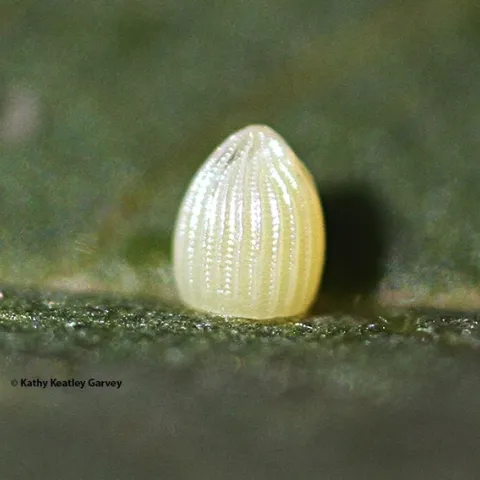
A monarch egg. Soon it will hatch. (Photo by Kathy Keatley Garvey)
Bug Squad: Article

Magical, Miraculous Monarch Moments

August 21, 2020
By Kathy Keatley Garvey
When you observe a monarch butterfly laying eggs on your milkweed--and see the predators and parasitoids circling in anticipation--act fast if you want those eggs to develop into adults. Only about 10 percent of monarch eggs make it to adults, scientists estimate.
View Article
Primary Image
Pequeños productores
Noticias: Article

Nuevos cultivos en la lista de ayuda financiera de USDA

August 21, 2020
By Basilisa M Rawleigh
Pequeos agricultores o productores de alimentos tnicos que no haban sido considerados antes en los programas de ayuda financiera para el campo; ahora podrn recibir asistencia por primera vez, siempre y cuando la soliciten antes del 11 de septiembre.
View Article
Primary Image
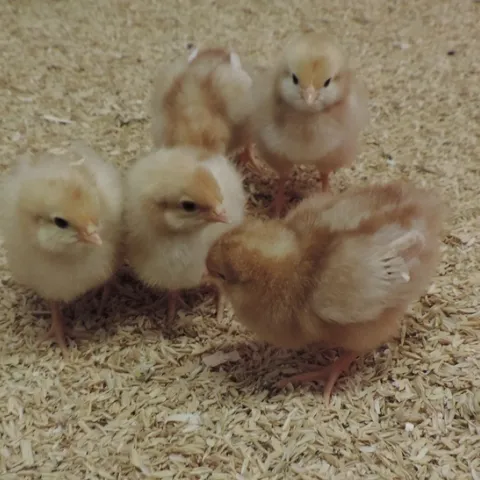
Poultry 101’s “Chick temperature chart” recommends temperatures for chicks from hatch to 6 weeks old.
Food Blog: Article

Poultry 101 guides new parents of chicks

August 21, 2020
By Pamela S Kan-Rice
As Californians began sheltering in place at home, they started growing their own food. In addition to gardening, people have begun adopting chickens for fresh eggs.
View Article
Primary Image
card description
Topics in Subtropics: Article

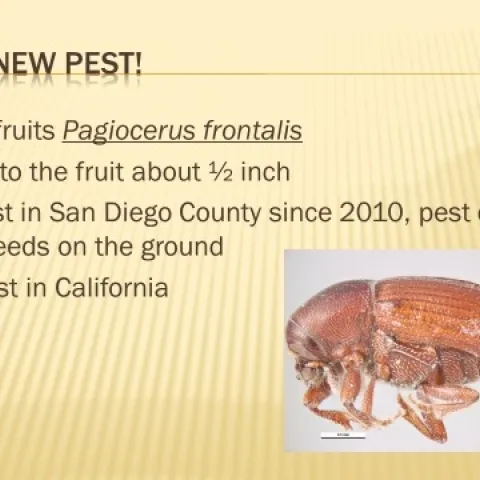
Avocado Seed Weevil

August 21, 2020
By Ben A Faber
There have been recent reports of a beetle infesting downed avocado fruit in Ventura County. This scolytid weevil was first reported in San Diego in 2010. Gary Bender found it in a high density planting where fruit was lying on the ground.
View Article
Primary Image
A Gulf Fritillary butterfly, Agraulis vanillae, nectaring on a Mexican sunflower, Tithonia rotundifolia, in Vacaville, Calif. (Photo by Kathy Keatley Garvey)
Bug Squad: Article

Gulf Fritillary: Spreading a Little Joy

August 20, 2020
By Kathy Keatley Garvey
It's Thursday afternoon, Aug. 20, and it seems like a good time to run a photo of a Gulf Fritilliary. Because it just is. It is a joy to see, especially when joy seems elusive as out-of-control wildfires ravage California.
View Article
Article

Emergency resources

August 20, 2020
By Pamela S Kan-Rice
Dear UC ANR Community, We have all experienced so many challenges this year, and now we face the challenges wrought by more than 300 wildfires around the state. Some of you have had to evacuate to safety, wondering if your homes will be standing when you return.
View Article
Primary Image
Loquat (photos by Tina Saravia)
Under the Solano Sun: Article

Gardening is in My Family

August 20, 2020
Sheltering-in-place has resulted in mixed results in gardening as a hobby. I recently learned from a friend that she has lost interest in gardening. I wondered what she's been feeding herself. She normally plants a lot of vegetables. She has dozens of fruit trees.
View Article