A Natural Solution for California's Herds: African Catfish Peptides

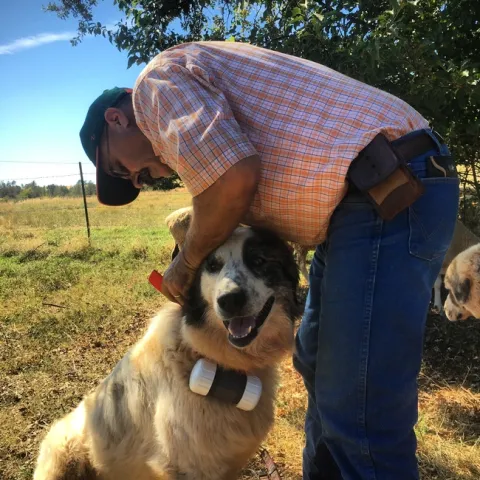
California's cattle producers and agricultural communities are all too familiar with the rising challenge of antibiotic resistance, making common bacterial infections harder to treat in livestock. But imagine a future where we could tackle these infections with a natural, powerful alternative. Our research points to just that: antimicrobial peptides (AMPs) found in African catfish.

We're really excited about these peptides because African catfish thrive in pathogen-rich freshwater, naturally producing these robust immune compounds in their skin mucus as a defense. This natural origin makes them highly appealing alternatives to synthetic drugs.

Predicted Safety and Potent Action

One of the most compelling aspects of these AMPs is their predicted safety for mammals. Our initial computer analyses suggest that various catfish AMPs are generally recognized as safe (GRAS). We predict they'll be absorbed in the human intestine without causing liver, brain, or heart toxicity. Furthermore, lab tests on a promising peptide, NACAP-II, confirmed it was non-hemolytic, meaning it didn't damage rabbit red blood cells—a strong indicator of its potential safety for mammalian cells.

Beyond safety, these peptides demonstrate effectiveness against problematic bacteria. One study revealed NACAP-II's strong activity against Extended-Spectrum Beta-Lactamase (ESBL)-producing Escherichia coli—a critical concern for both animal and human health due to its resistance to many common antibiotics. Another peptide, ACAP-IV, also showed antibacterial activity against E. coli and Staphylococcus aureus. We believe these AMPs work by directly disrupting bacterial cell membranes, a mechanism that makes it harder for bacteria to develop resistance compared to how they resist traditional antibiotics.

Kern County: Article

Kern UCCE/DWR Weekly Crop Water Use Report 07-20-2020

July 21, 2020
Please see below link to access "How To Use Weekly Crop Water Use (ET) Reports to Assist Farm Water Management" How To Use Weekly Crop Water Use Report Please see below link to access "Weekly ET Report 07-20-2020" ET Report 07-20-2020 Please see disclaimer link below: University of California Divisi...
View Article
Topics in Subtropics: Article

HLB Tolerant Rootstock?

July 21, 2020
By Ben A Faber
From the Citrus Industry The new Sugar Belle hybrid rootstock LB8-9xS13#16 has quite a history, according to University of Florida Institute of Food and Agricultural Sciences citrus breeder Jude Grosser.
View Article
Blog - Forest Research and Outreach : Article

A New Threat to California's Oak Trees

July 20, 2020
By Susan D Kocher
The Mediterranean Oak Borer (Xyleborus monographus) is an ambrosia beetle that was found infesting several valley oak trees in Calistoga, (Napa County) California in 2019. The extent of its distribution within Napa County and neighboring Sonoma and Lake Counties is currently undetermined.
View Article
Primary Image
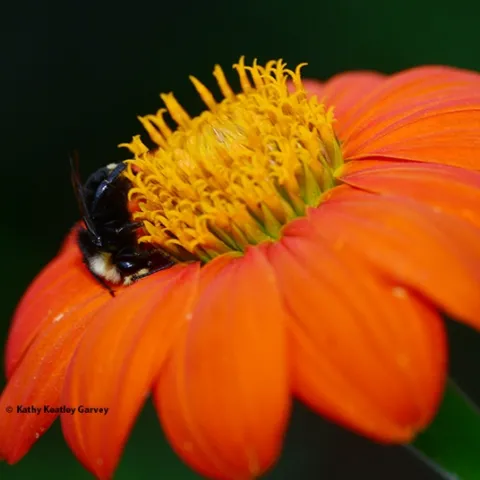
A male yellow-faced bumble bee, Bombus vosnesenskii, sleeps on a Mexican sunflower,Bombus Bombus vosnesenskii,in Vacaville,Calif. (Photo by Kathy Keatley Garvey)
Bug Squad: Article

Nighty-Night, Mr. Bumble Bee!

July 20, 2020
By Kathy Keatley Garvey
Have you ever seen a bumble bee sleeping? If you slip out to your garden at night or early morning, you might find the male bumble bees asleep in, on or around the flowers. The yellow-faced bumble bee, Bombus vosnesenskii, frequents our pollinator garden in Vacaville, Calif.
View Article
ANR Adventures: Article

Summer slow down

July 20, 2020
By Wendy Powers
Can you believe that the pool season is half over? The daily strawberry harvest is all but done in my yard, and even zucchini season seems to be winding down. The only thing not slowing down is COVID cases.
View Article
Primary Image
photos by Jeanine McAnaney
Under the Solano Sun: Article

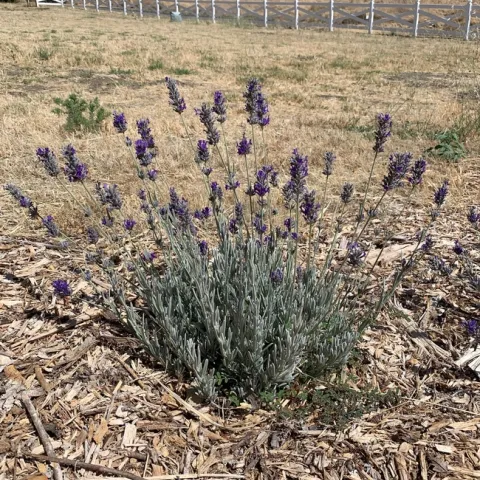
In Praise of Lavender

July 20, 2020
Last month I wrote on In Praise of Rosemary' and continuing that theme, this month I will sing the praises of Lavandula! To repeat from my last blog, out in the up-country areas of Solano County, water is expensive, deer are plentiful, and the sun is hot, burning down all day with little shade for r...
View Article