A Natural Solution for California's Herds: African Catfish Peptides

California's cattle producers and agricultural communities are all too familiar with the rising challenge of antibiotic resistance, making common bacterial infections harder to treat in livestock. But imagine a future where we could tackle these infections with a natural, powerful alternative. Our research points to just that: antimicrobial peptides (AMPs) found in African catfish.

We're really excited about these peptides because African catfish thrive in pathogen-rich freshwater, naturally producing these robust immune compounds in their skin mucus as a defense. This natural origin makes them highly appealing alternatives to synthetic drugs.

Predicted Safety and Potent Action

One of the most compelling aspects of these AMPs is their predicted safety for mammals. Our initial computer analyses suggest that various catfish AMPs are generally recognized as safe (GRAS). We predict they'll be absorbed in the human intestine without causing liver, brain, or heart toxicity. Furthermore, lab tests on a promising peptide, NACAP-II, confirmed it was non-hemolytic, meaning it didn't damage rabbit red blood cells—a strong indicator of its potential safety for mammalian cells.

Beyond safety, these peptides demonstrate effectiveness against problematic bacteria. One study revealed NACAP-II's strong activity against Extended-Spectrum Beta-Lactamase (ESBL)-producing Escherichia coli—a critical concern for both animal and human health due to its resistance to many common antibiotics. Another peptide, ACAP-IV, also showed antibacterial activity against E. coli and Staphylococcus aureus. We believe these AMPs work by directly disrupting bacterial cell membranes, a mechanism that makes it harder for bacteria to develop resistance compared to how they resist traditional antibiotics.

Under the Solano Sun: Article

Back Saving Tips for a Fun Day of Gardening

April 8, 2020
According to AARP, an hour of gardening can reduce stress, boost bone density, and burn up to 300 calories, but if not done right, all of the bending, squatting, raking and lifting can compromise muscles and joints. AARP The Magazine, July/August 2010: Linda Melone.
View Article
Primary Image
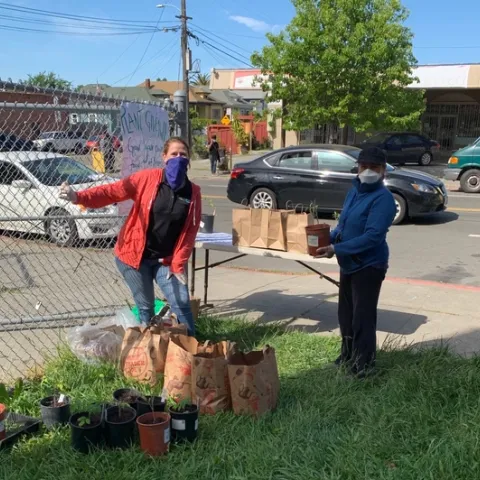
Director of the UC Master Gardener Program, Missy Gable, provided helpful advice for families who want to garden to relieve stress during the coronavirus crisis.
ANR News Blog: Article

Garden therapy during the coronavirus crisis

April 8, 2020
By Jeannette Warnert
"I'm a huge believer in garden therapy right now," famed chef Alice Waters told FastCompany.com reporter Aimee Rawlins. To find out how to dig in, Rawlins turned to the director of the UC Master Gardener Program Missy Gable. "Start modestly and in a way that you can manage it, Gable said.
View Article
Intermountain REC News: Article

Natural Enemies are Important for Control of the Aphid Complex in Alfalfa - A Case Study

April 8, 2020
By Ian M Grettenberger, Rachael Long, Robert G Wilson
Re-posted with permission from the UC ANR Alfalfa & Forage News: "The enemy of my enemy is my friend" holds true in entomology as well! The activity of natural enemies of pests (beneficial insects) is a key component of Integrated Pest Management in alfalfa to prevent pest resurgence and secondary p...
View Article
Thrips/TSWV Eastern San Joaquin Co.: Article

Early April 2020 (first post of 2020 season)

April 8, 2020
By Neil McRoberts
Hi. We've been a bit slow getting the thrips risk and TSWV updates up and running this year. We hope you are all safe and well. We also want to say thank you to everyone involved in food production and agriculture in general for keeping the food chain flowing during the COVID-19 epidemic.
View Article
Central Sierra Livestock & Natural Resources: Article

April 2020

April 8, 2020
In this issue: COVID-19 updates Coronaviruses in human and animal health To Fertilize or Not to Fertilize?
View Article
Thrips/TSWV Kings: Article

Early April 2020 (first post of 2020 season)

April 8, 2020
By Neil McRoberts
Hi. We've been a bit slow getting the thrips risk and TSWV updates up and running this year. We hope you are all safe and well. We also want to say thank you to everyone involved in food production and agriculture in general for keeping the food chain flowing during the COVID-19 epidemic.
View Article
Thrips/TSWV Fresno: Article

Early April 2020 (first post of 2020 season)

April 8, 2020
By Neil McRoberts
Hi. We've been a bit slow getting the thrips risk and TSWV updates up and running this year. We hope you are all safe and well. We also want to say thank you to everyone involved in food production and agriculture in general for keeping the food chain flowing during the COVID-19 epidemic.
View Article
Thrips/TSWV Merced: Article

Early April 2020 (first post of 2020 season)

April 8, 2020
By Neil McRoberts
Hi. We've been a bit slow getting the thrips risk and TSWV updates up and running this year. We hope you are all safe and well. We also want to say thank you to everyone involved in food production and agriculture in general for keeping the food chain flowing during the COVID-19 epidemic.
View Article
Thrips/TSWV Western San Joaquin Co.: Article

Early April 2020 (first post of 2020 season)

April 8, 2020
By Neil McRoberts
Hi. We've been a bit slow getting the thrips risk and TSWV updates up and running this year. We hope you are all safe and well. We also want to say thank you to everyone involved in food production and agriculture in general for keeping the food chain flowing during the COVID-19 epidemic.
View Article
Primary Image
IMG 4447
The Backyard Gardener: Article

Manzanar Gardens

April 8, 2020
Gardens are many things to people: sources of food, entertainment, places of peace, solace, beauty and purpose. To many of the people forced to live at Manzanar Internment camp during WW2, gardens there were all those things.
View Article