A Natural Solution for California's Herds: African Catfish Peptides

California's cattle producers and agricultural communities are all too familiar with the rising challenge of antibiotic resistance, making common bacterial infections harder to treat in livestock. But imagine a future where we could tackle these infections with a natural, powerful alternative. Our research points to just that: antimicrobial peptides (AMPs) found in African catfish.

We're really excited about these peptides because African catfish thrive in pathogen-rich freshwater, naturally producing these robust immune compounds in their skin mucus as a defense. This natural origin makes them highly appealing alternatives to synthetic drugs.

Predicted Safety and Potent Action

One of the most compelling aspects of these AMPs is their predicted safety for mammals. Our initial computer analyses suggest that various catfish AMPs are generally recognized as safe (GRAS). We predict they'll be absorbed in the human intestine without causing liver, brain, or heart toxicity. Furthermore, lab tests on a promising peptide, NACAP-II, confirmed it was non-hemolytic, meaning it didn't damage rabbit red blood cells—a strong indicator of its potential safety for mammalian cells.

Beyond safety, these peptides demonstrate effectiveness against problematic bacteria. One study revealed NACAP-II's strong activity against Extended-Spectrum Beta-Lactamase (ESBL)-producing Escherichia coli—a critical concern for both animal and human health due to its resistance to many common antibiotics. Another peptide, ACAP-IV, also showed antibacterial activity against E. coli and Staphylococcus aureus. We believe these AMPs work by directly disrupting bacterial cell membranes, a mechanism that makes it harder for bacteria to develop resistance compared to how they resist traditional antibiotics.
Primary Image
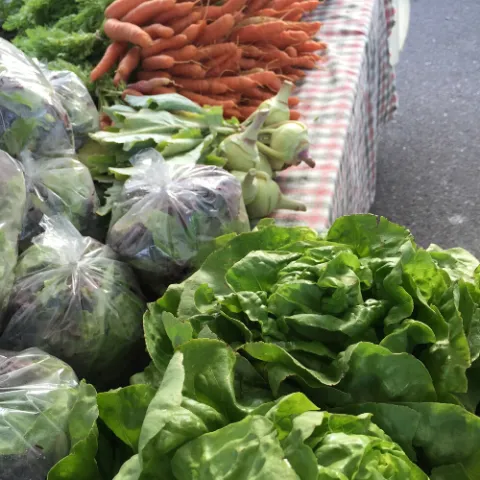
avocado fruit cluster
Topics in Subtropics: Article

Yum, Yum, Eatem UP - Avocados

March 23, 2020
By Ben A Faber
U.S. demand for avocados has increased steadily over the past two decades: per capita consumption of avocados has tripled since 2001 to 8 pounds per person in 2018. Total U.S. production in 2018 was 364 million pounds, with California the major producer, accounting for 93 percent of U.S.
View Article
Primary Image
Yellowjacket landing on a blurry piece of fruit
The Backyard Gardener: Article

Wonderful Wasps

March 22, 2020
It seems that everyone loves bees and thinks of them first thing when the topic is pollination and beneficial insects. Then, when the topic turns to wasps (and Yellowjackets) everyone changes their tune. To most people, wasps are mean, stinging attackers that can terrorize summer picnics.
View Article
Primary Image
A hillside in the foreground with burning piles of vegetation set against a background ridge covered in snow.
Green Blog: Article

Reforestation in a burning climate

March 21, 2020
Have you given your favorite tree a hug lately? Perhaps you would rather plant a tree? Well, on March 21, International Forest Day, Californians have a good excuse to do both. In the first two decades of this new century, fire is having a transformative effect on California forests.
View Article
Primary Image
Let the garden soothe . . . (Annie Spratt)
Napa Master Gardener Column: Article

Garden as Refuge.

March 20, 2020
By Susanne von Rosenberg, UC Master Gardener of Napa County Happy Spring! Spring officially arrived on Thursday, March 19, at 8:49 p.m. If you're feeling like most people right now, though, it feels less like a happy spring than a really uncertain time.
View Article