A Natural Solution for California's Herds: African Catfish Peptides

California's cattle producers and agricultural communities are all too familiar with the rising challenge of antibiotic resistance, making common bacterial infections harder to treat in livestock. But imagine a future where we could tackle these infections with a natural, powerful alternative. Our research points to just that: antimicrobial peptides (AMPs) found in African catfish.

We're really excited about these peptides because African catfish thrive in pathogen-rich freshwater, naturally producing these robust immune compounds in their skin mucus as a defense. This natural origin makes them highly appealing alternatives to synthetic drugs.

Predicted Safety and Potent Action

One of the most compelling aspects of these AMPs is their predicted safety for mammals. Our initial computer analyses suggest that various catfish AMPs are generally recognized as safe (GRAS). We predict they'll be absorbed in the human intestine without causing liver, brain, or heart toxicity. Furthermore, lab tests on a promising peptide, NACAP-II, confirmed it was non-hemolytic, meaning it didn't damage rabbit red blood cells—a strong indicator of its potential safety for mammalian cells.

Beyond safety, these peptides demonstrate effectiveness against problematic bacteria. One study revealed NACAP-II's strong activity against Extended-Spectrum Beta-Lactamase (ESBL)-producing Escherichia coli—a critical concern for both animal and human health due to its resistance to many common antibiotics. Another peptide, ACAP-IV, also showed antibacterial activity against E. coli and Staphylococcus aureus. We believe these AMPs work by directly disrupting bacterial cell membranes, a mechanism that makes it harder for bacteria to develop resistance compared to how they resist traditional antibiotics.

Primary Image
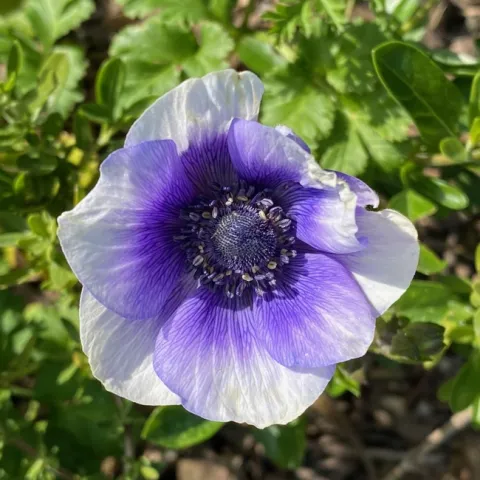
Anemone. photo by Erin Mahaney
Under the Solano Sun: Article

Stress Miku

April 14, 2020
Stress, Anxiety, Worry Enjoy Nature's Sights, Sounds and Smells Gardening is Safe and Fun...
View Article
Blog - Forest Research and Outreach : Article

Help for Californians navigating life during the coronavirus crisis

April 14, 2020
By Susan D Kocher
Reposted from the UCANR Knowledge Stream Find UC ANR community resources for the coronavirus crisis here. Theories abound as to what life will be like when we come out of our current predicament. And who can say? However, the focus for many is simply on dealing with the immediate.
View Article
Primary Image
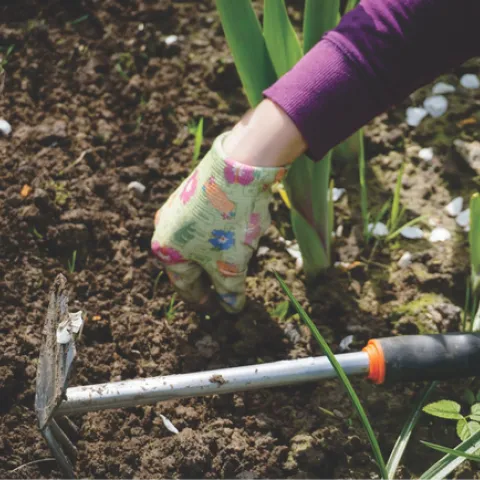
Weeding
Spill the Beans: Article

My Weeding Ways

April 14, 2020
Editor's note: Master Gardeners are keeping busy in their own gardens during Napa County's Shelter in Place directive.
View Article
Primary Image
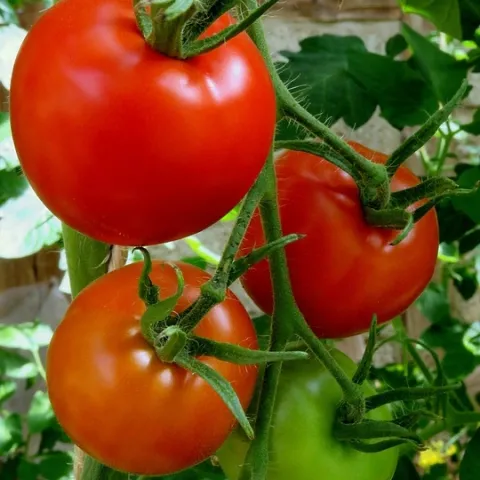
Ripening tomatoes on vine. (photo: pixabay.com)
The Stanislaus Sprout: Article

Sign up now! Spring Container Vegetable Gardening Class

April 13, 2020
By Anne E Schellman
We've had quite a few sign ups for our free online class for Wednesday, April 15, 2020! We hope to "see" more of you online to hear Rho Yare present on everything you need to know to get started growing spring vegetables in containers.
View Article
Primary Image
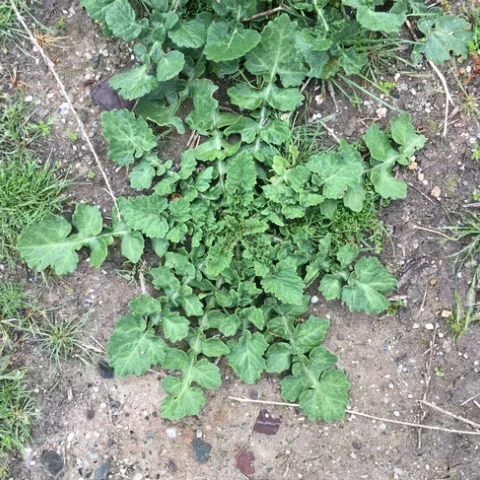
Summer mustard rosette
UC Weed Science (weed control, management, ecology, and minutia): Article

How to Control Mustard with Grazing

April 13, 2020
By Devii R Rao
How to Control Mustard with Grazing Summer mustard, sometimes also called short-pod mustard (Hirschfeldia incana) and black mustard (Brassica nigra) are common rangeland weeds on California's Central Coast. Summer mustard seems to be the more common species.
View Article
Primary Image
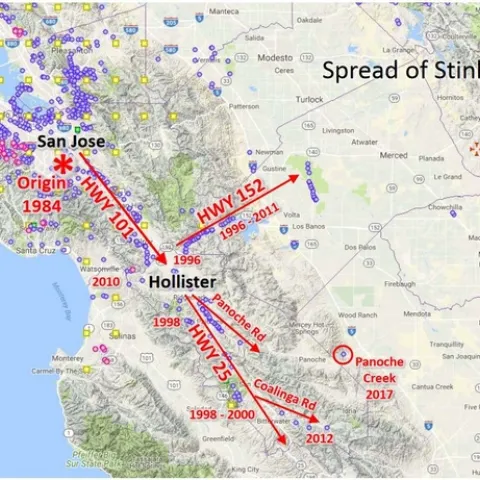
Map from Calflora. Arrows and road names added by Ryan O'Dell.
UC Weed Science (weed control, management, ecology, and minutia): Article

Invasion of Stinkwort into San Benito County

April 13, 2020
By Devii R Rao
Stinkwort (Dittrichia graveolens) is a very sticky annual weed in the sunflower family with a powerful smell similar to tarweeds (Brownsey et al. 2013). Its first observation in California was in Santa Clara County in 1984.
View Article
Primary Image
Courtesy: Washington State Department of Agriculture Facebook
UC Weed Science (weed control, management, ecology, and minutia): Article

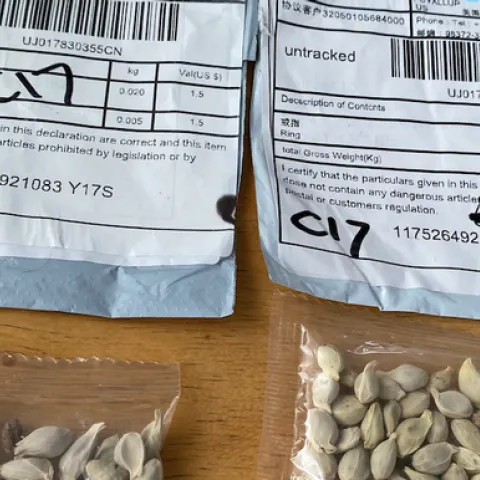
Unsolicited seed packets reported across the United States

April 13, 2020
By Whitney B Brim-Deforest
***** New information (7/30/2020): California Agricultural Commissioner's offices are collecting seeds locally. Please contact your county office (https://cacasa.org/county/).
View Article
Nutrition Policy Institute News: Article

New study from Nutrition Policy Institute highlights more nutritious foods and beverages for children at child care sites participating in the Child and Adult Care Food Program

April 13, 2020
By Danielle Lee
Nutrition Policy Institute (NPI) researchers' latest study on the quality of beverages, meals and snacks served to young children in licensed child care settings in California suggests sites that participate in the federal Child and Adult Care Food Program (CACFP) are more likely to provide nutritio...
View Article