A Natural Solution for California's Herds: African Catfish Peptides

California's cattle producers and agricultural communities are all too familiar with the rising challenge of antibiotic resistance, making common bacterial infections harder to treat in livestock. But imagine a future where we could tackle these infections with a natural, powerful alternative. Our research points to just that: antimicrobial peptides (AMPs) found in African catfish.

We're really excited about these peptides because African catfish thrive in pathogen-rich freshwater, naturally producing these robust immune compounds in their skin mucus as a defense. This natural origin makes them highly appealing alternatives to synthetic drugs.

Predicted Safety and Potent Action

One of the most compelling aspects of these AMPs is their predicted safety for mammals. Our initial computer analyses suggest that various catfish AMPs are generally recognized as safe (GRAS). We predict they'll be absorbed in the human intestine without causing liver, brain, or heart toxicity. Furthermore, lab tests on a promising peptide, NACAP-II, confirmed it was non-hemolytic, meaning it didn't damage rabbit red blood cells—a strong indicator of its potential safety for mammalian cells.

Beyond safety, these peptides demonstrate effectiveness against problematic bacteria. One study revealed NACAP-II's strong activity against Extended-Spectrum Beta-Lactamase (ESBL)-producing Escherichia coli—a critical concern for both animal and human health due to its resistance to many common antibiotics. Another peptide, ACAP-IV, also showed antibacterial activity against E. coli and Staphylococcus aureus. We believe these AMPs work by directly disrupting bacterial cell membranes, a mechanism that makes it harder for bacteria to develop resistance compared to how they resist traditional antibiotics.
Primary Image
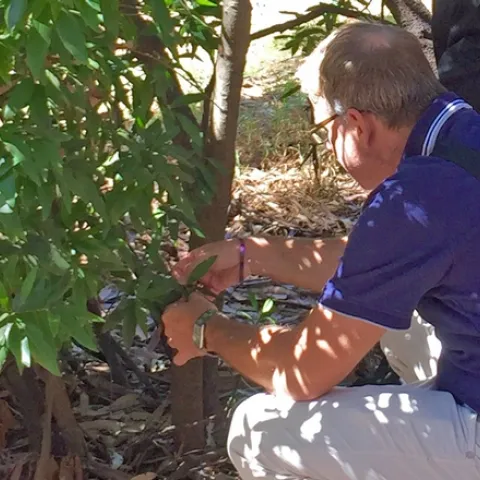
Former dean Gordon Rausser has gifted $50 million to Berkeley’s College of Natural Resources, the largest amount ever received by the college. (UC Berkeley photo by Keegan Houser)
ANR Employee News: Article

College of Natural Resources receives $50 million naming gift

February 24, 2020
By Pamela S Kan-Rice
The College of Natural Resources at the University of California, Berkeley, has been renamed the Rausser College of Natural Resources in honor of a landmark $50 million gift by Gordon Rausser, former dean of the college and the Robert Gordon Sproul Distinguished Professor Emeritus of agricultural an...
View Article
Primary Image
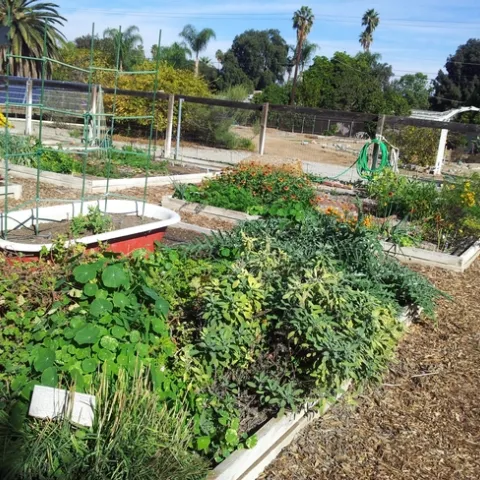
Photo by Linda Lewis Griffith
UC Master Gardeners- Diggin' it in SLO: Article

Teucrium

February 24, 2020
Teucrium Chamaedrys Common Name: Wall Germander Planting Zone: Sunset zones 2-24 Size: 1-2 ft. high, 3 ft.
View Article
ANR Employee News: Article

Refresher training on staff hiring process March 5

February 24, 2020
By Pamela S Kan-Rice
Training on the staff hiring process is being offered by Human Resources for anyone who is involved in employee recruiting and hiring, including supervisors and office staff who assist in recruitments. The new HR systems for hiring have been in place for a few months now.
View Article
HOrT COCO-UC Master Gardener Program of Contra Costa: Article

Italian Cypress Problems

February 24, 2020
Advice for the Home Gardener from the Help Desk of the UC Master Gardener Program of Contra Costa County Help Desk: Thank you for contacting the UC Master Gardener Program Help Desk with your concerns about your ailing Italian Cypress trees in Central County.
View Article
Primary Image
The Faculty Flash Talks, to place in 122 Briggs Hall at 4:10 p.m. on Feb. 26, will feature six scientists. This is an image from a UC Davis Picnic Day celebration. (Photo by Kathy Keatley Garvey)
Entomology & Nematology News: Article

Six Faculty Flash Talks at Department Seminar on Feb. 26

February 22, 2020
By Kathy Keatley Garvey
The UC Davis Department of Entomology and Nematology's seminar on Wednesday, Feb. 26 will feature six Faculty Flash Talks. The seminar, set from 4:10 to 5 p.m. in 122 Briggs Hall, will include Joanna Chiu, Jason Bond, Geoffrey Attardo, Rachel Vannette, Julia Fine, and Arathi Seshadri.
View Article