A Natural Solution for California's Herds: African Catfish Peptides

California's cattle producers and agricultural communities are all too familiar with the rising challenge of antibiotic resistance, making common bacterial infections harder to treat in livestock. But imagine a future where we could tackle these infections with a natural, powerful alternative. Our research points to just that: antimicrobial peptides (AMPs) found in African catfish.

We're really excited about these peptides because African catfish thrive in pathogen-rich freshwater, naturally producing these robust immune compounds in their skin mucus as a defense. This natural origin makes them highly appealing alternatives to synthetic drugs.

Predicted Safety and Potent Action

One of the most compelling aspects of these AMPs is their predicted safety for mammals. Our initial computer analyses suggest that various catfish AMPs are generally recognized as safe (GRAS). We predict they'll be absorbed in the human intestine without causing liver, brain, or heart toxicity. Furthermore, lab tests on a promising peptide, NACAP-II, confirmed it was non-hemolytic, meaning it didn't damage rabbit red blood cells—a strong indicator of its potential safety for mammalian cells.

Beyond safety, these peptides demonstrate effectiveness against problematic bacteria. One study revealed NACAP-II's strong activity against Extended-Spectrum Beta-Lactamase (ESBL)-producing Escherichia coli—a critical concern for both animal and human health due to its resistance to many common antibiotics. Another peptide, ACAP-IV, also showed antibacterial activity against E. coli and Staphylococcus aureus. We believe these AMPs work by directly disrupting bacterial cell membranes, a mechanism that makes it harder for bacteria to develop resistance compared to how they resist traditional antibiotics.

Primary Image
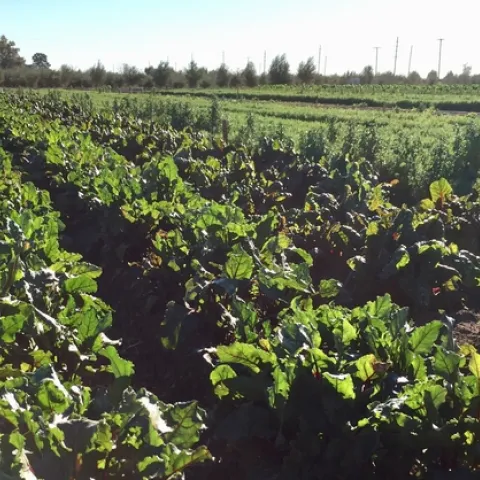
Santa came. (Photo by Kathy Keatley Garvey)
Bug Squad: Article

Santa Came

December 25, 2019
By Kathy Keatley Garvey
Note: This is the shortest Bug Squad blog of the 2972 blogs I've written since Aug. 6, 2008. Santa Came.
View Article
Primary Image
A Gulf Fritillary chrysalis inside the author's car, by the rear window. (Photo by Kathy Keatley Garvey)
Bug Squad: Article

Why Our Car Is Chortling 'Merry Chrysalis'

December 24, 2019
By Kathy Keatley Garvey
Our compact car gathers no reindeer antlers, no Rudoph nose, no Santa hat. Zero, zip, zilch, nada. Our HOUSE exudes Merry Christmas! but our CAR does not.
View Article
Mariposa County: Article

January 2020

December 23, 2019
Here is the new issue of the 4-H Spirit full of information on upcoming 4-H events.
View Article
Primary Image
Cindy Kron
ANR Employee News: Article

Names in the News

December 23, 2019
By Pamela S Kan-Rice
Kron named north coast IPM advisor Cindy Kron joined UC Cooperative Extension as area-wide IPM advisor for Sonoma, Napa, Mendocino and Lake counties in September 2019.
View Article
Primary Image
RFT Community Garden
UCCE Riverside County: Article

Riverside Faith Temple Garden Update

December 23, 2019
By Chutima H Ganthavorn
A small edible garden has started in the Eastside neighborhood of Riverside with funding from the City of Riverside's Small Spark Community Development Block Grant.
View Article
Primary Image
avocado cluster kosina
Topics in Subtropics: Article

Avocado Pest Guidelines n the Field

December 23, 2019
By Ben A Faber
We're excited to let you know that we've launched the new, mobile-friendly format of the Pest Management Guidelines: Avocado! Please note that the content of the Pest Management Guidelines (PMGs) has not changed. The design has been changed to be more compatible with mobile devices.
View Article
UC Weed Science (weed control, management, ecology, and minutia): Article

Weed issues in organic carrot seed production

December 23, 2019
In late November, an organic grower in Sutter County contacted UCCE about a weed problem in carrots grown for seed. The main weed issue was a grass weed (too small to ID from photo), but stinging nettle was also prominent from the picture the grower sent.
View Article