A Natural Solution for California's Herds: African Catfish Peptides

California's cattle producers and agricultural communities are all too familiar with the rising challenge of antibiotic resistance, making common bacterial infections harder to treat in livestock. But imagine a future where we could tackle these infections with a natural, powerful alternative. Our research points to just that: antimicrobial peptides (AMPs) found in African catfish.

We're really excited about these peptides because African catfish thrive in pathogen-rich freshwater, naturally producing these robust immune compounds in their skin mucus as a defense. This natural origin makes them highly appealing alternatives to synthetic drugs.

Predicted Safety and Potent Action

One of the most compelling aspects of these AMPs is their predicted safety for mammals. Our initial computer analyses suggest that various catfish AMPs are generally recognized as safe (GRAS). We predict they'll be absorbed in the human intestine without causing liver, brain, or heart toxicity. Furthermore, lab tests on a promising peptide, NACAP-II, confirmed it was non-hemolytic, meaning it didn't damage rabbit red blood cells—a strong indicator of its potential safety for mammalian cells.

Beyond safety, these peptides demonstrate effectiveness against problematic bacteria. One study revealed NACAP-II's strong activity against Extended-Spectrum Beta-Lactamase (ESBL)-producing Escherichia coli—a critical concern for both animal and human health due to its resistance to many common antibiotics. Another peptide, ACAP-IV, also showed antibacterial activity against E. coli and Staphylococcus aureus. We believe these AMPs work by directly disrupting bacterial cell membranes, a mechanism that makes it harder for bacteria to develop resistance compared to how they resist traditional antibiotics.
Cooperative Extension Ventura County: Article

Landscape Notes, Volume 28 Issue 2

October 4, 2019
This is issue contains the Sabbatical Report II, with information about 4 possible cultivars for California and information about the upcoming meeting in Arizona.
View Article
Primary Image
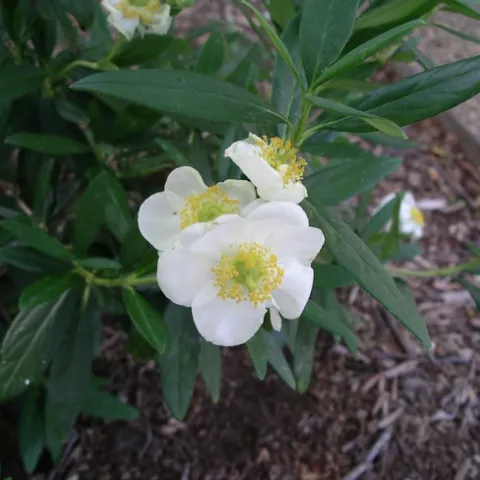
California bush anemone by Cindy Weiner

Conjure Up A Moon Garden

October 4, 2019
What is a moon garden? It is a garden that incorporates reflective surfaces, light-colored flowers, fragrant plants, and peaceful sounds, all meant to be enjoyed by the light of the moon. It is the perfect garden spot for busy professionals who don't have time during the day to enjoy their gardens.
View Article
Napa Master Gardener Column: Article

Clean up Your Worm Beds

October 4, 2019
by Penny Pawl, U.C. Master Gardener of Napa County Over the years, many people have attended compost workshops conducted by the City and County of Napa and the Napa County Master Gardeners.
View Article
ANR Adventures: Article

Finding inspiration throughout UC ANR

October 3, 2019
By Wendy Powers
A couple of weeks back, I had a chance to see the Hispanic Heritage Month video that featured DREC director, Jairo Diaz. I meant to find other videos, but I lost track of the thought. Today I had a chance to see those videos featuring Fe Moncloa, Maria de la Fuente, and Aileen Carrasco Trujillo.
View Article
Primary Image
Steve Fennimore, UC Davis
UC Weed Science (weed control, management, ecology, and minutia): Article

Steve Fennimore Receives Fulbright Scholar Award to Work in Uruguay on Weed Management in Organic Vegetable Production

October 3, 2019
By Gale Perez
The U.S. Department of State and the J. William Fulbright Foreign Scholarship Board are pleased to announce that Steven Fennimore of the University of California, Davis, has received a Fulbright U.S. Scholar Program award to work in Uruguay in agriculture.
View Article