A Natural Solution for California's Herds: African Catfish Peptides

California's cattle producers and agricultural communities are all too familiar with the rising challenge of antibiotic resistance, making common bacterial infections harder to treat in livestock. But imagine a future where we could tackle these infections with a natural, powerful alternative. Our research points to just that: antimicrobial peptides (AMPs) found in African catfish.

We're really excited about these peptides because African catfish thrive in pathogen-rich freshwater, naturally producing these robust immune compounds in their skin mucus as a defense. This natural origin makes them highly appealing alternatives to synthetic drugs.

Predicted Safety and Potent Action

One of the most compelling aspects of these AMPs is their predicted safety for mammals. Our initial computer analyses suggest that various catfish AMPs are generally recognized as safe (GRAS). We predict they'll be absorbed in the human intestine without causing liver, brain, or heart toxicity. Furthermore, lab tests on a promising peptide, NACAP-II, confirmed it was non-hemolytic, meaning it didn't damage rabbit red blood cells—a strong indicator of its potential safety for mammalian cells.

Beyond safety, these peptides demonstrate effectiveness against problematic bacteria. One study revealed NACAP-II's strong activity against Extended-Spectrum Beta-Lactamase (ESBL)-producing Escherichia coli—a critical concern for both animal and human health due to its resistance to many common antibiotics. Another peptide, ACAP-IV, also showed antibacterial activity against E. coli and Staphylococcus aureus. We believe these AMPs work by directly disrupting bacterial cell membranes, a mechanism that makes it harder for bacteria to develop resistance compared to how they resist traditional antibiotics.
Primary Image
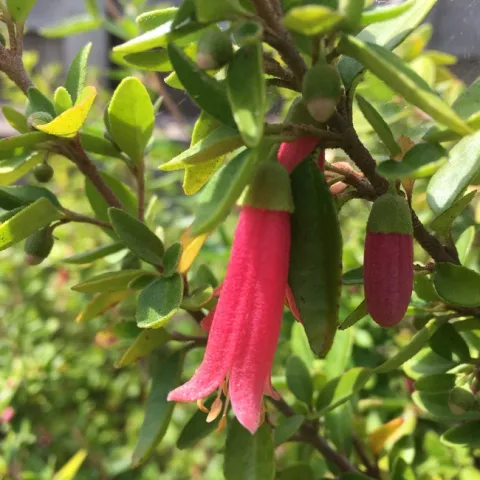
Figure 1. Garbanzo leaf yellowing and necrosis indicative of Fusarium wilt.
SJC and Delta Field Crops: Article

Fusarium Wilt in Garbanzos

July 10, 2019
By Michelle M Leinfelder-Miles
A little over a month ago, I visited some contiguous garbanzo bean fields in southern San Joaquin County, at the request of the grower. The grower observed that plants were yellowing and dying (Fig. 1) and wondered what might be causing the problem.
View Article
Primary Image
Seals resting on the beach
California Naturalist: Article

The beautiful Central California coast

July 10, 2019
The smell of the ocean, the cool, salty breeze, sandy toes and plenty of sunshine many of us lucky Californians have special memories spending time at our central coast. While enjoying the company of friends and family, the stunning backdrop instantly puts us at ease, and gives us some perspective.
View Article
Glenn County: Article

Antimicrobial Stewardship: Challenges, Solutions & Next Steps

July 10, 2019
Please join us for a discussion of antimicrobial stewardship. Wednesday, July 31, 2019 UC Cooperative Extension- Glenn County 821 E. South St. Orland, CA. 95963 (Same building as Superior Court) Lunch and Registration: 12:00 p.m. Program: 12:30-2:30 p.m.
View Article
Kern County: Article

July 2019

July 10, 2019
Getting the Most Out of a Golden Hills Pistachio Harvest...
View Article
Primary Image
Peach tree
UC Master Gardeners- Diggin' it in SLO: Article

Peach Trees

July 10, 2019
Peach Tree By Andrea Peck UCCE Master Gardener Prunus persica Planting Area: USDA Zones 5,6,7,8 Size: A standard peach tree will grow to 25 feet tall and wide. Dwarf varieties grow 6 feet tall and 6 feet wide.
View Article
Primary Image
photos by Launa Herrmann
Under the Solano Sun: Article

A Riveting Red Wing Dragonfly

July 10, 2019
Each summer I anticipate the annual return of a dragonfly to my backyard patio-pool area. Like clockwork, this Odonata anisoptera appears, perching atop a narrow 3' high metal garden trellis, surveying the pool before zooming down to encircle the water.
View Article