A Natural Solution for California's Herds: African Catfish Peptides

California's cattle producers and agricultural communities are all too familiar with the rising challenge of antibiotic resistance, making common bacterial infections harder to treat in livestock. But imagine a future where we could tackle these infections with a natural, powerful alternative. Our research points to just that: antimicrobial peptides (AMPs) found in African catfish.

We're really excited about these peptides because African catfish thrive in pathogen-rich freshwater, naturally producing these robust immune compounds in their skin mucus as a defense. This natural origin makes them highly appealing alternatives to synthetic drugs.

Predicted Safety and Potent Action

One of the most compelling aspects of these AMPs is their predicted safety for mammals. Our initial computer analyses suggest that various catfish AMPs are generally recognized as safe (GRAS). We predict they'll be absorbed in the human intestine without causing liver, brain, or heart toxicity. Furthermore, lab tests on a promising peptide, NACAP-II, confirmed it was non-hemolytic, meaning it didn't damage rabbit red blood cells—a strong indicator of its potential safety for mammalian cells.

Beyond safety, these peptides demonstrate effectiveness against problematic bacteria. One study revealed NACAP-II's strong activity against Extended-Spectrum Beta-Lactamase (ESBL)-producing Escherichia coli—a critical concern for both animal and human health due to its resistance to many common antibiotics. Another peptide, ACAP-IV, also showed antibacterial activity against E. coli and Staphylococcus aureus. We believe these AMPs work by directly disrupting bacterial cell membranes, a mechanism that makes it harder for bacteria to develop resistance compared to how they resist traditional antibiotics.

ANR Contracts & Grants Updates: Article

USDA NIFA Indirect Cost Requirements Update

June 10, 2019
By Kathleen P Nolan
Dear Colleagues, NIFA's competitive grant programs indirect cost limitations were impacted by the 2018 Farm Bill. Indirect costs (otherwise known as facilities and administrative costs) may be limited by legislation authorizing a specific NIFA program.
View Article
Cooperative Extension, Sutter-Yuba Counties: Article

Rice Notes - June, 2019

June 10, 2019
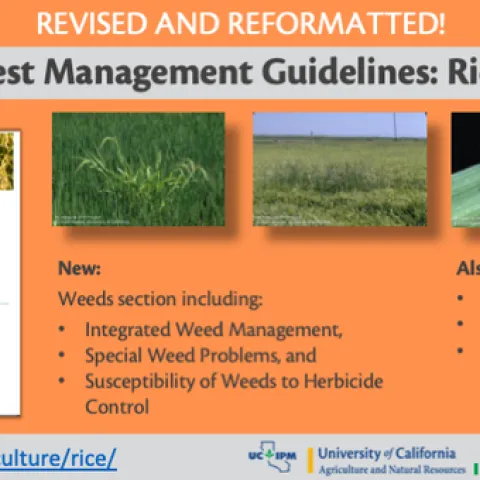
Weedy Rice Workshop A few thoughts on disease management for 2019 Weed Management 2019 Season Managing nitrogen fertilizer when the weather does not cooperate...
View Article
Napa Master Gardener Column: Article

The Colors of Spring.

June 10, 2019
By Corinne Yoshihara, UC Master Gardener of Napa County As I traveled through Napa Valley this spring, I made a special effort to note the progression of colors on trees lining my route. Color change (or the appearance of color) occurs every year, yet I never tire of it.
View Article
Topics in Subtropics: Article

A Great Bee Guy Dies

June 10, 2019
By Ben A Faber
Dr. Robbin Thorp: 1933-2019 Author: Kathy Keatley Garvey Published on: June 7, 2019 Dr. Robbin Thorp was the world authority on Franklin's bumble bee, pictured on his computer screen. (Photo by Kathy Keatley Garvey) Dr.
View Article
Primary Image
field id
Topics in Subtropics: Article

The Skinny on Avocado Pests and Diseases

June 10, 2019
By Ben A Faber
"A Field Day with Avocado Pest and Disease" was a program sponsored by: CA Avocado Society CA Avocado Commission University of CA Coop Extension And these are the handouts to highlight the talks given by: Jim Davis, Jane Delahoyde, Ben Faber, Enrico Ferro, Gabe Filipe, Anna Howell, Patricia Manosalv...
View Article
Master Food Preservers San Bernardino County: Article

Let's Keep It Safe Out There

June 10, 2019
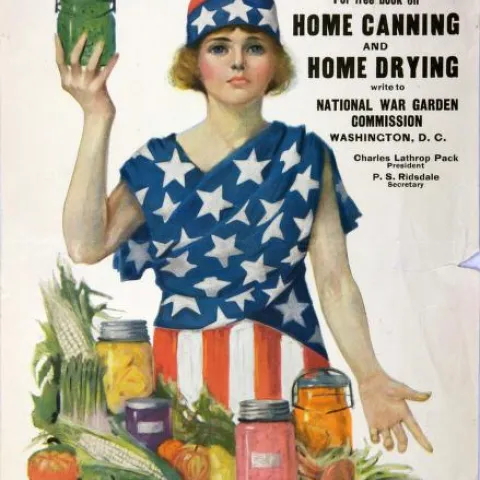
Canning season is almost upon us. Canning is easy. Canning is fun. Canning is simple. Canning is helpful. Canning is dangerous. Canning is dangerous? YES, canning is dangerous if you do not educate yourself and follow approved canning methods and recipes.
View Article
HOrT COCO-UC Master Gardener Program of Contra Costa: Article

Glyphosate (e.g., "Roundup") Use in Contra Costa Gardens

June 10, 2019
Help for the Home Gardener from the Help Desk of the UC Master Gardener Program of Contra Costa County Help Desk Request: I've just moved into my first house, and I would like to grow a moderate-sized vegetable garden in the back of the property.
View Article