A Natural Solution for California's Herds: African Catfish Peptides

California's cattle producers and agricultural communities are all too familiar with the rising challenge of antibiotic resistance, making common bacterial infections harder to treat in livestock. But imagine a future where we could tackle these infections with a natural, powerful alternative. Our research points to just that: antimicrobial peptides (AMPs) found in African catfish.

We're really excited about these peptides because African catfish thrive in pathogen-rich freshwater, naturally producing these robust immune compounds in their skin mucus as a defense. This natural origin makes them highly appealing alternatives to synthetic drugs.

Predicted Safety and Potent Action

One of the most compelling aspects of these AMPs is their predicted safety for mammals. Our initial computer analyses suggest that various catfish AMPs are generally recognized as safe (GRAS). We predict they'll be absorbed in the human intestine without causing liver, brain, or heart toxicity. Furthermore, lab tests on a promising peptide, NACAP-II, confirmed it was non-hemolytic, meaning it didn't damage rabbit red blood cells—a strong indicator of its potential safety for mammalian cells.

Beyond safety, these peptides demonstrate effectiveness against problematic bacteria. One study revealed NACAP-II's strong activity against Extended-Spectrum Beta-Lactamase (ESBL)-producing Escherichia coli—a critical concern for both animal and human health due to its resistance to many common antibiotics. Another peptide, ACAP-IV, also showed antibacterial activity against E. coli and Staphylococcus aureus. We believe these AMPs work by directly disrupting bacterial cell membranes, a mechanism that makes it harder for bacteria to develop resistance compared to how they resist traditional antibiotics.

Primary Image
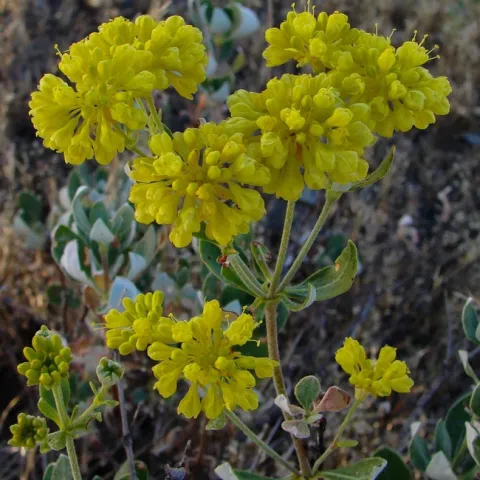
Invasive species threaten California's landscapes.
Green Blog: Article

Invasive species threaten California’s economy and ecology

May 31, 2019
By Jeannette Warnert
When insects, weeds, animals and diseases enter California from elsewhere in the nation or world, they can cause economic losses to agricultural crops and ecological damage to the state's natural areas. Ultimately, invasive species affect every resident of California.
View Article
Primary Image
UC ANR teams with other universities, government agencies, non-profit organizations, landowners and California residents in the fight to prevent, eradicate or control invasive species.
Green Blog: Article

A team approach is key to conquering invasive species

May 31, 2019
By Jeannette Warnert
The UC Integrated Pest Management Program and the Center for Invasive Species Research are two UC Agriculture and Natural Resources programs that monitor invasive species and coordinate responses when they become established in the state.
View Article
Stanislaus County: Article

Evapotranspiration Report - 05/30/2019

May 31, 2019
Hello all, Please find the attached document to provide the previous weeks estimated water use report in terms of evapotranspiration for almonds, peaches, walnuts, established vineyard, alfalfa, and pasture in Stanislaus County.
View Article
Web / IT News: Article

Important Security Upgrade for Windows 7 and XP

May 31, 2019
Earlier this month, Microsoft released a security update for computers running older version of Windows (7 and XP primarily). Researchers recently discovered a vulnerability that allows attackers to infiltrate and gain control of un-patched computers.
View Article
Primary Image
1-up Jun19 flyer revised
Master Food Preservers San Bernardino County: Article

Class: HANDS-ON EUROPEAN VACATION

May 31, 2019
Here it is! Our next Public class: Hands-On European Vacation. Please NOTE: New LOCATION! - Highland Branch Library, 7863 Central Ave., Highland, CA 92346. Save your spot now. Please NOTE: New LOCATION! - Highland Branch Library, 7863 Central Ave., Highland, CA 92346.
View Article
Primary Image
Weeds in a field following rain events
Notes in the Margins: Agronomy and Weed Science Musings: Article

Wet Weather and Weeds

May 31, 2019
The recent rain events in California have complicated crop production activities for many growers including delayed planting or harvesting and altered pest management activities (including weed control).
View Article
Primary Image
Photo by Leslie E. Stevens
UC Master Gardeners- Diggin' it in SLO: Article

Scabiosa

May 31, 2019
Scabiosa By Leslie E.
View Article