A Natural Solution for California's Herds: African Catfish Peptides

California's cattle producers and agricultural communities are all too familiar with the rising challenge of antibiotic resistance, making common bacterial infections harder to treat in livestock. But imagine a future where we could tackle these infections with a natural, powerful alternative. Our research points to just that: antimicrobial peptides (AMPs) found in African catfish.

We're really excited about these peptides because African catfish thrive in pathogen-rich freshwater, naturally producing these robust immune compounds in their skin mucus as a defense. This natural origin makes them highly appealing alternatives to synthetic drugs.

Predicted Safety and Potent Action

One of the most compelling aspects of these AMPs is their predicted safety for mammals. Our initial computer analyses suggest that various catfish AMPs are generally recognized as safe (GRAS). We predict they'll be absorbed in the human intestine without causing liver, brain, or heart toxicity. Furthermore, lab tests on a promising peptide, NACAP-II, confirmed it was non-hemolytic, meaning it didn't damage rabbit red blood cells—a strong indicator of its potential safety for mammalian cells.

Beyond safety, these peptides demonstrate effectiveness against problematic bacteria. One study revealed NACAP-II's strong activity against Extended-Spectrum Beta-Lactamase (ESBL)-producing Escherichia coli—a critical concern for both animal and human health due to its resistance to many common antibiotics. Another peptide, ACAP-IV, also showed antibacterial activity against E. coli and Staphylococcus aureus. We believe these AMPs work by directly disrupting bacterial cell membranes, a mechanism that makes it harder for bacteria to develop resistance compared to how they resist traditional antibiotics.
Primary Image
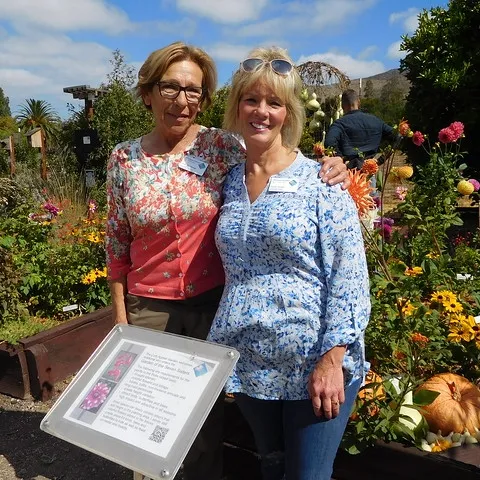
California Naturalist volunteers share their passion for the natural world with Californians.
Healthy Communities Blog: Article

April is National Volunteer Month: UC ANR honors its volunteers

April 9, 2019
By Jeannette Warnert
The UC 4-H Youth Development Program, UC Master Gardeners, UC Master Food Preservers and the California Naturalists are parts of UC Agriculture and Natural Resources (UC ANR) that rely on the generous contributions of time and talent by thousands of volunteers.
View Article
Primary Image
cardinal
Under the Solano Sun: Article

Fun Read

April 9, 2019
Steve's dad has had some problems with his foot that has slowed him down a bit. One day while I was with him, we were talking about what I should write for my next blog. He had been looking at mail that was piled up and showed me a couple of issues of the magazine pictured below.
View Article
Lake County: Article

April 2019

April 9, 2019
4-H Summer Camp Registration now open!, Kiwanis Pancake Breakfast Information - TIME TO SELL TICKETS!!, State Leadership Conf. Info, Shooting Sports Training Info, Alexander Scholarship Application now available!, Seeking Council Treasurer Nominations, Jr.
View Article
Primary Image
Convergent Lady Beetle Adult (Credit: Jack Kelly Clark)
Pests in the Urban Landscape: Article

Visit UC IPM at Picnic Day 2019!

April 9, 2019
This Saturday, April 13th, is the annual Picnic Day celebration at UC Davis. Join the UC Statewide IPM Program from 9am to 3pm at the entomology building Briggs Hall on the UC Davis campus.
View Article
Monterey County: Article

April 2019

April 9, 2019
UPCOMING MEETING EVENTS: Thursday, April 18, 2019 - Honoring Larry Williams May 8-9, 2019 - Integrated vineyard management short course May 22-23, 2019 -UC Davis Wine Grape Irrigation Short Course...
View Article
Central Sierra Livestock & Natural Resources: Article

April 2019

April 9, 2019
In this issue: Thinking About Hiring a Targeted Grazing Contractor?
View Article