A Natural Solution for California's Herds: African Catfish Peptides

California's cattle producers and agricultural communities are all too familiar with the rising challenge of antibiotic resistance, making common bacterial infections harder to treat in livestock. But imagine a future where we could tackle these infections with a natural, powerful alternative. Our research points to just that: antimicrobial peptides (AMPs) found in African catfish.

We're really excited about these peptides because African catfish thrive in pathogen-rich freshwater, naturally producing these robust immune compounds in their skin mucus as a defense. This natural origin makes them highly appealing alternatives to synthetic drugs.

Predicted Safety and Potent Action

One of the most compelling aspects of these AMPs is their predicted safety for mammals. Our initial computer analyses suggest that various catfish AMPs are generally recognized as safe (GRAS). We predict they'll be absorbed in the human intestine without causing liver, brain, or heart toxicity. Furthermore, lab tests on a promising peptide, NACAP-II, confirmed it was non-hemolytic, meaning it didn't damage rabbit red blood cells—a strong indicator of its potential safety for mammalian cells.

Beyond safety, these peptides demonstrate effectiveness against problematic bacteria. One study revealed NACAP-II's strong activity against Extended-Spectrum Beta-Lactamase (ESBL)-producing Escherichia coli—a critical concern for both animal and human health due to its resistance to many common antibiotics. Another peptide, ACAP-IV, also showed antibacterial activity against E. coli and Staphylococcus aureus. We believe these AMPs work by directly disrupting bacterial cell membranes, a mechanism that makes it harder for bacteria to develop resistance compared to how they resist traditional antibiotics.
Primary Image
avocado thinning canopy

Distinguishing Between Drought and Avocado Root Rot

February 11, 2019
By Ben A Faber
We recently had a series of workshops on Avocado Root Rot and how to manage it. A common question was how to figure out whether the tree was diseased or just stressed from lack of water or from an accumulation of salts that is also a reflection of how water is being managed.
View Article
Primary Image
garden compost pile
HOrT COCO-UC Master Gardener Program of Contra Costa: Article

Compost Pile Not Heating Up?

February 11, 2019
Advice for the Home Gardener from the Help Desk of the UC Master Gardener of Contra Costa County Client's Request: I'm trying to implement an ongoing compost pile to sustain my backyard vegetable garden. However, my compost pile isn't getting hot.
View Article
ANR Adventures: Article

Telling fortunes

February 10, 2019
By Wendy Powers
Weekends go by quickly! I didn't accomplish much, but I didn't try very hard. Instead, I took to heart the words of a fortune cookie I had while in Mexico a couple of weeks ago. The fortune encouraged me to "Relax and Enjoy Yourself.
View Article
Colusa County: Article

Second Saturday at the Library

February 8, 2019
Join us on Saturday February 9th for our first in a series of lectures and hands on activities at the Second Saturday at the Library.
View Article
Extensión Cooperativa del Condado de Monterey: Article

¡BIENVENIDOS!

February 8, 2019
By Maria E De La Fuente
Me da mucho gusto darles la bienvenida a esta manera nica de llegar a aquellos cuya primera lengua no es el Ingls y que prefieren recibir comunicados en Espaol.
View Article
Primary Image
Ernesto Sandoval, collections manager for the UC Davis Botanical Conservatory, checks out the cacao tree, aka "chocolate tree." (Photo by Kathy Keatley Garvey)
Bug Squad: Article

If You Like Chocolate, Thank the Midges!

February 8, 2019
By Kathy Keatley Garvey
If you like chocolate, thank the midges. These tiny flies (about 1 to 3mm) pollinate the intricate flowers of the cacao tree, Theobroma cacao. From those seed pods, known as cocoa beans, come the chocolate that we crave. In fact, we Americans consume 2.
View Article
Primary Image
butterfly

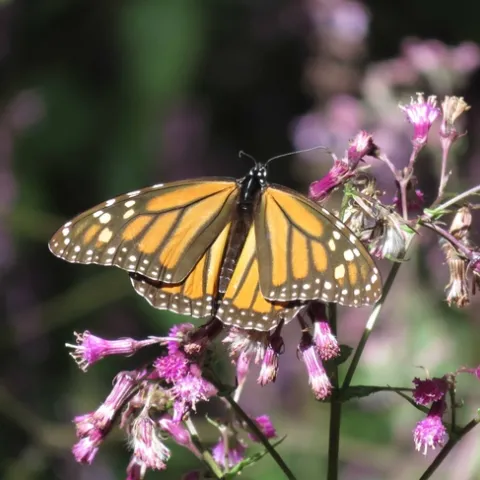
Monarch Butterfly Funding Available

February 8, 2019
By Ben A Faber
CONTACT: Anita Brown (530) 792-5644 Assistance Available for California Producers to Aid Declining Monarch Butterfly USDA Helps Producers Manage for Habitat, Improve Ag Operations DAVIS, Calif., Jan.
View Article
Nut Crops: Article

SWEEP Training Opportunity

February 8, 2019
Apply for CDFA funding- State Water efficiency and Enhancement Program (SWEEP) and Healthy Soils Program (HSP). Receive up to $100,000 in grant funding to improve your on-farm water and energy efficiency and healthy soil practices through the grant funding programs.
View Article