A Natural Solution for California's Herds: African Catfish Peptides

California's cattle producers and agricultural communities are all too familiar with the rising challenge of antibiotic resistance, making common bacterial infections harder to treat in livestock. But imagine a future where we could tackle these infections with a natural, powerful alternative. Our research points to just that: antimicrobial peptides (AMPs) found in African catfish.

We're really excited about these peptides because African catfish thrive in pathogen-rich freshwater, naturally producing these robust immune compounds in their skin mucus as a defense. This natural origin makes them highly appealing alternatives to synthetic drugs.

Predicted Safety and Potent Action

One of the most compelling aspects of these AMPs is their predicted safety for mammals. Our initial computer analyses suggest that various catfish AMPs are generally recognized as safe (GRAS). We predict they'll be absorbed in the human intestine without causing liver, brain, or heart toxicity. Furthermore, lab tests on a promising peptide, NACAP-II, confirmed it was non-hemolytic, meaning it didn't damage rabbit red blood cells—a strong indicator of its potential safety for mammalian cells.

Beyond safety, these peptides demonstrate effectiveness against problematic bacteria. One study revealed NACAP-II's strong activity against Extended-Spectrum Beta-Lactamase (ESBL)-producing Escherichia coli—a critical concern for both animal and human health due to its resistance to many common antibiotics. Another peptide, ACAP-IV, also showed antibacterial activity against E. coli and Staphylococcus aureus. We believe these AMPs work by directly disrupting bacterial cell membranes, a mechanism that makes it harder for bacteria to develop resistance compared to how they resist traditional antibiotics.

Primary Image
IMG 1905
Community Pest News: Article

Weeds in Landscapes Pest Notes updated

October 10, 2018
By Karey Windbiel-Rojas
Controlling weeds can be challenging, but UC IPM provides many resources to help home gardeners and landscape professionals.
View Article
Primary Image
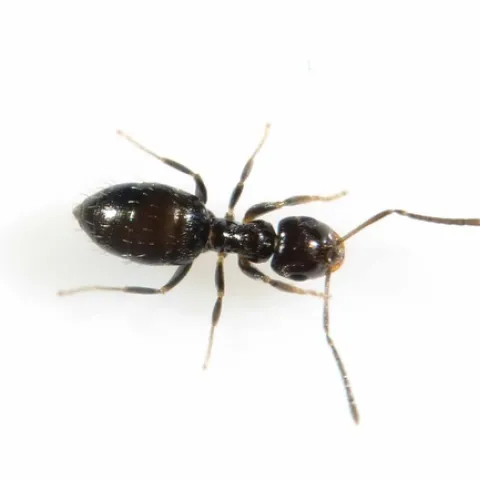
Figure 1. Dark rover ant worker. (Credit: Siavash Taravati, UC IPM)

Dark Rover Ant: Current Status in California

October 10, 2018
By Siavash Taravati
[From the Fall 2018 issue of UC IPM's Green Bulletin newsletter] The dark rover ant (Brachymyrmex patagonicus) is an invasive species which is increasingly being noticed in Southern California. It is a nuisance species that invades structures as both workers and winged (alate) individuals.
View Article
Primary Image
avocado fruit hot
Topics in Subtropics: Article

Hot Avocados Dont Ripen Right

October 10, 2018
By Ben A Faber
California avocados often are exposed to high temperatures after harvest, either in the field or during preconditioning (ethylene treatment), especially in summer.
View Article
Primary Image
An anise swallowtail, Papilio zelicaon, sets the scene in the Kate Frey Pollinator Garden at Sonoma Cornerstone. (Photo by Kathy Keatley Garvey)
Bug Squad: Article

Buy a Plant and the Pollinators Are Free!

October 9, 2018
By Kathy Keatley Garvey
When you head over to a nursery, and see bees and butterflies and other pollinators foraging on the plants, that's a good sign. Buy the plants. Promise: The pollinators will come.
View Article
AsisTel: Article

Why families should live actively

October 9, 2018
By Jeannette Warnert
There are important reasons why people of all ages need physical activity for good health. Physical activity is any body movement that uses energy. It includes not only sports and exercise classes, but also daily activities such as house or yard work and walking.
View Article
AsisTel: Article

Why are the poor more likely to be overweight?

October 9, 2018
By Jeannette Warnert
On the surface, it doesn't seem logical. But research has confirmed that the lower the income and the more often a family doesn't have enough to eat, the more likely it is the adults and children are or will become overweight.
View Article
AsisTel: Article

What communities can do

October 9, 2018
By Jeannette Warnert
Childhood obesity is increasing, and experts have suggested that this is due in part to changes in our environment. Cities and towns are not being designed for walking to stores or to schools.
View Article